
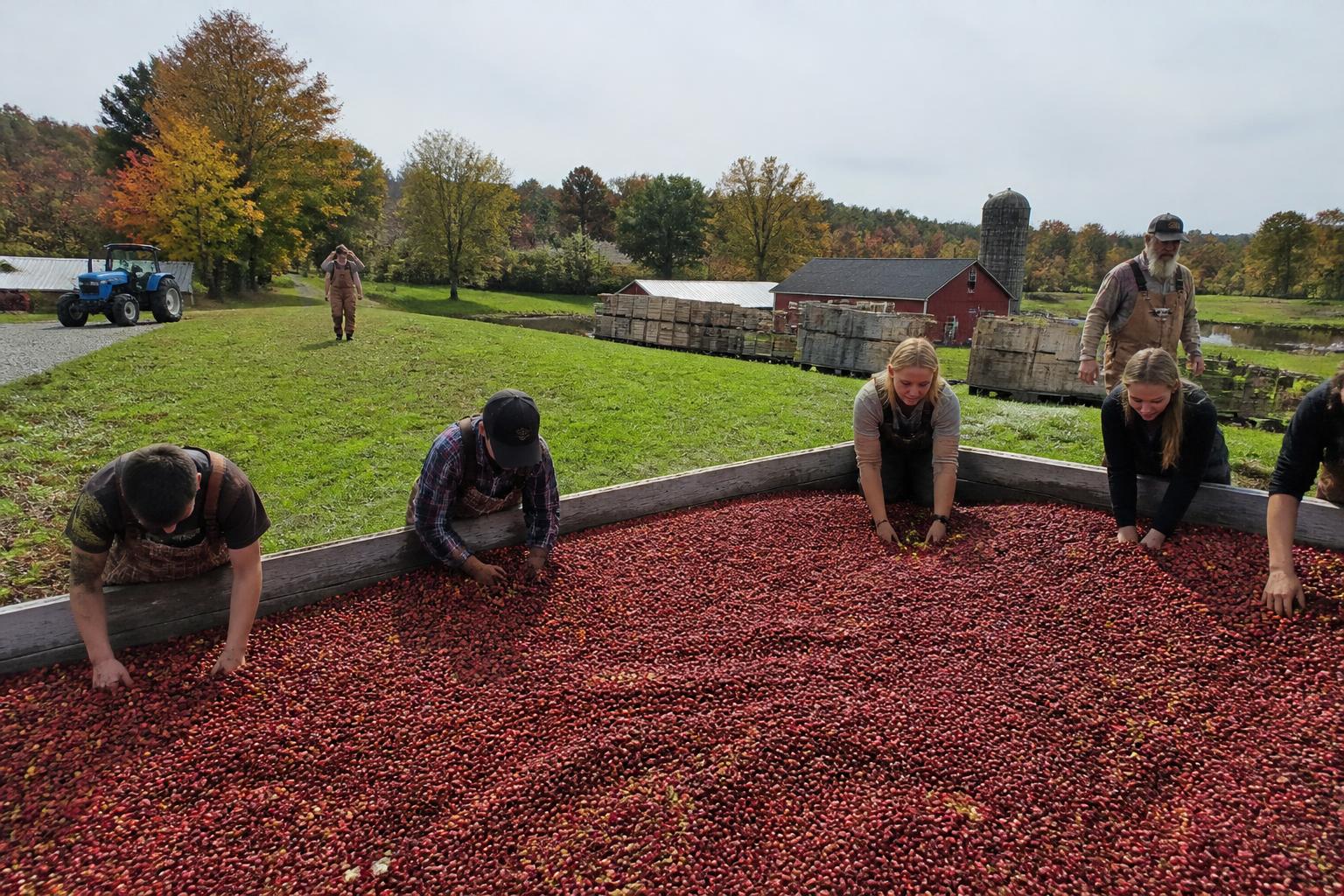
As the fall harvest season winds down across New Jersey, agricultural operators are shifting their focus from field-level logistics to long-term capital investments. For many producers in the Garden State, the end of the year typically serves as a crucial window for evaluating equipment efficiency, assessing soil health, and planning infrastructure updates that can mitigate the volatility of regional weather patterns.
Precision farming remains a key area of interest for local agribusinesses looking to optimize input costs. Discussions around the adoption of agricultural spraying drones and advanced fertilizer applications suggest a growing emphasis on high-tech solutions. These tools, when implemented alongside sustainable field practices, can help growers manage tight margins and improve crop consistency, which is vital for protecting long-term yields in increasingly unpredictable growing seasons.
Infrastructure and Modernization Trends
Investment in storage and processing infrastructure is also gaining momentum. The ongoing demand for modernized steel building systems and improved storage capacity indicates that farmers are preparing for potential shifts in market access and supply chain logistics. Whether managing perennial crops like cranberries or diversifying into educational and community-facing operations, producers are clearly prioritizing durability and adaptability.
In many coastal and inland farming corridors, balancing these technological advancements with traditional farming practices is helping to maintain the resilience of the local industry. Managing these seasonal realities effectively requires a forward-looking approach to both resource management and facility maintenance.
Integrating Science and Market Strategy
Research continues to play a pivotal role in New Jersey agriculture, particularly with regional institutions focused on developing superior berry varieties and improving nutrient use efficiency. As market conditions fluctuate, staying abreast of these technical developments provides producers with a competitive edge. Navigating the transition from a busy harvest into the winter planning cycle is an ideal time for stakeholders to integrate these data-driven strategies into their upcoming operational budgets.
What it means for the market: Producers should view current investments in precision technology and facility infrastructure as essential steps to navigate potential supply chain pressures. While the immediate harvest pressures are subsiding, the focus on technical efficiency and resilient crop management will likely be the primary driver of profitability throughout the winter months.
Comments
No comments yet - be the first to share your take.