
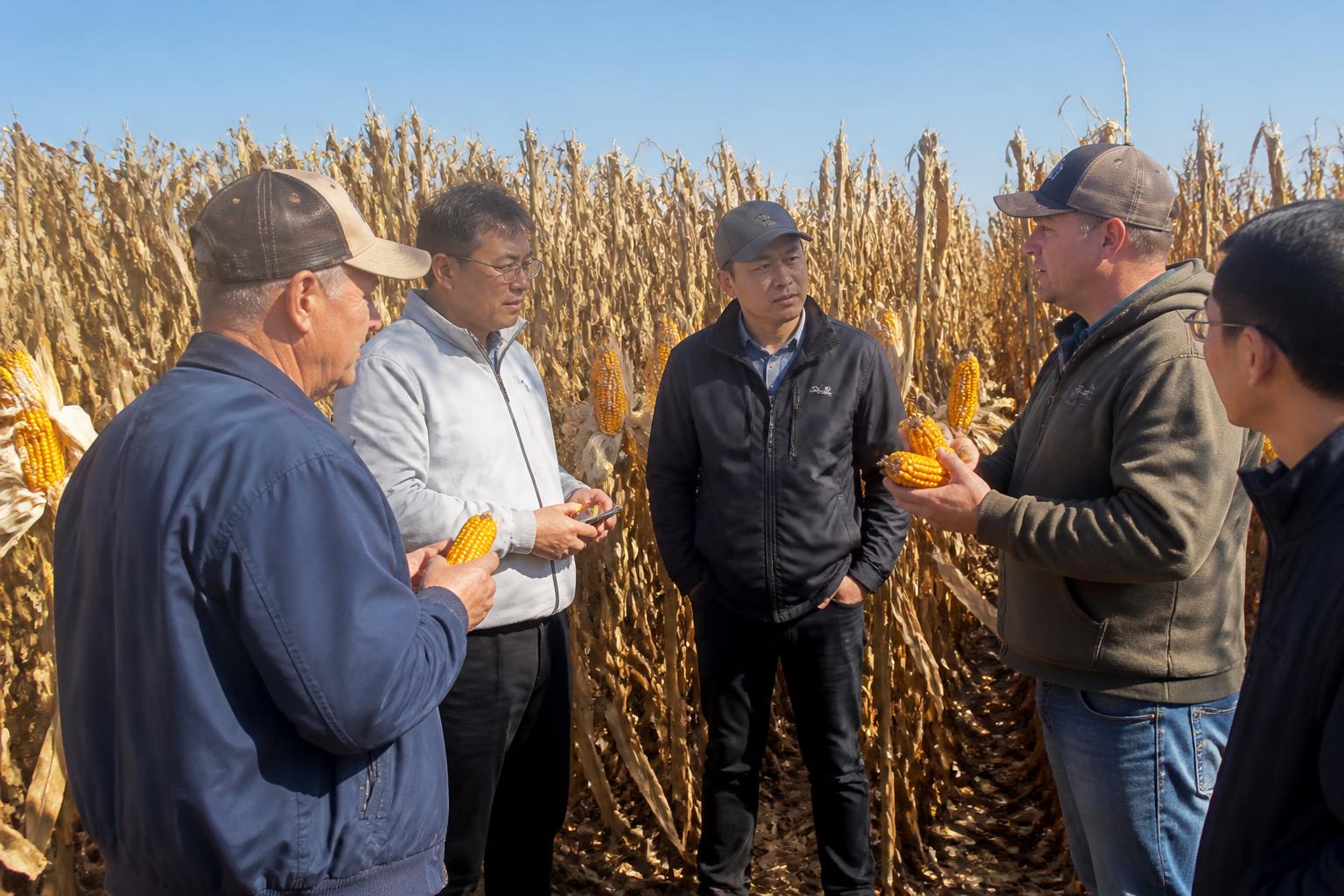
With the Ohio harvest season now in its final stages, the focus for many agribusinesses and producers has shifted toward securing end-of-year yields and preparing for the upcoming cycle. Managing the logistics of crop movement during this period requires a keen eye on storage capacity and the realities of rural transportation networks across the state.
For those still finalizing their field operations, maintaining grain security and operational oversight remains critical to preserving quality during transport to regional elevators. Proper facility management and timely coordination with local carriers can help mitigate the pressures often seen when regional infrastructure reaches peak capacity.
Evaluating Input and Infrastructure Risks
As growers look ahead, the fertilizer market presents a mixed outlook for 2026. Input buyers are urged to balance current cost concerns with agronomic necessity, particularly as discussions surrounding soil health and the efficiency of starter fertilizers continue to evolve. Effective management of late-season harvest risks should incorporate a realistic view of future input costs, which are frequently influenced by broader shifts in global fuel and commodity pricing.
Strengthening Regional Market Ties
The resilience of Ohio agriculture is supported by diverse market access, from local processing facilities to international trade pathways. Strengthening these connections is essential for long-term stability. As producers monitor market shifts, understanding the role of trade agreements and domestic support programs can provide a necessary buffer against volatility. Furthermore, exploring opportunities in renewable energy and waste-to-fuel initiatives may offer additional revenue streams for operations seeking to diversify their footprint.
Key Takeaways:
- Prioritize on-farm grain security and storage maintenance as late-harvest volumes are processed.
- Evaluate 2026 fertilizer strategies based on regional price trends rather than relying solely on past input patterns.
- Leverage available conservation and safety net programs to help stabilize margins during periods of market fluctuation.
What it means for the market
The current market environment in Ohio underscores the need for proactive logistics and cautious fiscal planning. As the harvest concludes, those who prioritize efficient grain handling and strategic input procurement are better positioned to navigate the transition into the next production year. By staying informed on infrastructure developments and local market signals, participants can better shield their bottom lines from the uncertainties inherent in the agricultural supply chain.
Comments
No comments yet - be the first to share your take.