
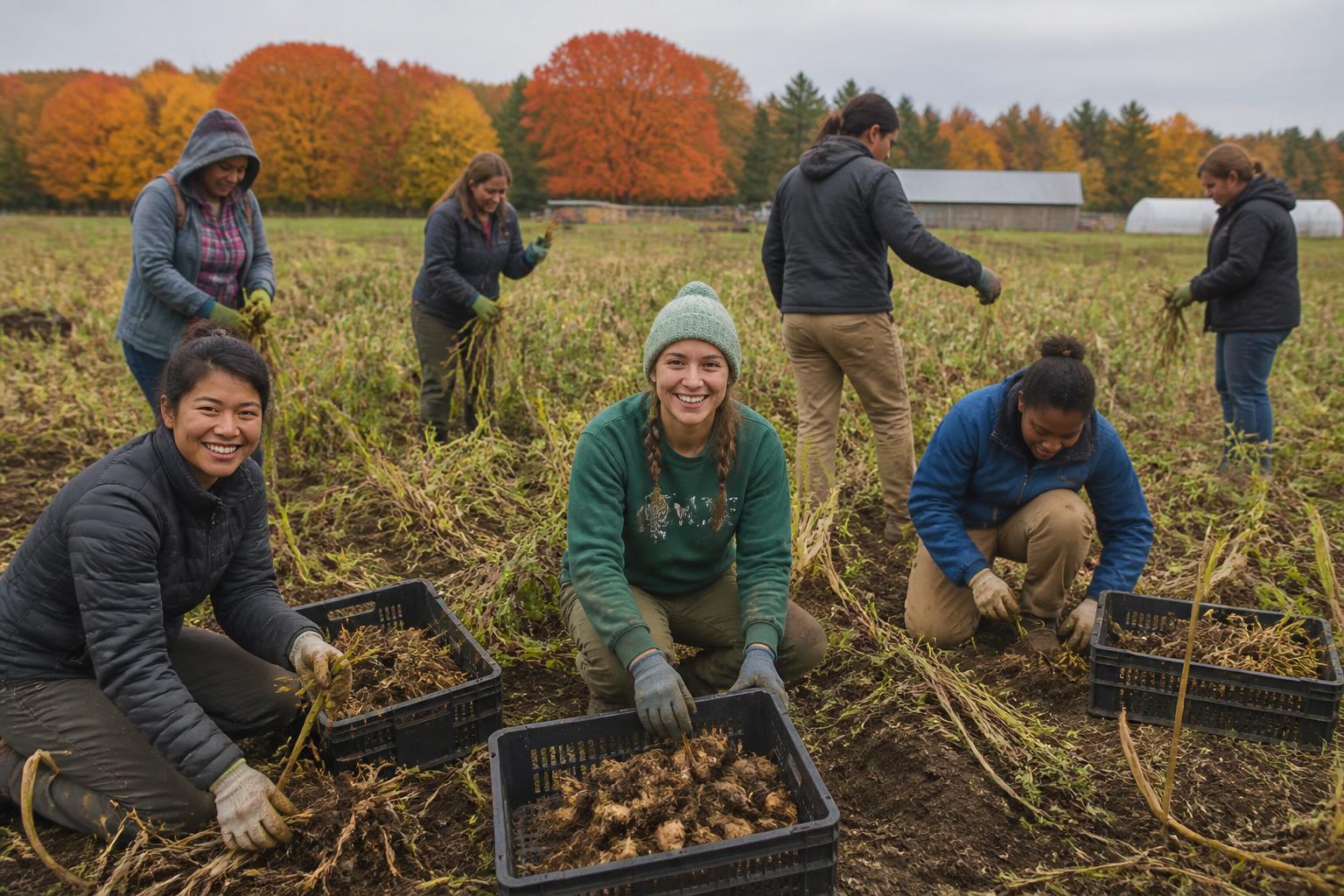
With the harvest season well underway across Mississippi, growers and ag retailers are turning their focus toward nutrient management strategies for the upcoming cycle. Fall application windows often present a critical opportunity for farmers in the Delta to manage workload before the busy spring planting rush, though soil moisture levels and local weather patterns remain the primary variables for decision-making this month.
Effective planning at this stage can help mitigate some of the supply chain pressure that producers often encounter during peak demand. Managing input inventory is a priority for many operations aiming to secure necessary supplies while navigating current regional logistics. For those reviewing their supply requirements, understanding broader Mississippi fertilizer trends remains essential to balancing cost and availability.
Optimizing Logistics and Storage
For grain handlers and input suppliers, November is a time to monitor river and rail infrastructure closely. Ensuring that fertilizer deliveries align with field accessibility can save significant time and resources. In many parts of Mississippi, farmers typically coordinate with local cooperatives to stage inputs near regional transport corridors, which may help minimize downtime when weather conditions turn favorable for application.
Sustainability and Soil Health
As the state moves toward cooler temperatures, focusing on proper soil nutrient placement is vital for long-term farm productivity. Incorporating organic matter and managing fertilizer runoff are recurring themes for Mississippi producers looking to balance operational efficiency with stewardship goals. Utilizing split-application strategies where appropriate often helps maximize the efficacy of nitrogen and phosphorus inputs, even as soil conditions vary from county to county.
Key Takeaways
- Monitor soil temperatures closely to ensure optimal timing for fall nutrient applications.
- Consult with local agronomists to align product choices with specific soil test results from the past season.
- Review storage capacity and early-delivery options to hedge against potential spring shipping delays.
What it means for the market
Market stability in Mississippi depends heavily on the successful movement of inputs during the late fall window. By prioritizing early procurement and maintaining strong communication with logistics partners, farmers and agribusinesses can position themselves to manage seasonal volatility effectively, ensuring they are prepared when the next planting cycle begins.
Comments
No comments yet - be the first to share your take.