
The agricultural sector in Georgia is entering a period of transition as the state navigates the outcomes of recent midterm elections and evolving federal guidelines. With the dust settling on leadership roles within state agricultural departments, producers are assessing how new administrative directions might influence local policy and support mechanisms. Understanding these changes is essential for protecting late-season yields and securing long-term operational viability as we move into the winter months.
Policy Shifts and Tax Impacts
Recent notifications from federal agencies, including the IRS regarding clean fuel tax credits, are increasingly dictating the pace of regional agricultural strategy. These credits represent a significant consideration for growers and biofuel-linked supply chains across the state. As agribusinesses analyze their bottom lines, aligning local production practices with federal incentives remains a top priority for navigating current economic pressures.
Conservation and Land Use
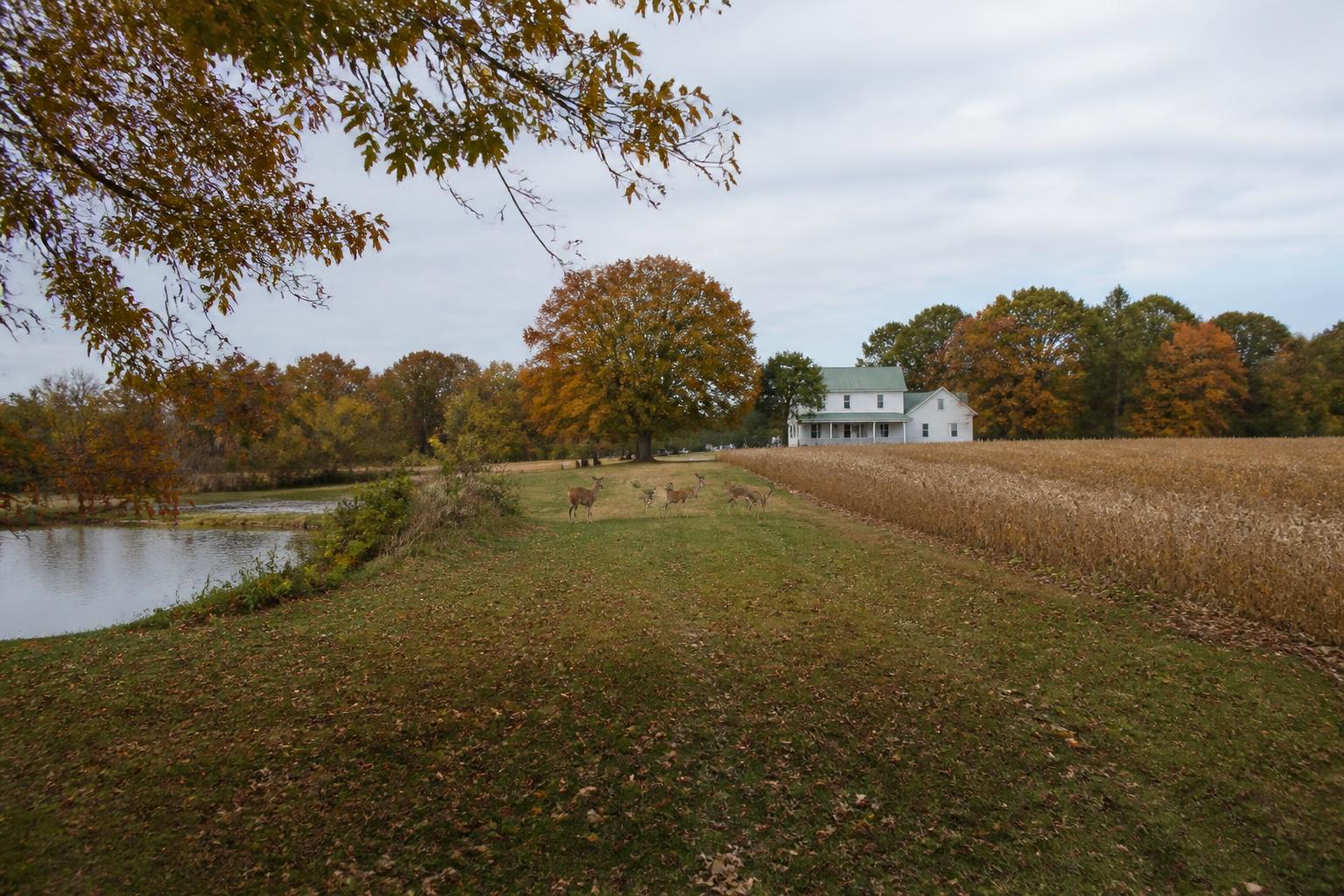
Beyond policy and production, the conversation surrounding land preservation continues to evolve. Recent initiatives involving high-profile family farms in Georgia shifting toward conservation and wildlife management highlight an increasing focus on land stewardship. For many in the industry, this signals a broader trend where agricultural land management balances commodity production with long-term ecological sustainability, a factor that may influence land values and future agricultural development strategies in regional corridors.
What it means for the market
For Georgia farmers and logistics providers, the combination of administrative changes and ongoing infrastructure demands suggests a need for increased operational flexibility. As we close out the current harvest season, tracking how new state-level leadership interacts with federal tax and environmental policy will be critical for input procurement and resource planning heading into the next planting cycle.
Comments
No comments yet - be the first to share your take.