
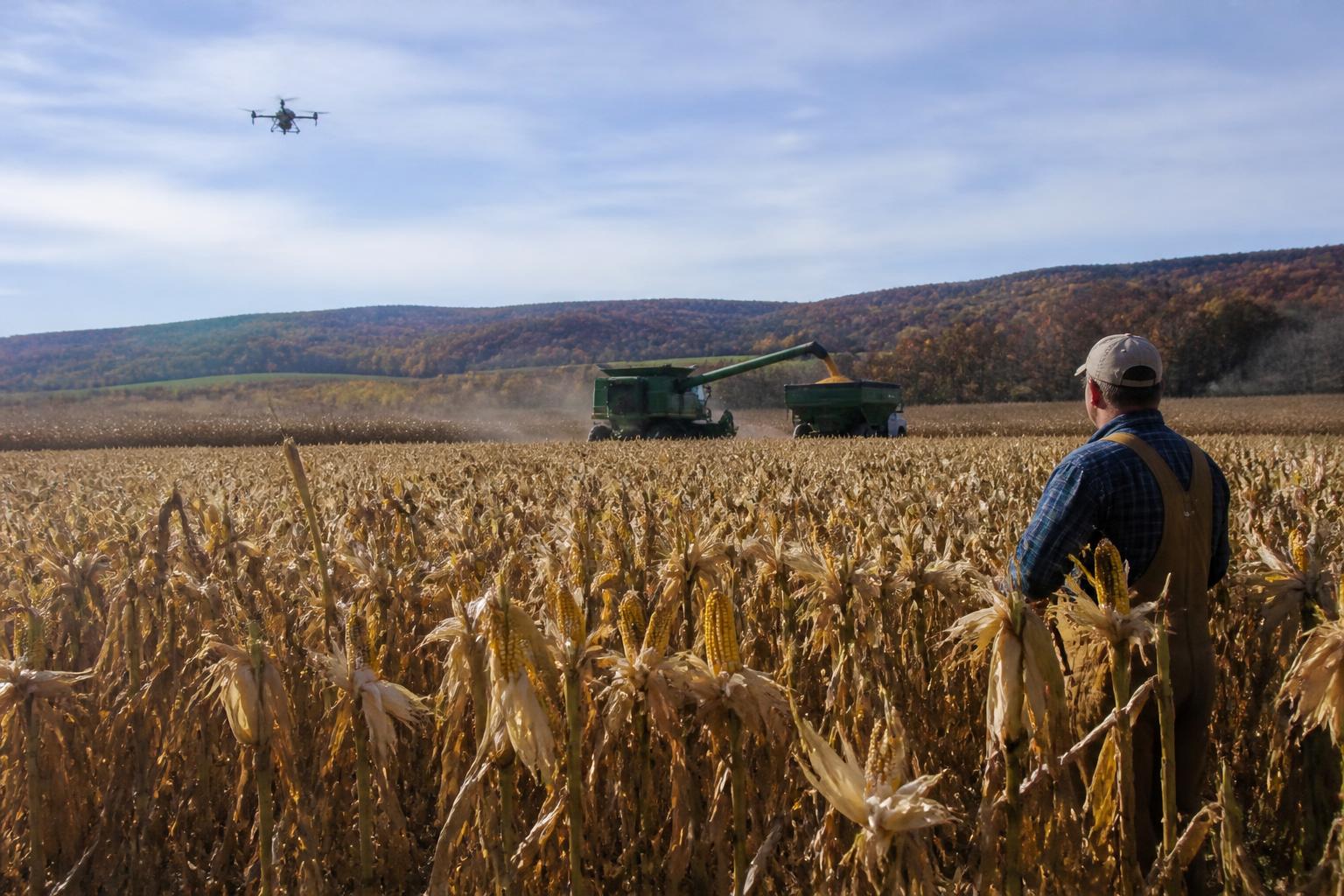
As Texas moves through the fall season, the agricultural sector is managing a complex landscape of biosecurity challenges and evolving pest control needs. While producers focus on harvest activities and seasonal preparations, reports of rising screwworm infestations across several regions have prompted renewed attention toward livestock health and monitoring protocols. Managing these risks remains a critical component for maintaining herd integrity and minimizing potential production losses.
Targeting Pest Pressures
Statewide initiatives continue to address the impact of feral hog populations on farmland. In nine targeted counties, ongoing projects aim to mitigate the damage caused by these animals to pastures and crop yields. This work is part of a broader effort to provide effective strategies for protecting profit margins through proactive field health management. By limiting the destructive footprint of invasive species, producers can often stabilize input requirements and protect seasonal investments.
Advancing Herd Health and Surveillance
The rise in screwworm cases, extending into neighboring states, has mobilized research institutions like Texas A&M to conduct extensive genetic studies. These efforts are essential for developing long-term control strategies that can protect the state's livestock industry. For those managing mixed-use operations or large grazing tracts, the current environment underscores the necessity of consistent herd inspection and the adoption of modern diagnostic tools.
As technology becomes more integrated into daily operations, producers are increasingly utilizing drones and advanced imaging to monitor livestock health and track pest activity. These tools can offer significant advantages in scouting large or rugged terrain, helping operators identify issues before they escalate.
What it means for the market
Producers should account for the indirect costs associated with increased monitoring and pest control as they close out the year. While these biological challenges can pressure operating budgets, they also present an opportunity to invest in infrastructure that boosts long-term resilience. Staying informed on statewide infrastructure developments remains vital for those looking to optimize their logistics and storage as they transition into the winter months.
Comments
No comments yet - be the first to share your take.