
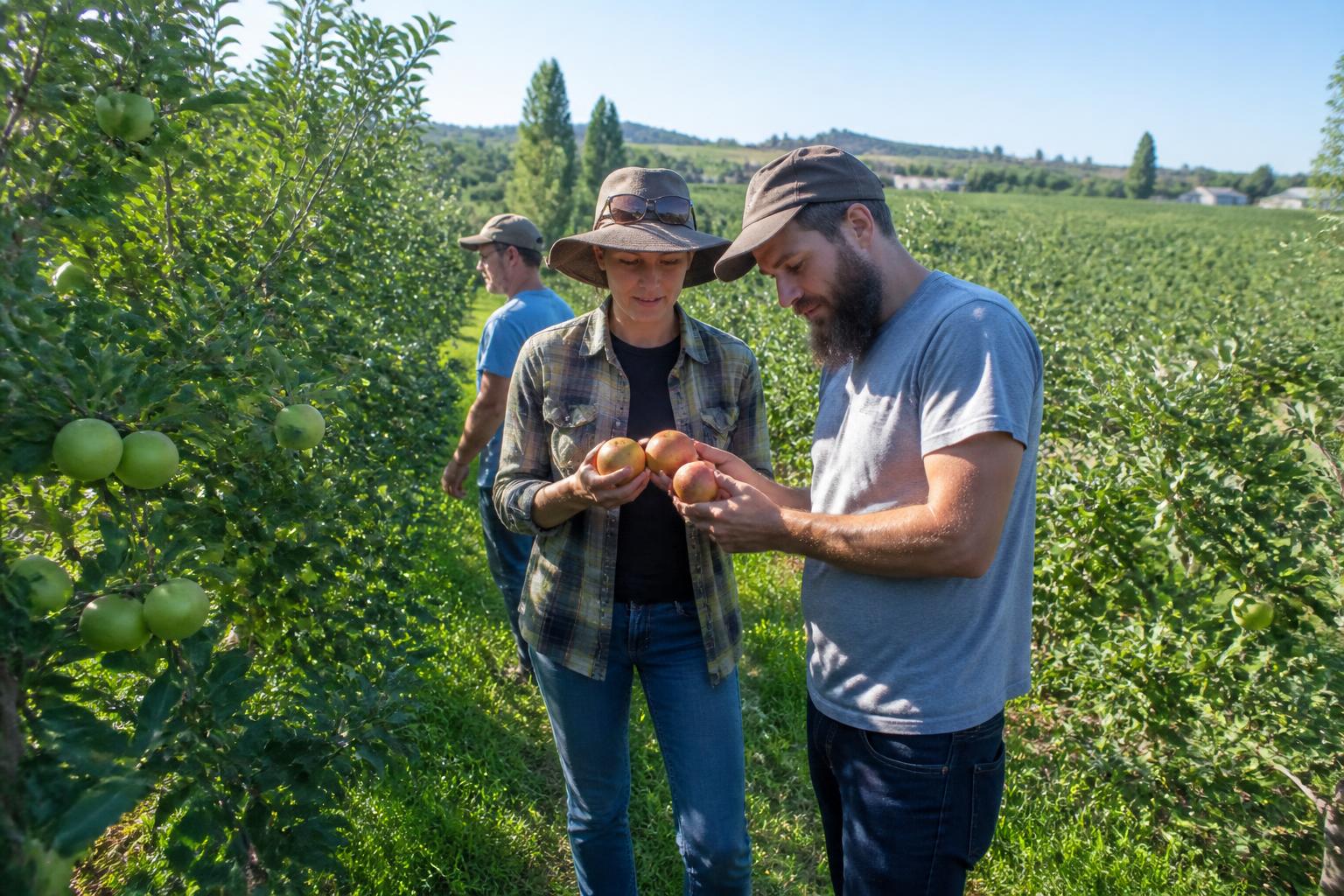
As the summer heat settles over the Yakima Valley and the Columbia Basin, Washington agricultural producers are navigating a complex mix of regulatory updates, market investigations, and agronomic innovations. From the fruit orchards of North Central Washington to the dryland grain fields of the Palouse, managing operational costs and securing stable export channels remain the top priorities for agribusinesses this season.
Federal Input Probes and Agronomic Alternatives
Growers across Washington are watching federal regulators closely as the U.S. Federal Trade Commission (FTC) investigates rising fertilizer prices. Sustained high nutrient costs have squeezed farm-gate margins, forcing operations to seek alternative strategies. To combat these pressures, more producers are turning to biological soil amendments. Research highlights how specific soil microbes can unlock legacy phosphorus bound in the soil, making it available for crop uptake without requiring heavy commercial fertilizer applications.
This biological shift comes at a critical time when local growers are actively navigating fertilizer margin pressures to keep their summer production profitable ahead of the fall application season.
Orchard Innovation and Specialty Crop Protections
In the tree fruit sector, Washington orchardists are continuing to diversify their portfolios to capture consumer interest and premium pricing. Growers are betting on a new apple variety, investing in replanting programs to secure long-term market share. To support these capital-intensive investments, the USDA has introduced new protections and programs for specialty crop growers, providing a vital financial safety net for the state's highly valued fruit, vegetable, and nursery operations.
However, getting these premium crops to market remains a challenge. Regional growers and packers are still handling supply chain bottlenecks, with shippers looking for more predictable access to refrigerated containers and domestic rail lines.
Logistics Obstacles and Zero-Emission Mandates
Ocean freight logistics continue to present a mixed bag for Pacific Northwest exporters. Many agricultural shipping groups report ongoing struggles with ocean carrier reliability and service levels at major West Coast hubs. These issues complicate export planning for Washington's trade-dependent agricultural sectors.
Adding to the state's unique operational environment, Washington launched its new zero-emission vehicle program in April. This program is expected to gradually influence the regional commercial hauling and short-haul drayage fleets that service agricultural packing facilities and ports. Navigating these transitioning transport fleets will require close coordination and continued monitoring of regional freight infrastructure adjustments over the coming years.
What it means for the market
Washington's agricultural sector is heading into the core of the summer season with a strong focus on cost containment and transport logistics. While federal oversight of fertilizer pricing and new USDA specialty crop protections offer some reassurance, growers must remain agile. Embracing biological nutrient options, preparing for long-term transport emission rules, and securing reliable shipping slots early will be critical for protecting regional farm margins in the months ahead.
Comments
No comments yet - be the first to share your take.