
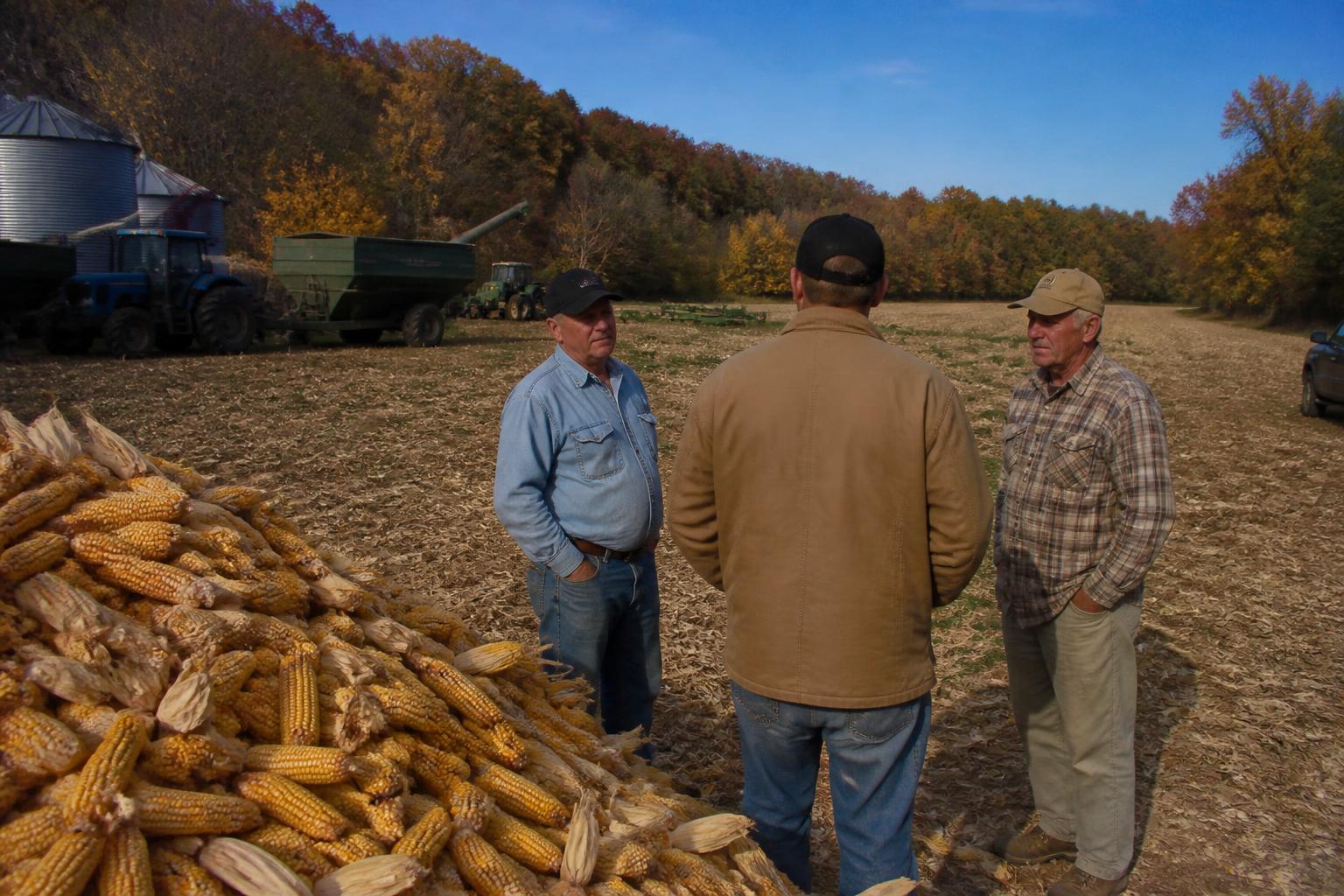
With the fall harvest moving toward completion across Alabama, agricultural producers are turning their attention to year-end financial planning and risk management. Despite favorable yield reports in many areas, the combination of elevated input costs and persistent market price uncertainty remains a significant challenge for local operations. Navigating these economic pressures requires a proactive approach to farm policy engagement and financial preparedness.
Educational resources are currently available to assist farmers in understanding safety nets that may mitigate these financial hurdles. For instance, guidance on Agricultural Risk Coverage (ARC) is being prioritized to ensure producers can make informed decisions regarding their field-level risk management strategies as they transition into the off-season. Understanding the nuances of federal support programs is often a critical step for farm managers looking to stabilize their balance sheets against unforeseen market swings.
Managing Operational Volatility
Beyond federal programming, broader market shifts are influencing local agribusiness decision-making. Investors and stakeholders are closely monitoring shifts in equity and supply chain infrastructure, which can impact the availability of capital for essential inputs. Producers managing grain inventories should continue to track regional operational adjustments and logistics bottlenecks that often arise during the final weeks of the harvest window, as these can create localized price variances.
Strategic Planning for the Upcoming Season
As the sector navigates a high-cost environment, the focus often shifts toward efficiency and risk reduction. Engaging with extension specialists and financial advisors can provide the clarity needed to balance immediate harvest needs with long-term capital preservation. Whether reviewing equipment financing or evaluating commodity sales timing, the objective remains clear: insulating the farm against external market volatility while maintaining sustainable productivity.
What it means for the market: For Alabama farmers, the current market climate necessitates a heightened focus on risk mitigation. By leveraging available educational resources on federal programs and staying informed about regional logistical and financial shifts, producers can better position their operations to navigate the transition into the new year despite the underlying pressures of high input costs.
Comments
No comments yet - be the first to share your take.