
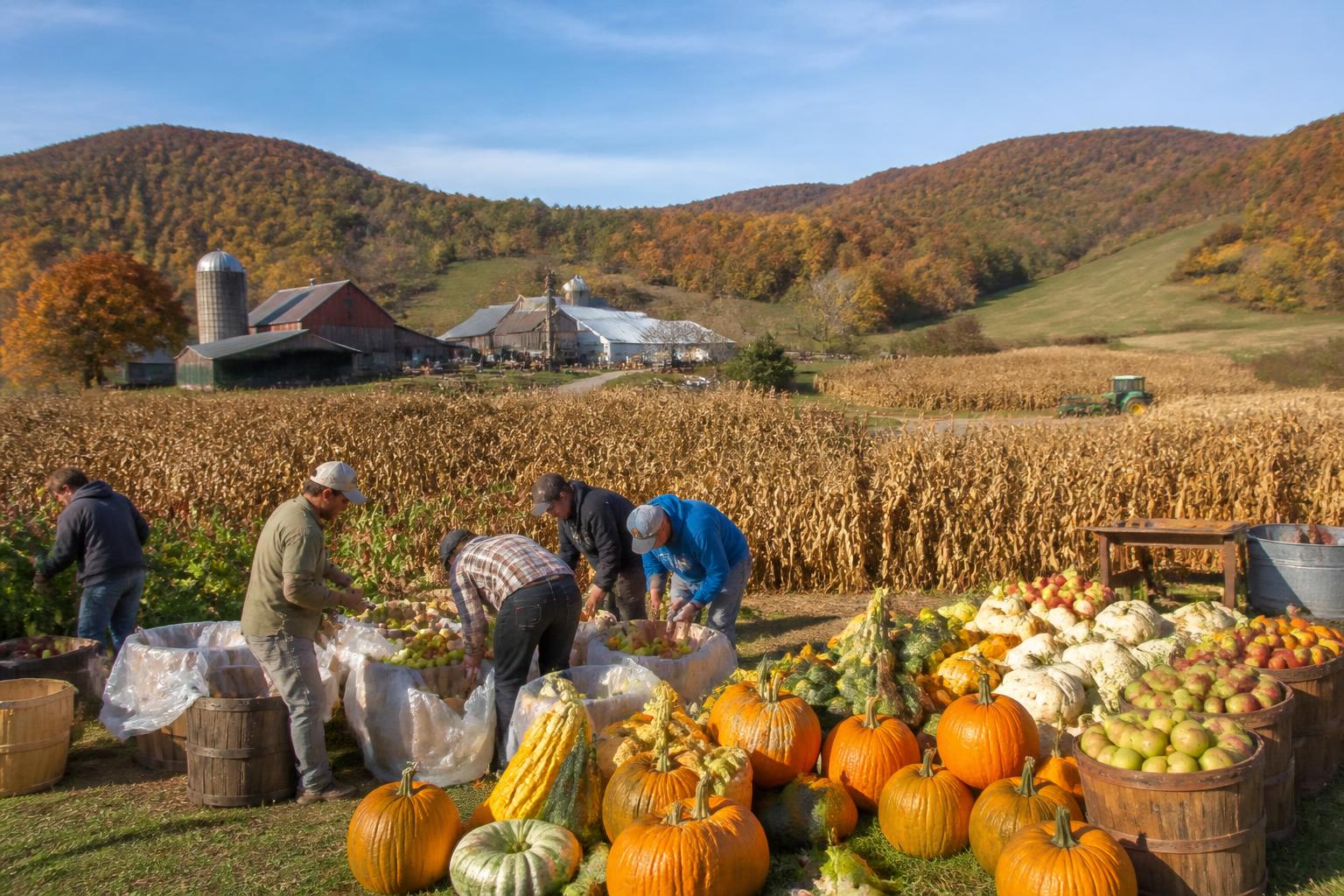
In West Virginia, the agricultural sector often relies on diverse revenue streams to maintain stability through the changing seasons. As we move deeper into November, the focus shifts toward securing forage supplies and evaluating the impact of regional hay production on the state's broader economic health. Hay continues to represent a foundational element for livestock producers, and recent assessments suggest that fluctuations in yield and quality can significantly influence local operational budgets.
Producers are encouraged to maintain a proactive stance regarding resource management. Whether through improving on-farm storage solutions to mitigate spoilage or engaging in strategic procurement, local agribusinesses may find that diligent planning helps buffer against volatility. For many, integrating these practices is essential for balancing input costs against current market conditions. Effective risk management in West Virginia continues to be a cornerstone for navigating the challenges inherent in autumn logistics.
Logistics and Resource Coordination
The movement of essential agricultural inputs remains a critical concern for those operating across the state's varied topography. Ensuring that feedstocks and supplies reach their destination without significant disruption often requires a keen understanding of local infrastructure constraints. Operators are increasingly looking toward collaborative models to streamline their supply chains, particularly as they manage seasonal demand for high-quality forage.
Understanding the interplay between local production and regional demand is vital for long-term growth. When producers optimize their internal operations and align with the needs of the surrounding community, they often see a more resilient bottom line. For more insights on regional logistics, producers may refer to previous reporting on operational shifts within the state to better position their assets as the calendar turns toward winter.
What it means for the market
The stability of the West Virginia agricultural economy is inextricably linked to how well producers can manage their hay inventory and logistical throughput during the fall months. While external factors often influence price points, local stewardship and strategic resource management remain the most effective tools for maintaining profitability. Focusing on reliable supply lines and maintaining high standards for stored forage will be key to weathering potential market shifts as producers prepare for the coming year.
Comments
No comments yet - be the first to share your take.