
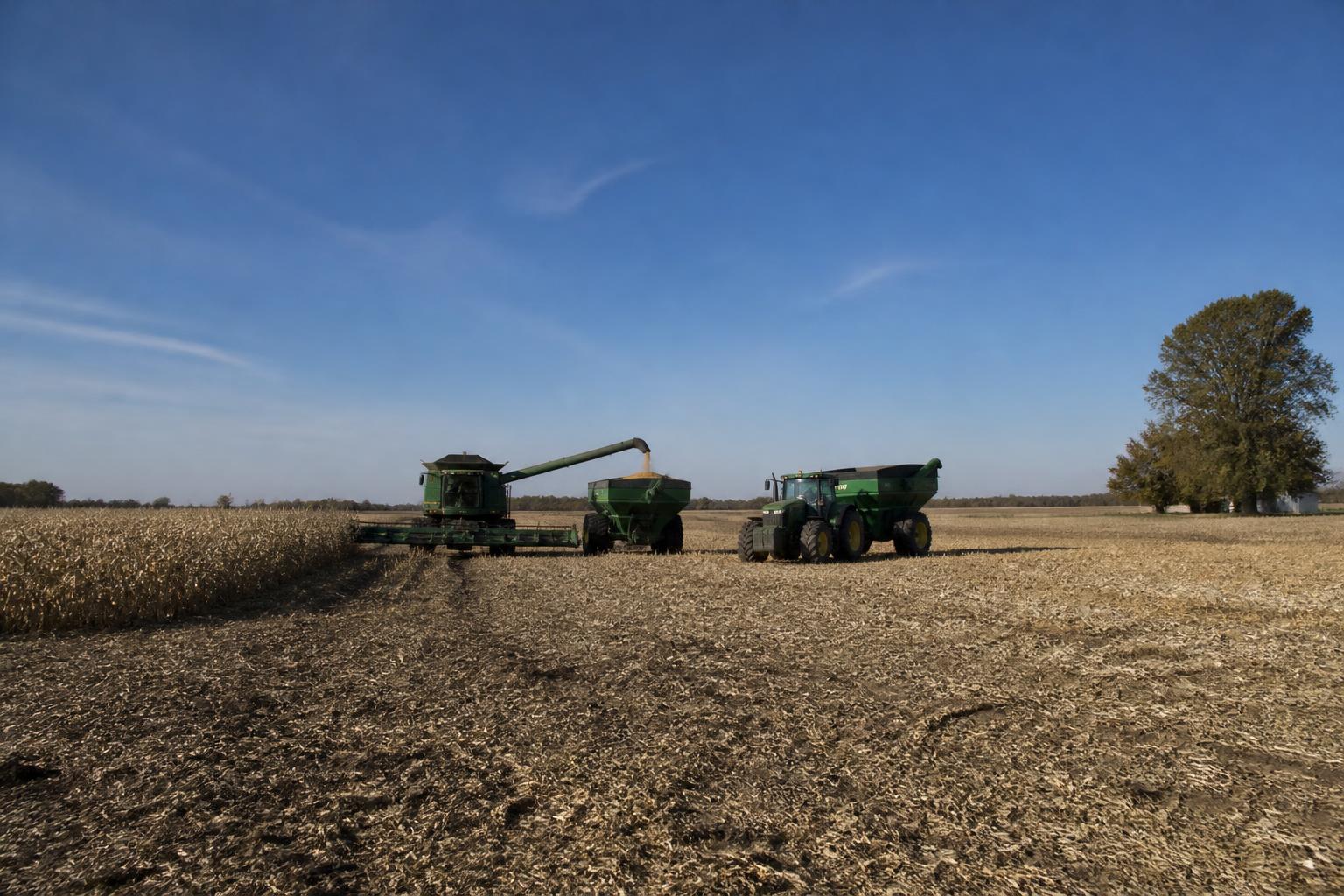
With the calendar turning deeper into November, Ohio harvest activity has accelerated significantly. Growers across the state are working to bring in corn and soybean crops as favorable conditions have allowed for sustained field progress. This period remains a critical window for maximizing throughput at regional elevators, as farmers aim to move grain efficiently before any potential shifts in late-season weather patterns.
However, the season has not been without its hurdles. Producers have reported navigating uneven crop development in some areas, compounded by localized disease pressure that challenged yield potential throughout the year. For those managing complex logistics, maintaining grain security and operational oversight as the final acres are harvested remains a top priority to ensure quality control.
Strategic Planning Amid Rising Costs
Beyond the field, the economic landscape for the upcoming season is weighing heavily on many operations. There is growing concern among producers regarding input volatility, particularly as fertilizer costs continue to fluctuate. Many agricultural leaders are calling for increased scrutiny of these price trends to ensure the viability of future planting cycles. As growers look ahead, managing input volatility is becoming just as essential as tracking local basis levels during the harvest push.
Insurance and Land Security
Looking toward 2026 and beyond, regulatory shifts are beginning to offer new forms of protection. Recent updates to crop insurance frameworks are set to expand coverage for soybeans in three eastern Ohio counties, providing a necessary safety net for producers in those regions. This focus on long-term stability arrives alongside broader efforts to protect the state’s agricultural footprint, balancing the need for land preservation with the integration of new infrastructure. For operators, staying informed on these policy updates is vital to strategic grain security and input management in an increasingly competitive environment.
What it means for the market
For Ohio agribusinesses and grain handlers, the current momentum highlights a need for continued logistical vigilance. While strong harvest progress is a positive signal, the combination of input price uncertainty and ongoing yield variability suggests that producers will be more selective with their marketing and input procurement strategies. Elevators and input suppliers should prepare for a potentially protracted planning season as farmers adjust their financial outlooks for the coming year.
Comments
No comments yet - be the first to share your take.