
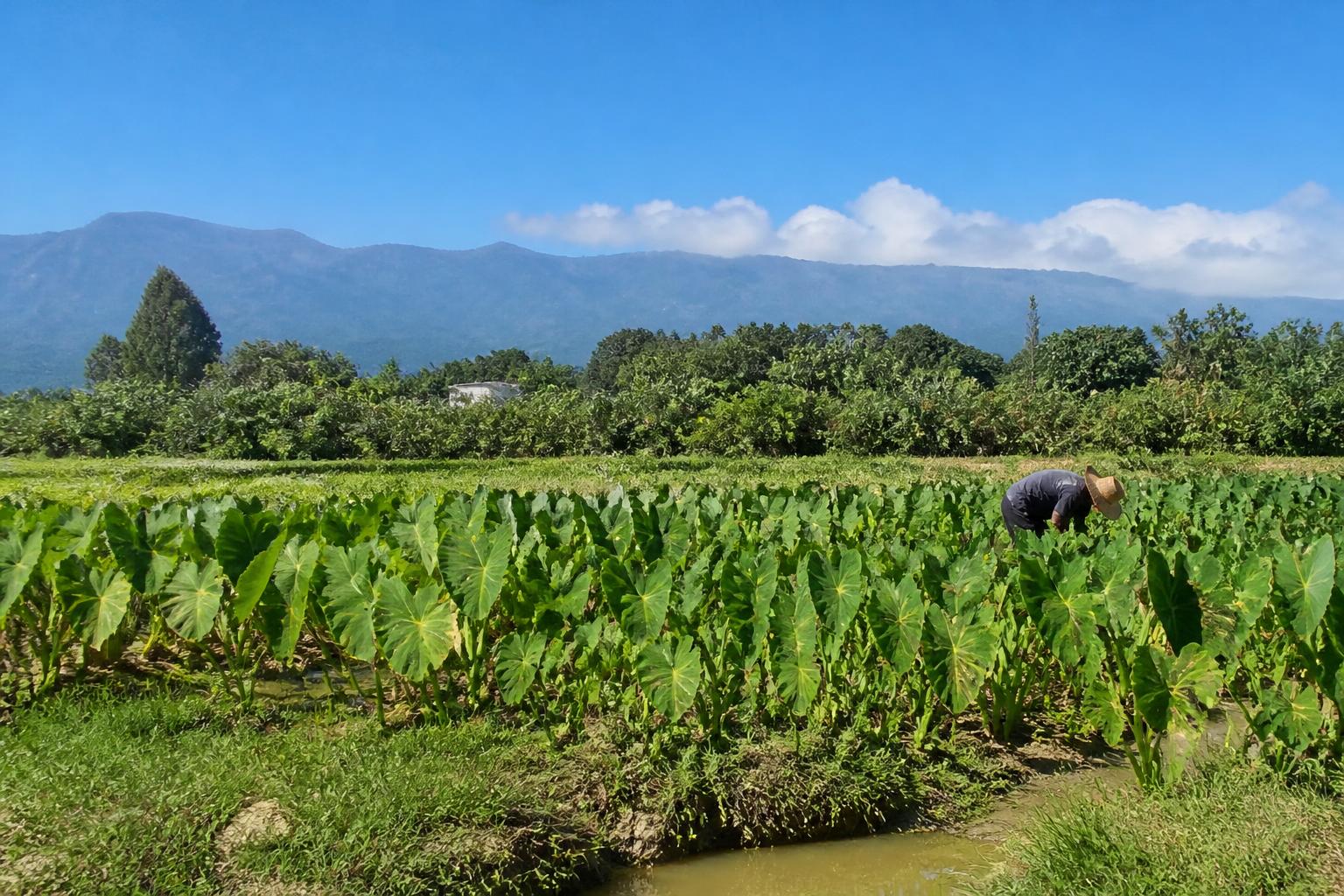
In Hawaii, the intersection of administrative leadership and agricultural logistics remains a critical focal point for local growers and distributors. With recent cabinet changes at the state level, including shifts in the Attorney General’s office, stakeholders in the agricultural sector are watching closely to see how these transitions might influence regulatory environments and trade infrastructure in the coming months.
Efficient movement of agricultural goods across the islands requires ongoing coordination between regulatory bodies and private logistics operators. As we move through this fall season, maintaining supply chain integrity is essential for operations ranging from localized produce distribution to inter-island trade. For those looking to optimize their supply chain resilience, understanding how to navigate commodity market shifts and compliance in Hawaii agriculture remains a top priority for producers and handlers alike.
Managing Infrastructure and Regulatory Transitions
State-level adjustments often create a period of observation for agribusinesses. Whether you are transporting livestock or bulk grains, clarity on regulatory frameworks is vital for minimizing delays at ports and on major transit corridors. Agribusinesses should remain engaged with regional development news, as policy updates can ripple through the logistics sector, affecting everything from port fees to land-use permissions.
Seasonal Logistics Considerations
Fall in Hawaii brings its own unique set of logistical challenges. While the climate remains relatively consistent compared to the mainland, seasonal fluctuations in consumer demand and potential weather-related disruptions can test the agility of local transport providers. Reliable planning for the transit of perishable goods remains the backbone of the island economy. Proactive communication between shippers and trucking fleets is often the most effective method for navigating potential bottlenecks during busy distribution windows.
Key Takeaways for Producers
- Monitor state cabinet updates for potential policy shifts impacting agricultural trade compliance.
- Strengthen relationships with local carriers to ensure priority during seasonal distribution peaks.
- Review current logistics contracts to ensure alignment with existing state transport guidelines.
What it means for the market: The current landscape in Hawaii suggests a cautious approach to operational planning. As new leadership settles into their roles, agribusinesses should focus on hardening their internal logistics networks and staying informed on administrative developments that could alter the regulatory cost of doing business. Efficiency in this transition period will be measured by a producer's ability to remain compliant while keeping supply lines moving smoothly across the islands.
Comments
No comments yet - be the first to share your take.