
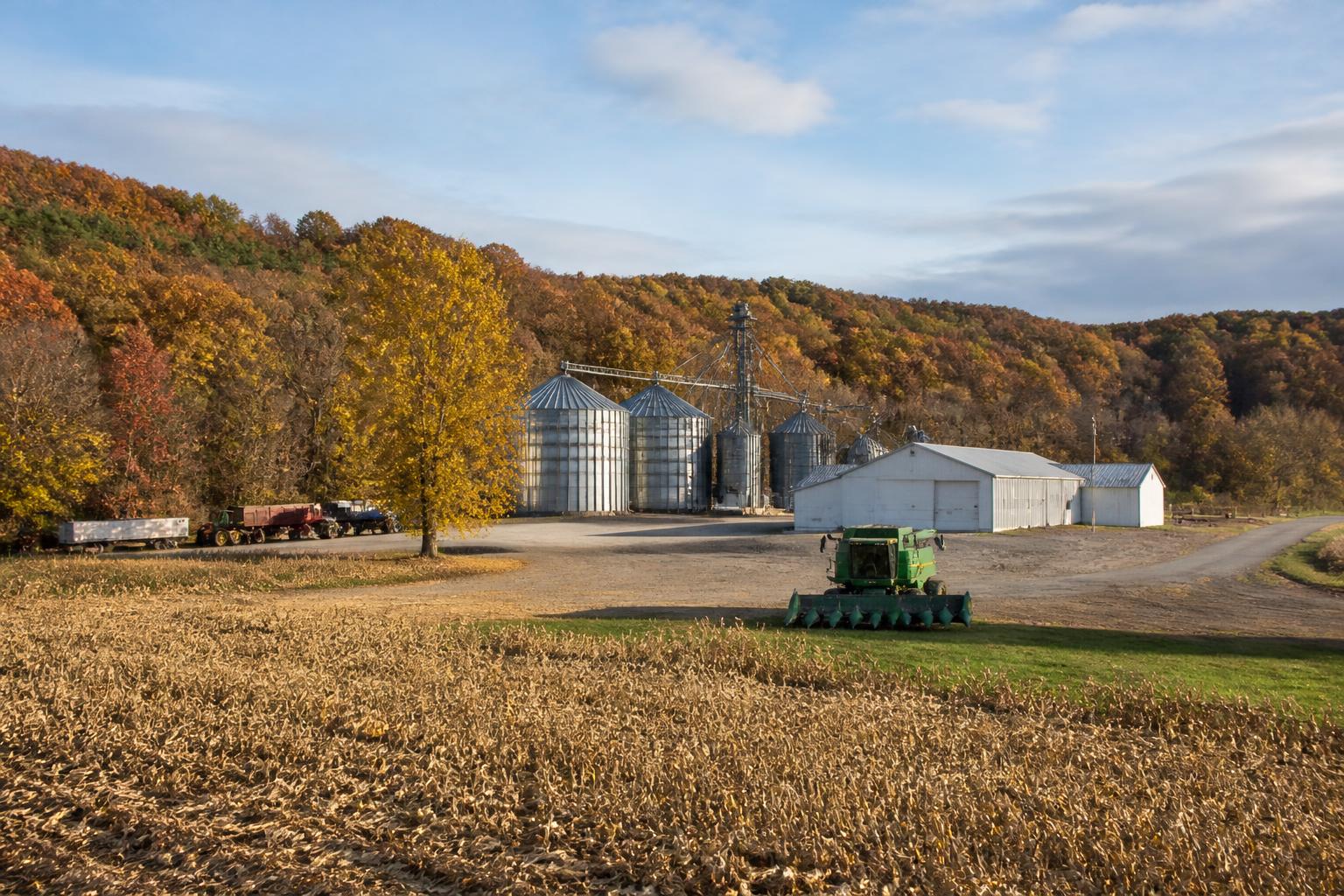
Delaware agriculture continues to demonstrate a unique blend of high-level environmental commitment and complex supply chain navigation. With the fall harvest drawing to a close, producers across Kent and Sussex counties are transitioning from field operations to long-term planning, focusing on soil health and input management for the upcoming year.
Recognition of local excellence, such as the recent honors bestowed upon Middletown’s Emerson Farms for environmental stewardship, reflects a broader shift toward sustainable practices in the Mid-Atlantic. This focus often aligns with long-term profitability, as efficient nutrient management can mitigate the impact of fluctuating input costs discussed in recent Delaware fertilizer market updates. For many farmers in the state, balancing these stewardship goals with the financial realities of modern production remains the primary challenge heading into the winter months.
Input Market Volatility and Operational Realities
While local farm management remains high, the sector faces headwinds from the broader agribusiness climate. Recent industry reports indicate that major crop protection providers are navigating a period of reduced sales and heightened market pressure. This downturn is often felt at the regional level, where grain handlers and input suppliers must carefully manage inventory in a climate of shifting demand.
Producers are advised to maintain close contact with local elevators and retailers to navigate these supply pressures and financial planning necessities. Whether you are managing post-harvest logistics or preparing for spring input requirements, staying informed on how these national trends impact local availability is crucial for maintaining margins throughout the off-season.
Strategic Planning for the Upcoming Year
As the season shifts, the focus naturally moves toward analyzing the previous year's performance and preparing for the next. Those interested in maintaining financial resilience should refer back to current trends regarding data accuracy and financial resilience, which remain cornerstones for navigating the current market landscape.
What it means for the market: Delaware farmers are increasingly insulated from market volatility through a combination of localized operational efficiency and high standards of stewardship. However, the disconnect between global input company performance and local on-farm needs suggests that producers should prioritize flexible procurement strategies this winter to manage potential supply bottlenecks and price fluctuations effectively.
Comments
No comments yet - be the first to share your take.