
As Kentucky farmers conclude the final phases of their fall harvest, the agricultural landscape continues to evolve through a mix of traditional production and emerging niche markets. This shift is increasingly supported by targeted federal funding and academic partnerships aimed at enhancing long-term operational resilience. Whether managing standard grain rotations or exploring specialty chestnut production, producers are finding that data-driven decision-making remains a critical pillar for success.
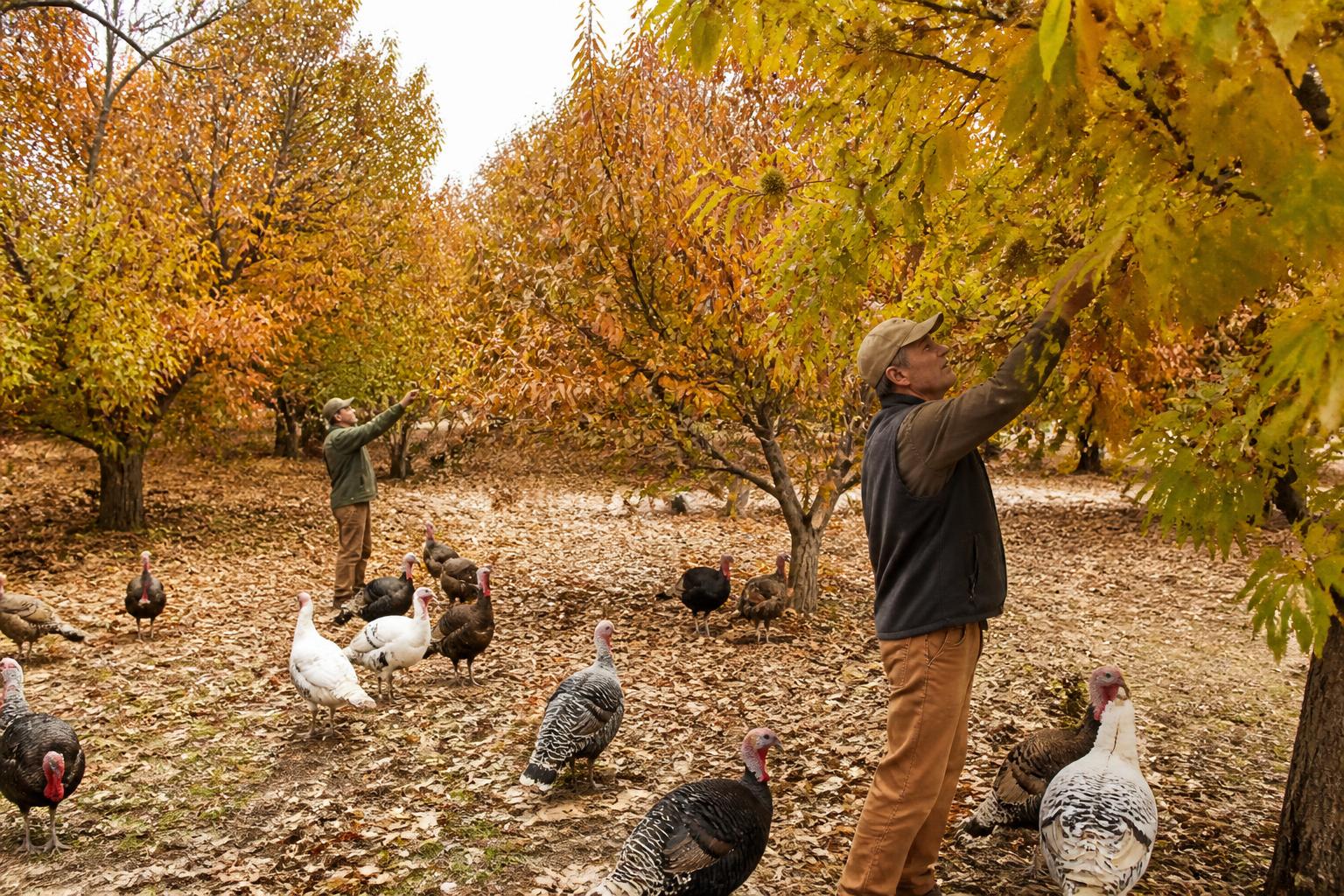
For those looking to expand their operations, federal support remains a key resource. A recent USDA grant awarded to EBB Farms highlights a growing interest in specialty crop guidance, specifically for chestnut development in the region. This type of financial backing can be instrumental for producers aiming to diversify beyond commodity markets and tap into new revenue streams that require specialized cultivation knowledge.
Expanding Educational Outreach and Farm Health
Beyond crop selection, the integration of broader health management strategies is becoming more prevalent across Kentucky agribusinesses. The University of Kentucky has recently launched certificate programs in One Health, reflecting a growing commitment to the interconnectedness of soil, animal, and environmental wellness. These initiatives often offer valuable insights that farmers can apply to livestock management, particularly for those focusing on organic or heritage breeds, which have seen a steady market presence in Kentucky's evolving agricultural landscape.
Operational Efficiency in a Modern Context
As the industry moves forward, the importance of robust data management cannot be overstated. Standardizing farm records and operational data allows for better tracking of input costs, especially when navigating the financial complexities typical of the late-season transition. For producers interested in long-term stability, understanding how to effectively manage these variables is essential to the broader Kentucky grain outlook. Whether utilizing internal tracking or external consultant guidance, refining these processes is a common strategy for maintaining profitability throughout the coming winter months.
What it means for the market
The convergence of grant-supported niche crop research and enhanced educational programs indicates a positive trend toward high-value, sustainable agriculture in Kentucky. Farmers who leverage these resources to refine their management practices are better positioned to mitigate risks and capitalize on shifting consumer demands for organic and specialized agricultural products.
Comments
No comments yet - be the first to share your take.