
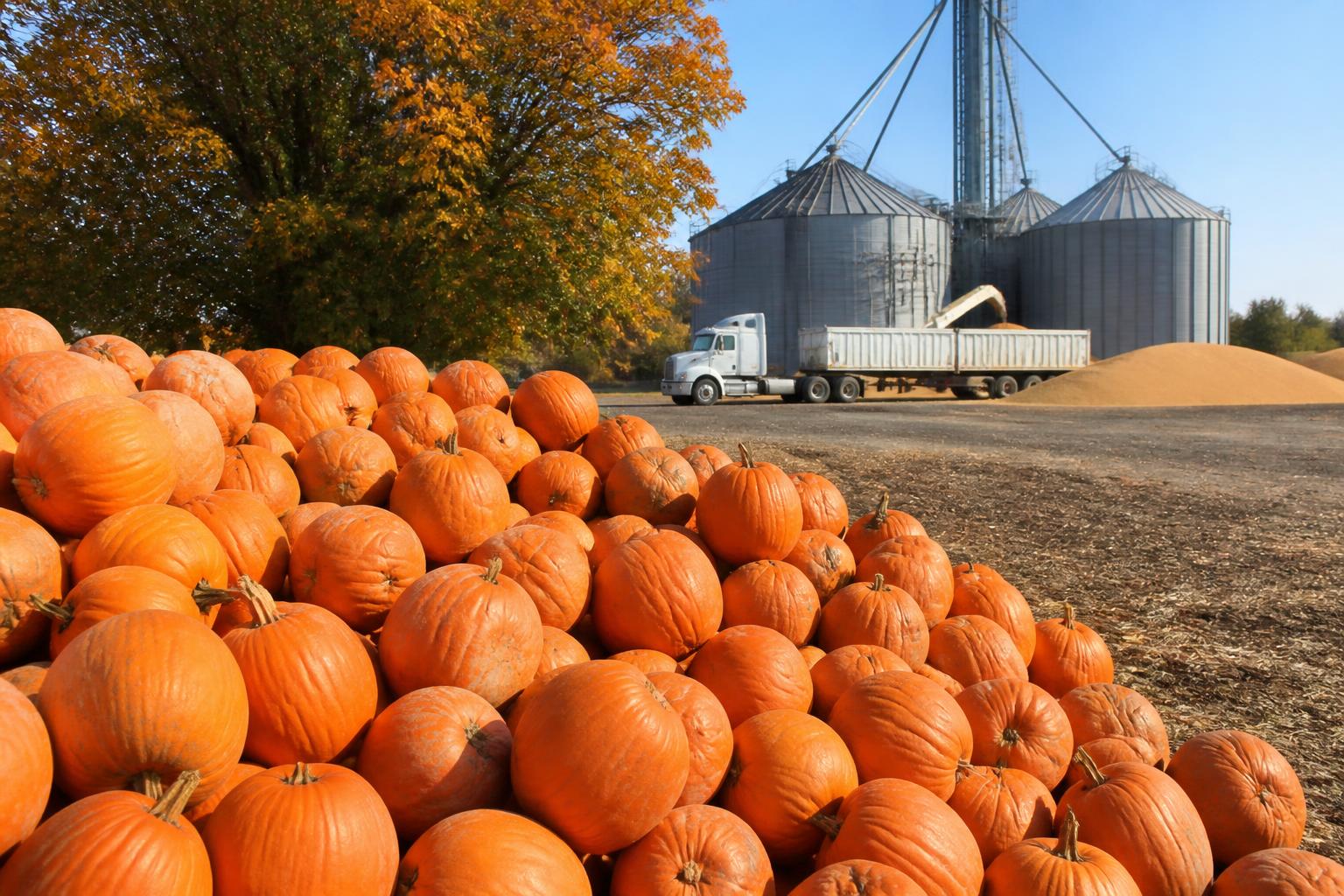
As the final pulses of the New York harvest cycle draw to a close this November, farmers across the state are focusing on the critical transition from field collection to long-term storage management. With storage capacity being a primary lever for price risk mitigation, the current season emphasizes the necessity of maintaining high-quality reserves while awaiting more favorable market conditions. Producers managing diverse commodities, from staple grains to orchard-based crops, are increasingly evaluating whether their existing infrastructure supports the flexibility needed to hold stocks through the winter months.
For those looking to streamline operations, the focus often shifts toward modular storage solutions and data-driven inventory management. In regions like the Hudson Valley or the rolling landscapes of Western New York, effective storage is more than just warehouse space; it is a vital buffer against logistical bottlenecks that can arise as regional supply chains adjust to shifting demand. As discussed in New York Ag Logistics: Navigating Q4 Supply Chain Pressures, managing these assets effectively can prevent unnecessary exposure to price drops during peak delivery windows.
Refining Storage and Logistics Strategy
The decision to store or move product immediately is frequently complicated by ongoing infrastructure limitations. While state initiatives like the recent dairy modernization grants signal a broader move toward capital investment in New York agriculture, individual grain handlers and growers must still weigh the costs of expanded storage against the immediate expense of off-farm hauling. For many, the priority remains the preservation of crop quality; proper aeration and moisture monitoring are essential during these colder, damp months to ensure that the value captured during the harvest season isn't lost to spoilage.
Furthermore, as producers look to improve their bottom line, integrating technology into storage management can provide a competitive edge. Real-time data regarding crop condition can inform smarter marketing decisions. For deeper insights on how broader logistics constraints impact your operation, refer to Fall Logistical Pressures and Supply Chain Shifts in New York Agriculture, which highlights how timing and storage capacity are currently influencing state-wide price stability.
Looking Ahead
Producers should also remain mindful of the long-term outlook for specialized regional markets. As highlighted in New York Rail Infrastructure Boost: Impact on State Agricultural Logistics, investments in the state's transport corridors may eventually alleviate some of the pressure on local storage needs, but for the remainder of this fall, self-reliance in storage capacity remains a critical component of a robust risk management strategy.
What it means for the market
For New York agribusinesses, the current market reality suggests that those with available and well-maintained on-farm storage are in a stronger position to avoid distress selling. As the season turns, the market favors those who can protect crop quality and hold inventory until transport demand eases and pricing becomes more competitive.
Comments
No comments yet - be the first to share your take.