
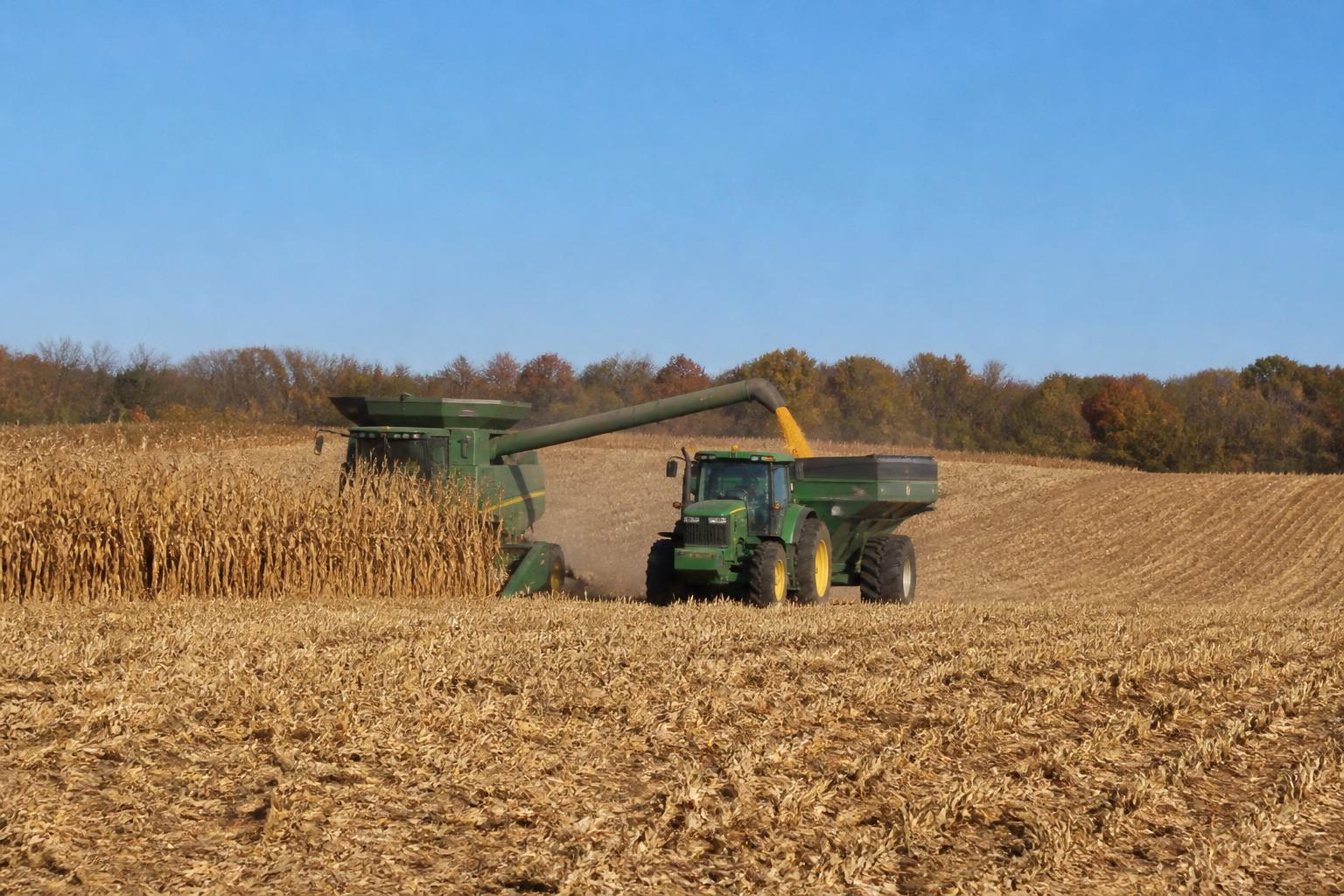
With the Kansas harvest now in its final stretch, grain movement remains a primary focus for regional elevators and logistics providers. As combines wrap up in many fields, attention among operators is naturally pivoting toward late-season soil testing and developing procurement plans for the coming cycle. Understanding the fluctuating cost environment for inputs is vital as producers evaluate their return on investment for the next planting season.
Refining Input Strategies Post-Harvest
The conclusion of a busy harvest often leaves a narrow window for essential fall fieldwork. For many Kansas growers, this is the time to assess nutrient removal rates and plan for upcoming soil fertility needs. Managing expenses effectively is critical, particularly as producers navigate evolving market pressures and federal assistance programs that may impact net margins. Consistent communication with local retailers can help ensure that supply chain constraints do not impede your ability to secure necessary inputs at the right time.
Logistics and Resource Planning
Logistical efficiency is rarely more important than in these final weeks of the year. Whether you are moving grain to local hubs or coordinating delivery of dry fertilizer, keeping a close eye on transport capacity is essential. In some regions, increased demand for regional transit can tighten availability for both bulk commodities and agricultural inputs. For those planning ahead, early coordination with logistics partners often helps mitigate the risk of seasonal bottlenecks that can delay field applications.
Strategic Considerations for the Season Ahead
As you review your performance from the most recent cycle, prioritize data-backed decision-making. Utilizing precise field management data can provide a clearer picture of which acres offer the highest potential for recovery. Balancing input applications based on localized yield maps—rather than generalized averages—is a practical way to manage costs when prices remain volatile.
What it means for the market
For Kansas agribusinesses and farmers, the current landscape suggests a need for cautious, data-driven planning. While the harvest phase is nearing its end, the financial implications of the current input market will persist well into the spring. Focus on locking in essential supplies early where possible, and continue to leverage local, state-level guidance to navigate the shifting logistical and economic currents impacting the state's agricultural backbone.
Comments
No comments yet - be the first to share your take.