
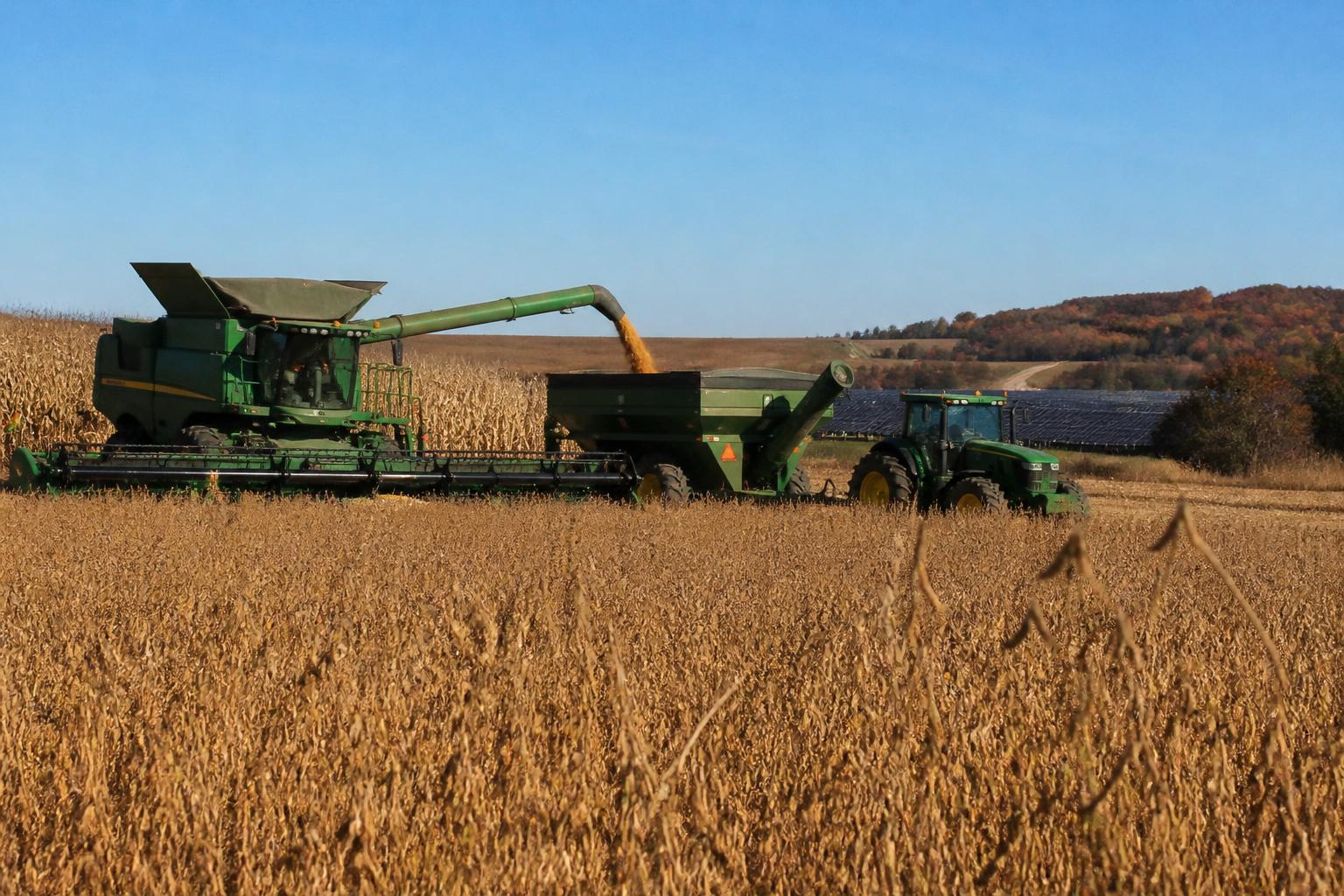
With the autumn harvest season reaching its final stages across New York, agricultural producers are shifting their focus from field operations to long-term efficiency and logistical planning. For many operations, the current window provides a critical opportunity to assess supply chain pressures and integrate precision tools that may enhance yields for the upcoming cycle.
As producers review their season, effective management of stored commodities remains a priority. Many growers are currently evaluating their storage capacity and logistics strategy to navigate potential volatility in transport costs and local supply chain bottlenecks. Efficient management during this phase is crucial for maintaining margins as regional distribution networks adjust to the end of peak harvest traffic.
Advancements in Field Efficiency
Technology adoption continues to be a driving force in boosting productivity for New York agribusinesses. Recent interest in new in-furrow application technologies suggests that growers are increasingly looking for ways to optimize input placement early in the crop cycle. By integrating these precise delivery methods, producers aim to maximize nutrient uptake, a trend that aligns with the broader push toward sustainable and high-yielding farming practices.
Beyond machinery, conservation and operational sustainability remain essential to long-term success. Federal and local initiatives, including funding for projects that help farmers improve their resource management, are playing a role in stabilizing operations. For those looking to streamline their infrastructure, understanding the latest shifts in on-farm storage and grain handling is vital to maintaining flexibility when the market demands immediate movement of product.
Strategic Planning for the Year Ahead
As the state prepares for winter, the focus shifts toward securing inputs and planning logistics for the next season. Whether through evaluating Q4 logistics constraints or exploring new revenue models like agrivoltaics, New York farmers are diversifying their approach to remain competitive. Maintaining a pulse on regional supply chain shifts will be key as producers mitigate the impact of rising costs and seasonal unpredictability.
What it means for the market: Producers who proactively refine their logistics and embrace precision inputs are better positioned to weather seasonal fluctuations. As harvest winds down, investing time in infrastructure maintenance and future-proofing supply chains will likely pay dividends when spring planting commences.
Comments
No comments yet - be the first to share your take.