
Assessing Market Uncertainty and Risk
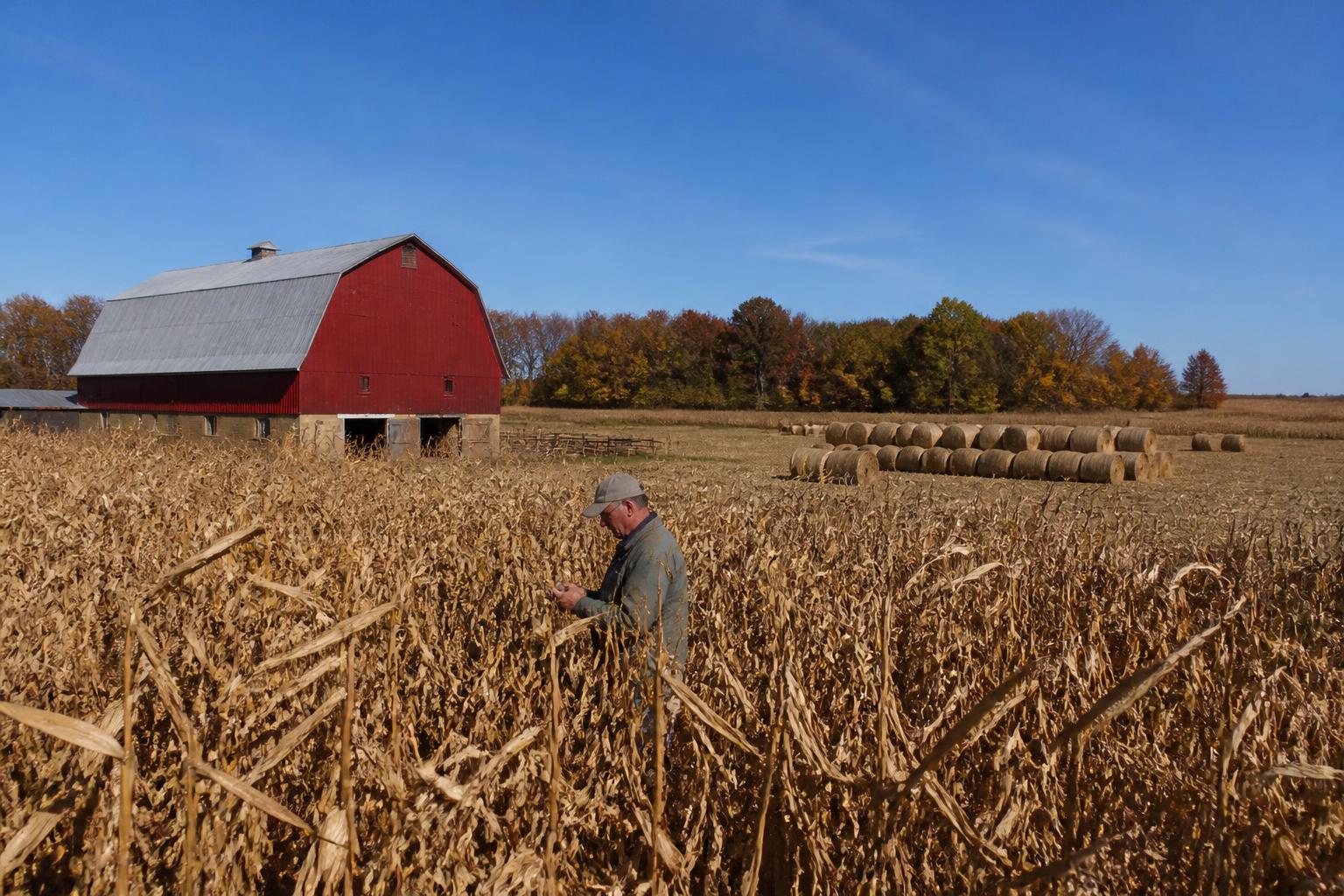
As the fall harvest season concludes, Washington growers are shifting their attention from field operations to long-term financial planning. The recent landscape of global trade, particularly concerning export market access, remains a primary consideration for producers across the state. Many in the agricultural sector are taking a closer look at how current policy shifts and the evolving regulatory environment impact their bottom line, balancing operational costs against the potential for market volatility in the upcoming year.
The Role of Crop Protection and Insurance
With market conditions feeling increasingly fluid, interest in robust protection strategies is rising. Experts often point to crop insurance as a fundamental tool for stabilizing farm income, especially when global commodity demand or international trade relationships face sudden revisions. Whether managing grain inventory in localized storage or preparing for the next planting cycle, having a clear understanding of risk management tools can provide a necessary safety net against unforeseen economic shocks.
Logistics and Market Connectivity
For Washington's grain and specialty crop producers, the efficiency of the supply chain remains as critical as the yields themselves. Ongoing discussions regarding export infrastructure continue to influence local decision-making, as farmers evaluate the best pathways to connect their products to international terminals. Integrating these logistical considerations with smart input buying is often the key to maintaining a competitive edge in a globalized market.
What it means for the market
The convergence of trade uncertainty and fluctuating operational costs emphasizes the need for a proactive approach to farm management. As growers finalize their end-of-year books, the focus remains on leveraging available insurance protections and maintaining lean, efficient logistical chains to weather potential headwinds in the 2027 market season.
Comments
No comments yet - be the first to share your take.