
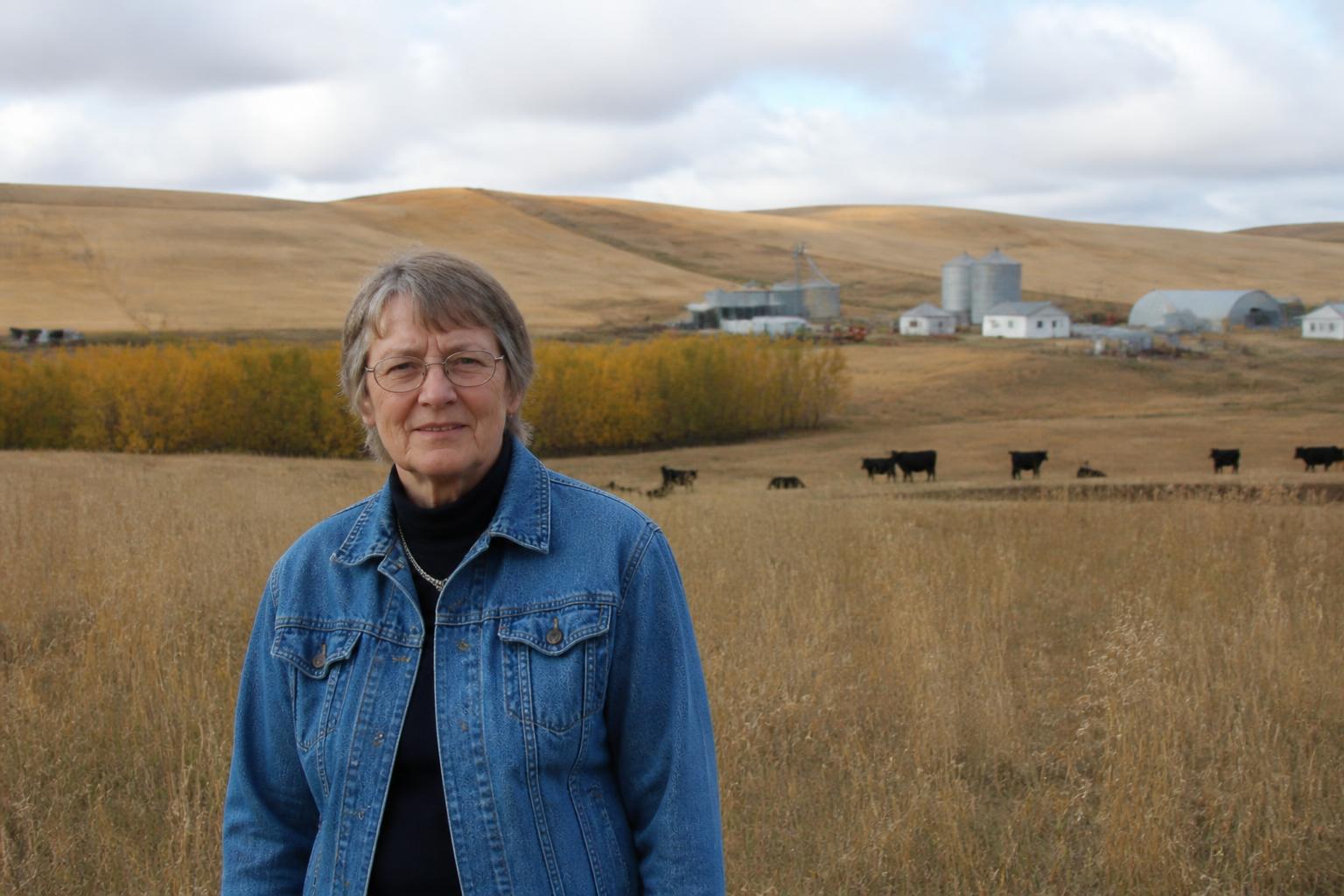
Assessing the Current Livestock Landscape
For North Dakota cattle producers, the transition into late fall often brings a focus on inventory management and seasonal logistical planning. As the harvest season winds down across the Northern Plains, market participants are keeping a close eye on midday cash livestock activity. Fluctuations in these regional price points can directly impact the bottom line for local operations, particularly as winter preparation demands more resources.
Understanding these shifts is part of a broader need for maintaining operational resilience during periods of price variability. While national trends often dictate the overarching trajectory, localized supply chain constraints across the state's rural corridors remain a critical factor in how effectively producers can move their product to processing centers.
Strategic Planning in a Shifting Market
Beyond immediate price assessments, the late-fall period is an ideal time to review operational safeguards. Whether focusing on input costs or the durability of grain storage, efficiency is the hallmark of the successful North Dakota enterprise. Producers are increasingly utilizing data-driven insights to manage the complexities of modern agriculture, from grain quality maintenance to navigating the deadlines for risk management and crop insurance.
As operations settle into the winter rhythm, farmers and ranchers are encouraged to maintain lean, efficient logistics chains. By prioritizing proactive maintenance and staying informed on regional trade flows, producers can better insulate themselves against the unpredictability of both international commodity markets and domestic supply chain hurdles.
What it means for the market
The current market environment suggests that North Dakota producers should remain focused on cost control and logistical agility. As the year draws to a close, maintaining tight margins and utilizing regional resources efficiently will be key to weathering potential fluctuations in livestock and grain pricing. Keeping an eye on localized cash markets and ensuring that on-farm storage and logistics are optimized will provide the best hedge against broader sector instability in the coming months.
Comments
No comments yet - be the first to share your take.