
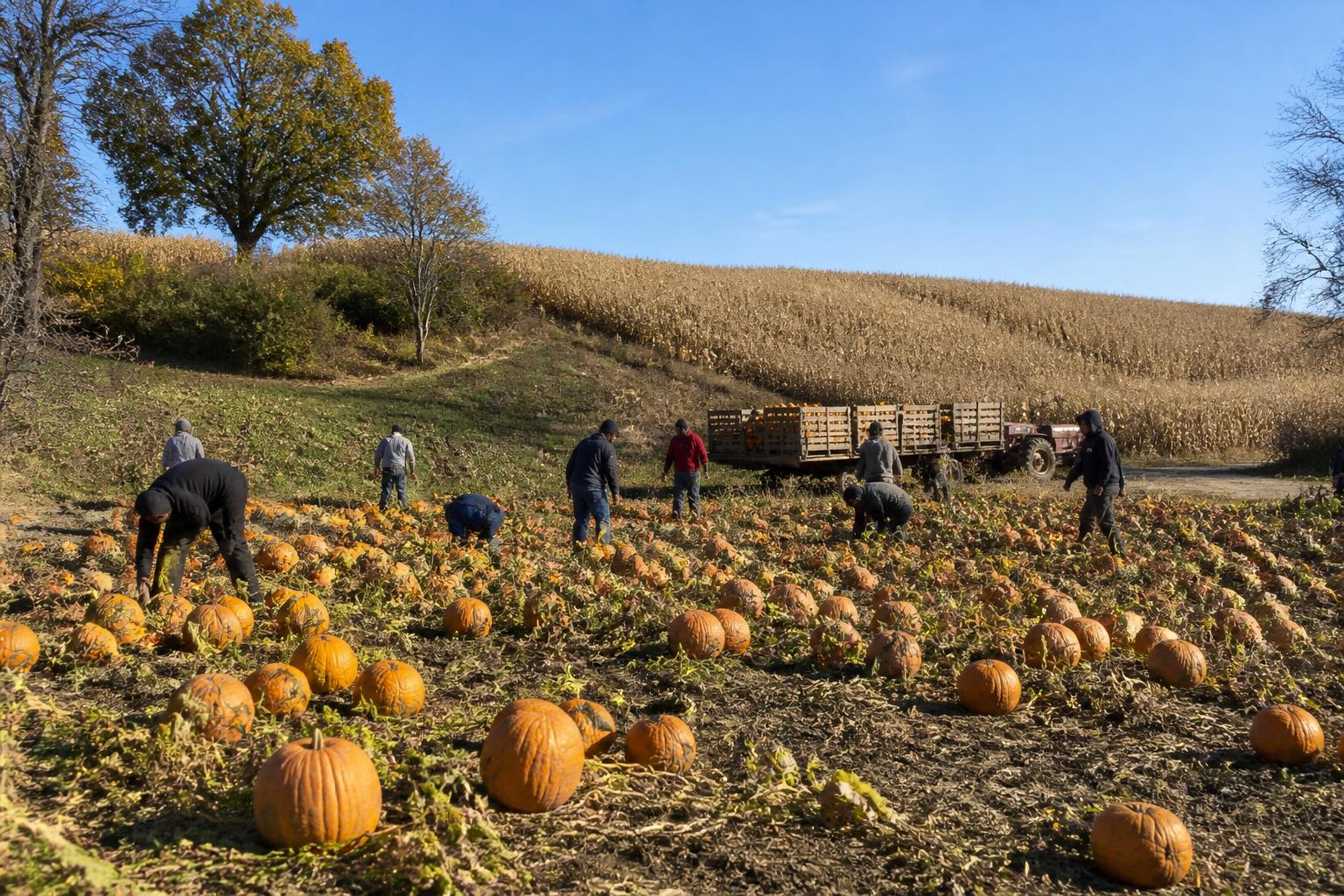
As the fall harvest winds down across California, agricultural operators are shifting their focus from field logistics toward regulatory compliance and winter land management. In many parts of the state, including the productive corridors of the Salinas Valley, the intersection of labor oversight and environmental stewardship remains a critical operational priority for growers and input managers.
Maintaining rigorous safety standards is not only a moral imperative but a core component of sustainable farm management. Recent directives emphasize that farm employers must ensure immediate and appropriate medical attention is provided to workers following any suspected pesticide exposure. Staying current with these California regulatory shifts is essential for minimizing liability and supporting a healthy workforce during the transition into the slower winter months.
Water Quality and Input Management
For growers managing intensive cropping systems, the long-term viability of soil and water resources remains a topic of significant concern. As seen in various coastal regions, the potential for groundwater salinity presents a unique challenge that can influence future crop selection and irrigation infrastructure investments. Proactive resource management, supported by data-driven decision-making, continues to be a standard practice for those looking to buffer their operations against these long-term environmental pressures.
Furthermore, the ongoing focus on land and resource protection underscores the need for operators to stay informed on regional best practices. Integrating new biological tools and precision technologies often serves as a practical way to manage input costs while navigating the strict compliance environment that defines California agriculture today.
Industry Integration and Professional Growth
The recent expansion of talent within local agribusiness firms, such as the strategic leadership updates seen at regional producers like Baloian Farms, highlights the industry's commitment to agronomic expertise. Bringing on specialized personnel, such as grower relations managers, allows firms to better navigate the complexities of modern farming, from pest management strategies to seed technology applications.
For those interested in the broader protection landscape, exploring new tools and available climate funding can provide significant advantages as we head into the next calendar year. Establishing strong relationships with agronomists and safety consultants remains one of the most effective ways for California growers to remain competitive in a landscape that is increasingly defined by its high regulatory barrier to entry.
What it means for the market
The California agricultural sector is currently navigating a period of stabilization, where the emphasis has shifted from aggressive production to high-efficiency compliance. For managers, this means that every dollar invested in safety and resource sustainability is a direct investment in the longevity of their land and the reliability of their labor force. As the market prepares for the new year, those who prioritize these operational fundamentals are likely to be better positioned against seasonal volatility.
Comments
No comments yet - be the first to share your take.