
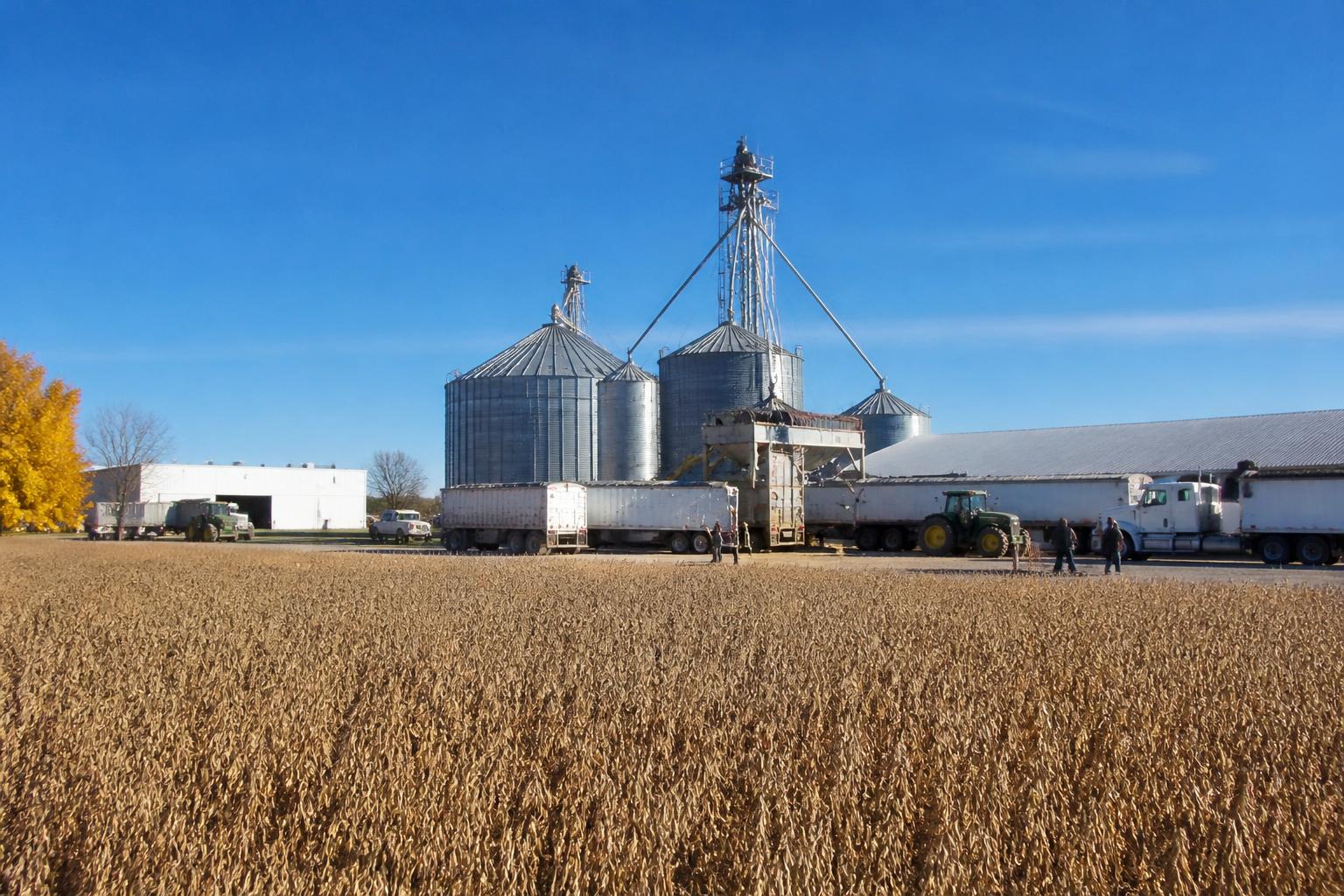
In Georgia, the intersection of infrastructure development and market volatility continues to define the landscape for grain handlers and producers. As the state moves further into the fall harvest season, maintaining efficient logistics remains a priority for those looking to keep commodities moving from regional elevators to broader markets. Ongoing logistical adjustments are essential as the industry balances local storage capacities with the pressures of maintaining steady transport flow.
Infrastructure and Logistical Efficiency
Modernizing regional transport remains a central theme for many Georgia agribusinesses. Whether coordinating via rail or road, the reliability of grain handling facilities is paramount. Infrastructure upgrades often serve as a buffer against supply chain disruptions, allowing producers to capitalize on regional demand rather than waiting for distant market corrections. For handlers, ensuring that storage and load-out facilities are optimized can make the difference during the busy harvest months.
Market Intelligence and Operational Strategy
The role of technology in refining market strategy is increasingly apparent. Many producers are now looking for improved data integration to better manage sales timing and risk. As noted in recent trends regarding rail car utilization and capacity management, having a clear view of the logistical pipeline allows for more agile decision-making. These capabilities are becoming vital as domestic and global demand patterns continue to fluctuate, often requiring farmers to adapt their post-harvest strategy in real-time.
Broadening Market Horizons
Beyond logistics, Georgia producers are also keeping an eye on the broader trade environment. While local factors like livestock auction volume often signal immediate shifts in state-level demand, international processing interest and trade corridors continue to shape the long-term outlook. By focusing on sustainable supply chain practices, regional stakeholders can better position themselves to meet both domestic processing needs and potential export opportunities.
What it means for the market: For Georgia farmers and elevator operators, the current environment underscores the need for localized logistical resilience. While external market pressures are outside of a producer's control, investments in efficient handling, smart storage management, and data-driven market insights remain the best defenses against volatility, ensuring that Georgia grain remains competitive as it moves through the supply chain.
Comments
No comments yet - be the first to share your take.