
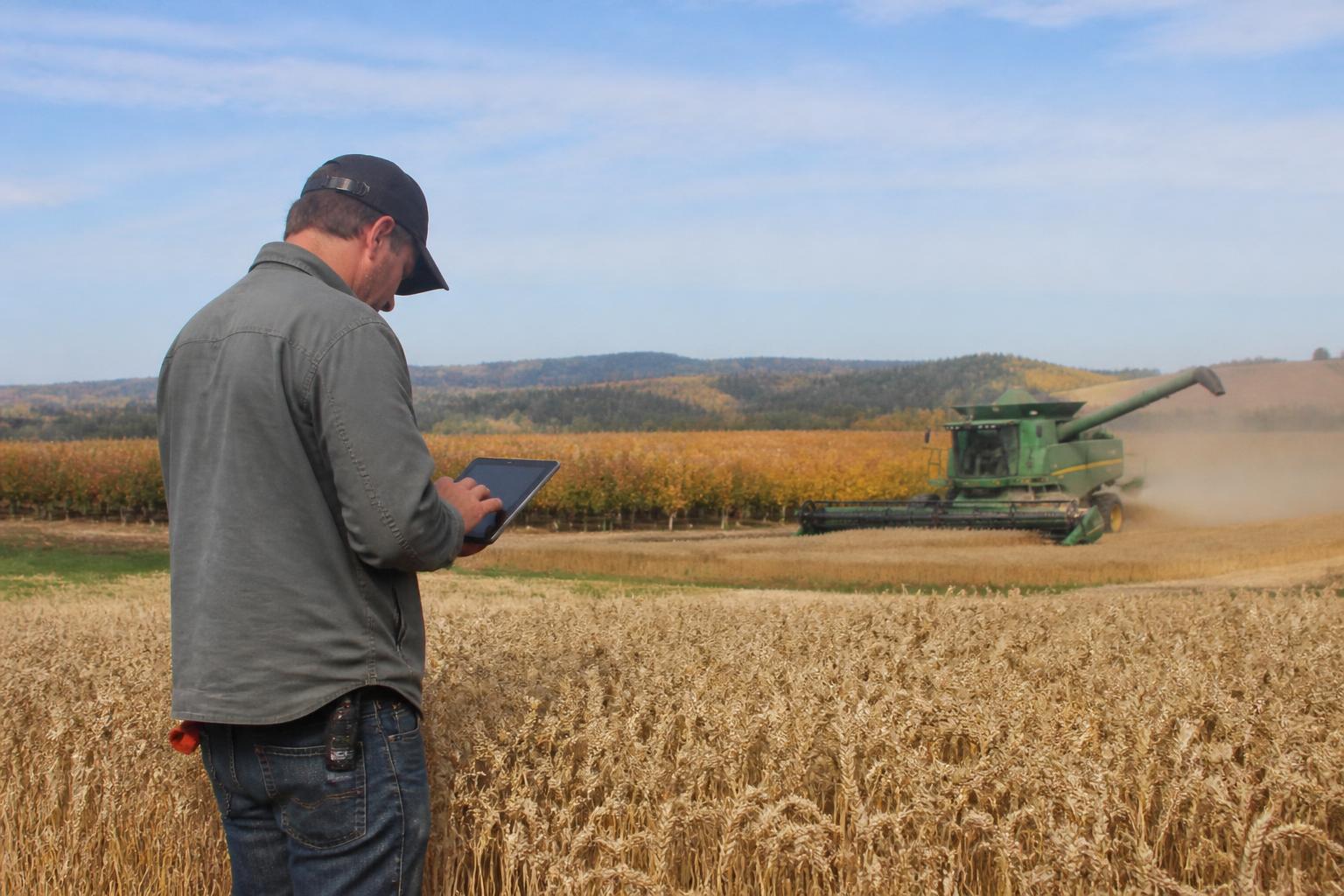
Oregon producers are wrapping up a complex fall season marked by shifting logistical windows and regional environmental challenges. As the industry recalibrates, the focus for many agribusinesses and family farms remains on optimizing margins and managing production risks in an increasingly unpredictable climate.
Integrating new management tools into daily workflows has become a priority for operations looking to mitigate price volatility. Recent shifts in the agricultural service sector have introduced fresh digital options for producers, with new AI-driven platforms aiming to simplify complex grain-marketing decisions. For those managing diverse portfolios, from specialty crops to traditional grains, these technologies may offer a pathway to more precise timing in volatile markets, similar to how local grain handlers have recently refined their Portland market strategies.
Technology Adoption and On-Farm Efficiency
Beyond digital marketing, physical infrastructure and field management remain at the forefront of Oregon agriculture. Maintenance cycles for machinery are intensifying as producers look toward the upcoming season, with recent innovations in equipment, such as updated spreader technology, highlighting a broader push for efficiency in field inputs. Managing soil health and addressing localized weed pressures—particularly in high-value perennial sectors like orchards—continues to require a mix of traditional expertise and emerging technical solutions.
Navigating Market and Environmental Pressures
The state’s agricultural landscape is also contending with broader logistical hurdles. Recent delays in major coastal harvest seasons, such as the Dungeness crab industry, serve as a reminder of how susceptible Oregon’s commodity exports are to environmental and regulatory fluctuations. For grain handlers and producers alike, keeping a pulse on these regional bottlenecks is essential for maintaining liquidity. Proactive monitoring of late-season organic trends can also provide a competitive edge for those looking to pivot or secure better contract terms as the year concludes.
What it means for the market
For the Oregon agribusiness community, the intersection of digital marketing tools and site-specific field management signals a move toward higher operational transparency. Farmers who leverage data-backed decision-making while staying aligned with regional supply chain realities will be better positioned to navigate the late-year transition period, ultimately protecting their bottom line against the season's inherent uncertainties.
Comments
No comments yet - be the first to share your take.