
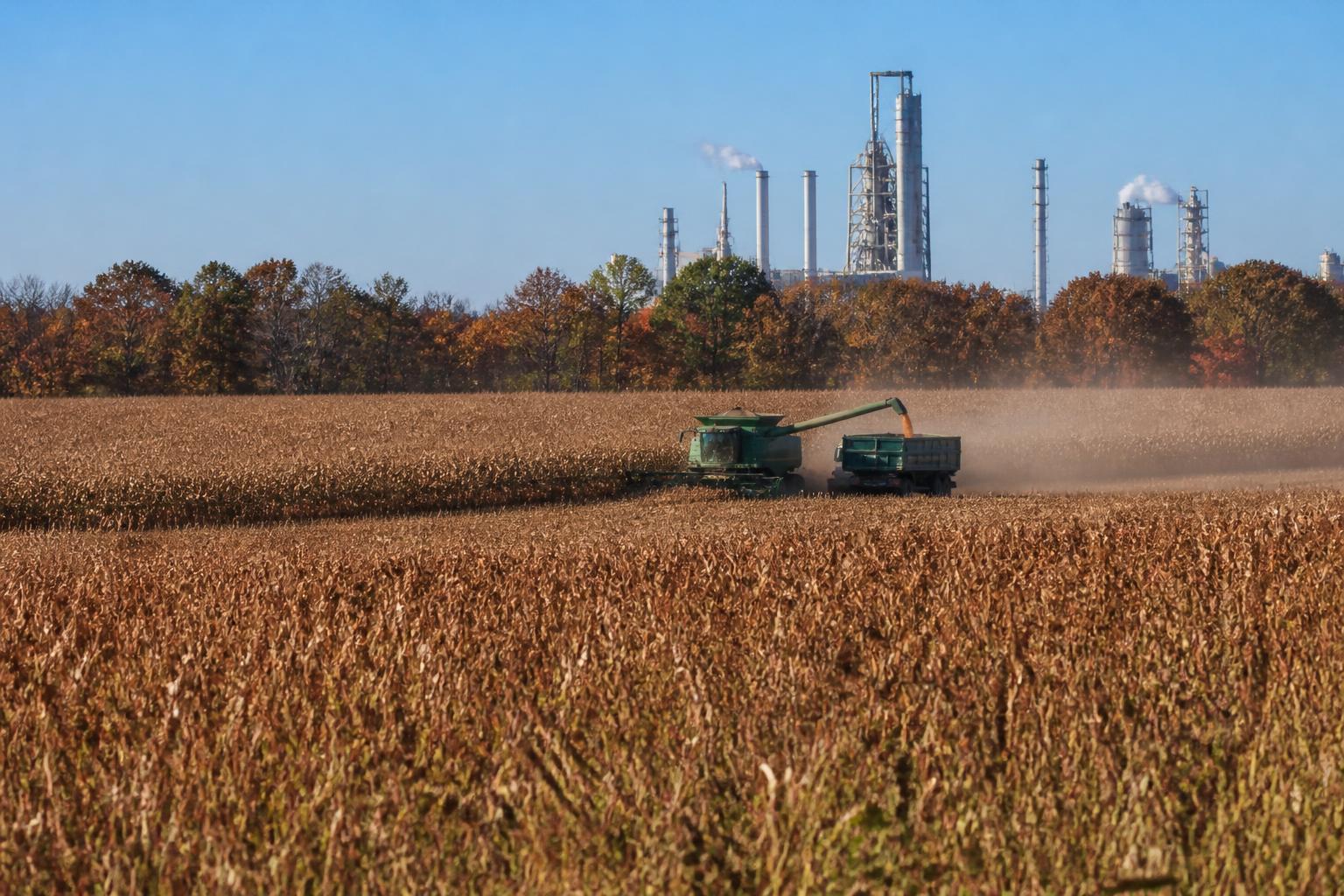
As we navigate the tail end of the fall season, Louisiana's agribusiness sector is witnessing key structural changes that could influence regional supply chain dynamics. Recent organizational updates at the Port of Greater Baton Rouge highlight a shift in leadership, an essential development for stakeholders monitoring Gulf export dynamics and the flow of commodities from the interior to global markets.
These leadership adjustments come at a time when export bids remain a focal point for regional grain handlers. Keeping a close watch on how these administrative transitions interact with ongoing logistics and rail consolidation efforts will be crucial for producers and elevator managers looking to maintain efficient throughput through the winter months.
Consolidation in the Ammonia Market
Beyond logistics, the state's agricultural input sector is undergoing a notable consolidation. A significant acquisition involving a major Louisiana ammonia plant has been finalized, representing a multimillion-dollar investment that may reshape regional fertilizer availability. For local farmers and input buyers, such changes in production capacity often ripple through the supply chain, potentially impacting costs and delivery timelines for essential crop inputs.
Understanding these shifts is vital for long-term planning, particularly as businesses look toward upcoming planting cycles. Monitoring how these larger corporate movements align with broader policy and industry research will help market participants stay ahead of potential supply fluctuations.
What it means for the market
The convergence of leadership changes at key export hubs and consolidation within critical input sectors underscores the need for localized agility. As export bids for commodities like corn and soybeans continue to fluctuate based on global demand, Louisiana agribusinesses should prioritize strengthening their logistics partnerships and closely tracking input supply stability to mitigate the impact of ongoing industry transitions.
Comments
No comments yet - be the first to share your take.