
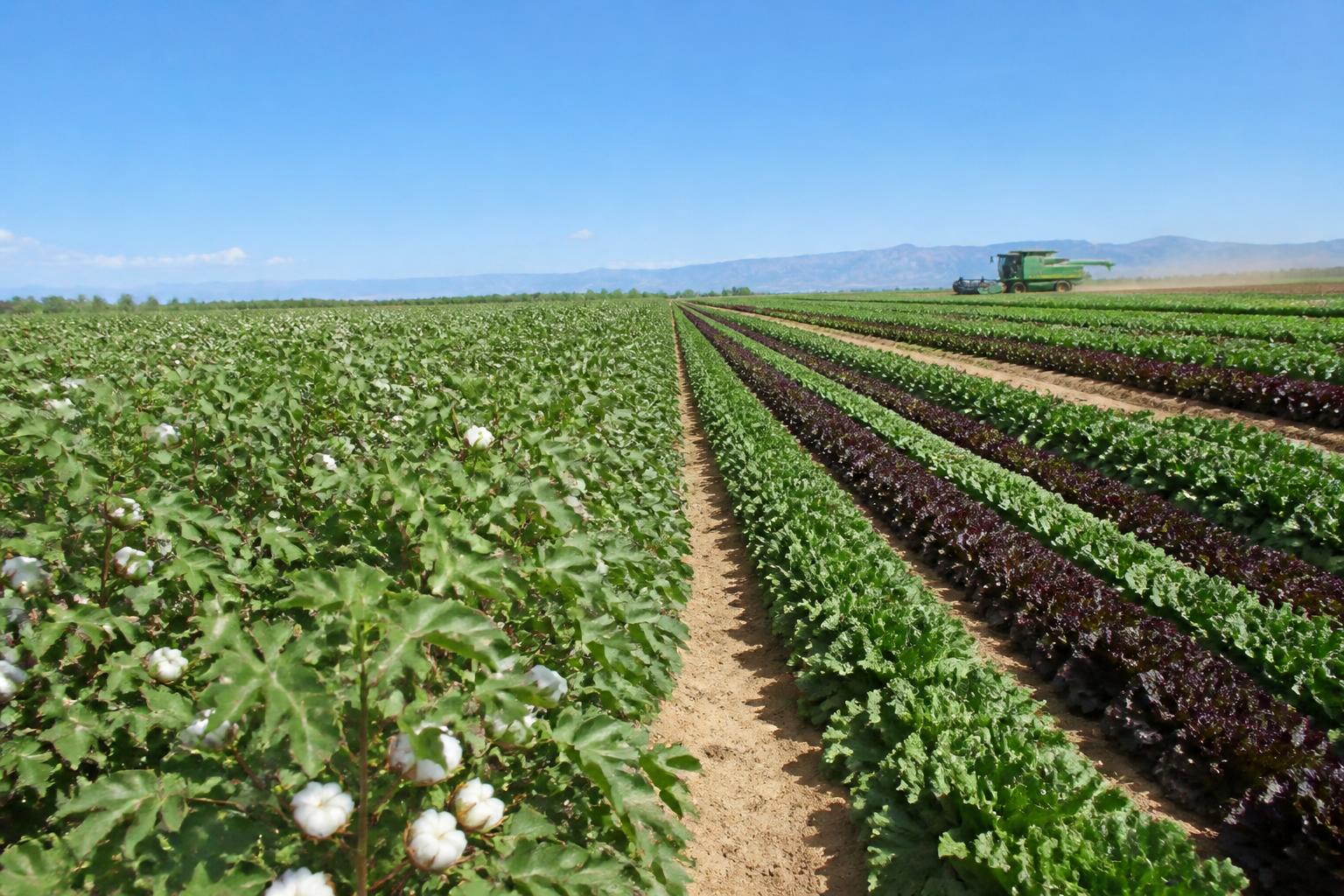
For New Mexico farmers, grain handlers, and input buyers, the summer season brings a complex matrix of pest management, chemical regulatory updates, and biosecurity protocols. Operating along a critical international boundary, agricultural stakeholders in the Land of Enchantment must constantly navigate both state-level agronomic challenges and shifting cross-border dynamics. From the fields of the Mesilla Valley to the research plots in the north, protecting crop yields and maintaining livestock health requires a proactive approach to regional threats.
Recent policy adjustments and transboundary pest pressures have forced agribusinesses to re-evaluate their management plans. Understanding how global trade decisions and localized conservation practices intersect is essential for maintaining supply chain resilience as summer temperatures rise across the state's diverse growing regions.
The Cross-Border Impact of Glyphosate and Chemical Policies
Chemical regulatory decisions in Mexico have a direct, cascading effect on Southwest crop management. For years, uncertainty surrounding agricultural inputs has complicated planning for producers who export to or share water systems with Mexico. Recent developments, including shifts in Mexico's stance on glyphosate bans, are bringing a sense of relief to regional farmers who rely on predictable weed-control tools for sustainable no-till systems.
This policy landscape has helped stabilize local input planning. Producers can better align their chemical applications with international export standards, avoiding market disruptions at the border. To explore how these international shifts interact with localized farm security, growers can review how border security and pest pressures shape regional crop protection strategies across New Mexico.
Southern Border Biosecurity and Livestock Protection
Pest protection in New Mexico extends far beyond weeds and crop-destroying insects. Biosecurity at the international border remains a paramount concern for livestock producers and mixed-farm operations. Recent alerts regarding cases of the New World screwworm near the U.S.-Mexico border have heightened vigilance among animal health officials and ranchers. Because this invasive pest poses a severe threat to warm-blooded animals, monitoring transboundary pathways is critical to preventing domestic outbreaks.
These livestock threats are closely linked to overall agricultural logistics. Ranchers and haulers must stay informed about changing inspections and transport requirements designed to intercept pests. For an in-depth look at these operational rules, see our guide on how summer regulatory and biosecurity measures impact transport corridors throughout the state.
Adaptive Management and Local Crop Conservation
In addition to chemical tools, New Mexico researchers and growers are focusing on adaptive agronomic practices to protect soil and moisture resources. At institutions like New Mexico State University's Sustainable Agriculture Science Center at Alcalde, researchers are exploring non-traditional crops that can thrive under dry conditions with minimal inputs. By diversifying crop rotations, farmers can naturally disrupt weed and pest cycles.
Meanwhile, in traditional growing regions, cotton industry organizations have rallied to maintain vital infrastructure, such as keeping the Las Cruces gin operational. Preserving local processing capacity is essential for regional economic health, especially as growers face elevated summer pest challenges and stringent quality standards that dictate market access.
Implementing tighter crop canopies and leaving more stubble in the field also assists in the transition to water-smart, no-till systems. These practices not only conserve precious groundwater but also create physical barriers that deter seasonal pest infestations.
Key Takeaways for New Mexico Agribusinesses
- Monitor border policies: Keep close track of chemical regulations and export standards to prevent cross-border friction.
- Enhance livestock biosecurity: Maintain high vigilance for unusual insect activity or wounds on livestock due to regional screwworm concerns.
- Leverage adaptive cropping: Utilize crop diversification, tighter canopies, and stubble retention to naturally mitigate summer weed and pest pressures.
- Support regional infrastructure: Rely on local processing and ginning networks to optimize logistics during active harvest seasons.
What it means for the market
For New Mexico's agricultural market, robust protection strategies are the cornerstone of profitability and supply chain reliability. As cross-border trade policies stabilize, growers can make more secure investments in seasonal inputs and conservation technologies. However, the persistent threat of invasive pests requires ongoing coordination between local producers, state extension offices, and federal border inspectors. Maintaining high standards of biosecurity and adaptive crop management will ensure that New Mexico products remain competitive in both domestic and international markets throughout the summer and beyond.
Comments
No comments yet - be the first to share your take.