
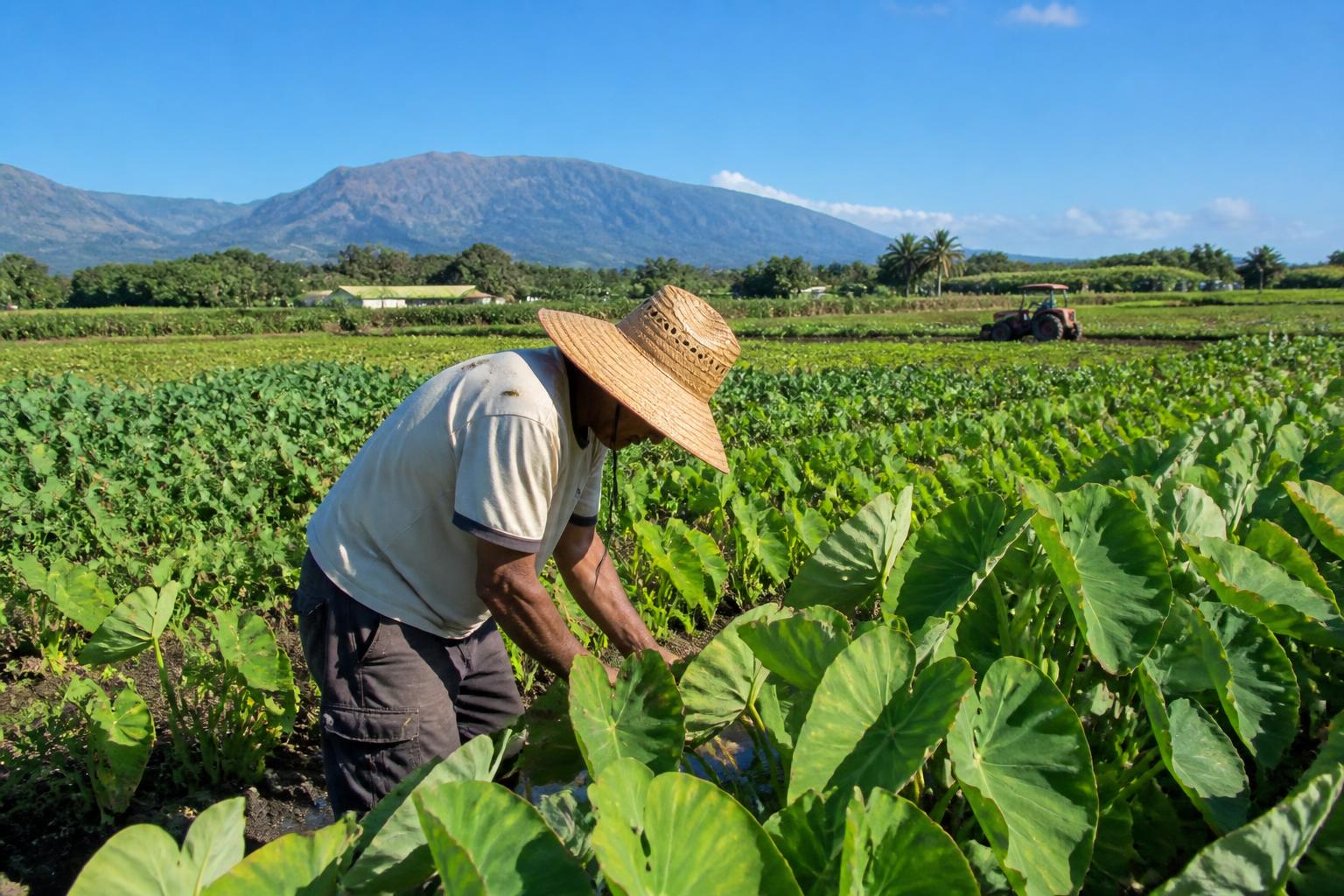
As the summer season progresses, Hawaii's agricultural sector is finding new ways to balance its rich plantation heritage with high-tech production methods. Operating within a unique island ecosystem means Hawaii growers must contend with isolated supply chains, high shipping costs, and diverse microclimates. To address these challenges, regional operations are increasingly relying on advanced agronomic expertise and precision agriculture to manage resources more efficiently.
From managing soil health to optimizing crop inputs, precision technology is helping local producers navigate the complexities of island logistics. This shift toward technical specialization is critical for maintaining Hawaii's position as a vital research hub for global seed development and local food security alike.
The Role of Precision Technology in Island Microclimates
Farming in Hawaii requires managing highly variable microclimates across relatively small geographic areas. Precision agriculture tools, such as GPS-guided machinery, variable-rate input applications, and localized climate data, allow growers to tailor their strategies county by county. Agricultural specialists, including those bringing advanced mainland training to Hawaii, are helping local farms implement these data-driven systems.
By utilizing precise mapping and soil diagnostics, operators can significantly reduce waste and optimize irrigation. This level of efficiency is particularly important during the summer months when water resources must be carefully managed. The goal is not only to increase yields but to do so with a lower environmental footprint, protecting the islands' delicate ecosystems while maintaining high output standards.
Securing Hawaii's High-Value Seed and Crop Sectors
The state has long been a critical site for parent seed development and agricultural research. Because of Hawaii's year-round growing season, major global crop science firms maintain research stations across the islands, deploying high-tech crop security measures to protect valuable research cycles. This technology-driven approach is essential for enhancing island-wide resilience through advanced crop management. This aligns with recent efforts to strengthen Hawaii grain and seed security, protecting the islands' high-value research sectors from external biological pressures.
Biosecurity and rigorous monitoring are necessary components of keeping Hawaii's seed industry viable. As global markets fluctuate, maintaining strict quality controls on the ground ensures that Hawaii-grown seeds remain competitive and safe for export. Furthermore, integrating local distribution models with high-tech tracking helps safeguard the local supply chain from disruptions, particularly as port logistics shift during peak summer shipping periods.
Key Takeaways for Hawaii Growers
- Input Optimization: Precision ag tools help mitigate high input costs by ensuring fertilizer and water are applied only where needed.
- Biosecurity Focus: Maintaining clean fields and utilizing high-tech crop security safeguards valuable seed-crop research from pests and diseases.
- Logistics Coordination: Local operations must coordinate closely with maritime freight schedules, navigating seasonal transport shifts. Growers can explore how these tech upgrades coincide with broader Hawaii summer ag logistics to optimize their marketing windows.
What it means for the market
For Hawaii's agribusinesses, the adoption of precision agriculture represents a critical step toward long-term viability and self-reliance. As shipping and logistical hurdles persist, the ability to produce more with fewer imported inputs is key to keeping local operations profitable. The integration of advanced agronomic data not only stabilizes the local food supply but also reinforces Hawaii's standing as a highly secure, sophisticated hub for international seed research during the summer season and beyond.
Comments
No comments yet - be the first to share your take.