
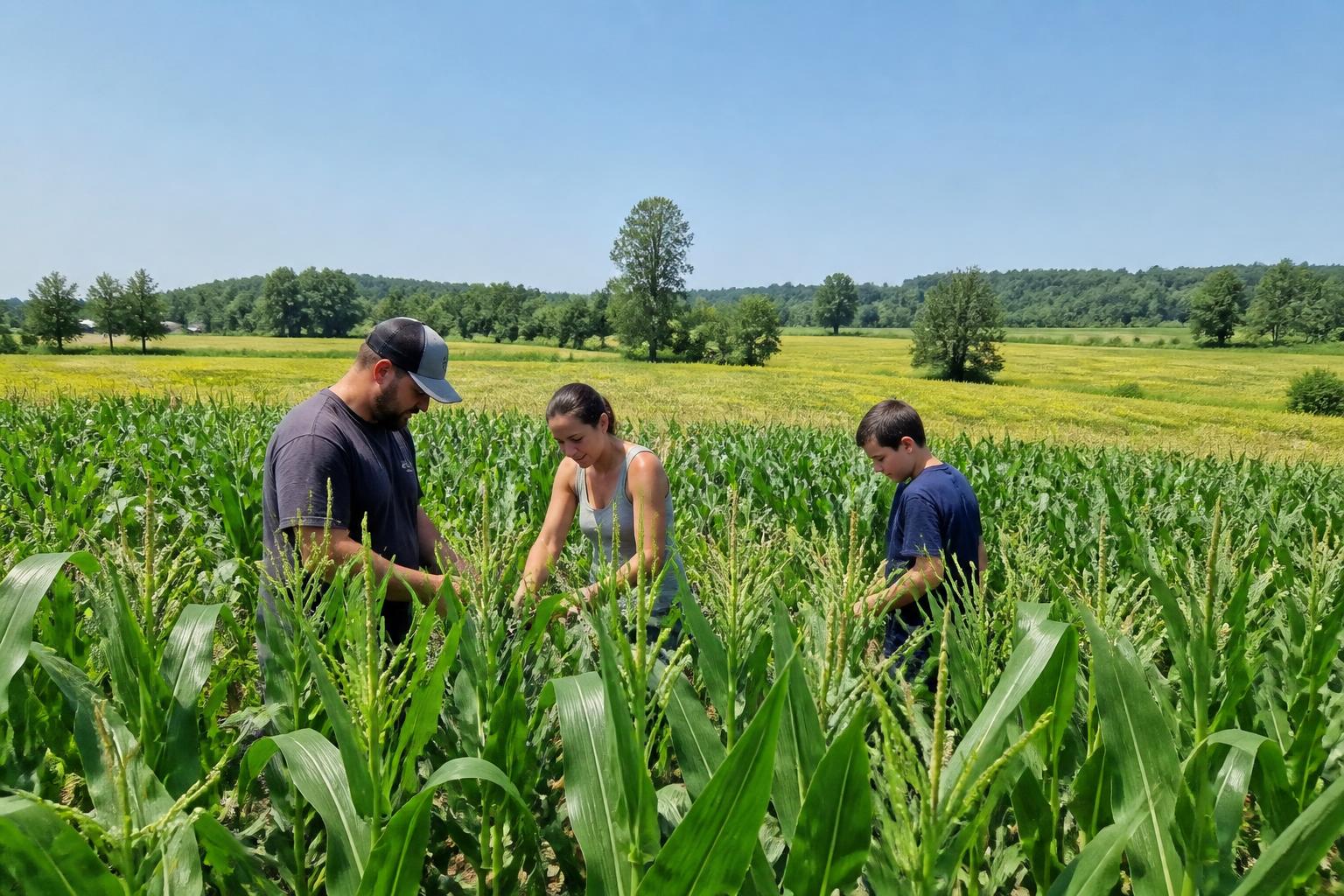
With the summer heat settling over the Arkansas Delta, grain producers and elevator operators are turning their focus to late-season crop maintenance and critical logistics planning. As fields of corn, rice, and soybeans progress through key reproductive stages under the late-June sun, securing on-farm storage capabilities and stabilizing supply chains are crucial steps for regional agribusinesses looking to protect their margins before the autumn rush.
For growers along the Mississippi and Arkansas River corridors, this season represents a delicate balancing act. Maintaining grain quality, managing input application windows, and securing transport pathways are top priorities. Producers are actively preparing facilities to handle early-maturing varieties, ensuring that drying systems and aeration fans are fully operational to handle incoming volumes smoothly.
On-Farm Grain Drying and Quality Management
Proper on-farm grain drying and aeration remain the first line of defense against summer spoilage and dockage at the elevator. Arkansas corn and rice crops often mature under humid conditions, making immediate moisture control essential. Experts emphasize that cleaning bin floors, checking fan belts, and calibrating moisture meters must occur well ahead of harvest. Proper management of air-flow rates helps prevent hot spots in storage bins, preserving the test weight of early-harvested grain.
Producers like those in the Stuttgart and Arkansas County regions, long known for pioneering intensive rice and grain production practices, understand that summer preparation directly impacts fall profitability. Implementing precise drying schedules and monitoring temperature cables inside modern bins allows farmers to store grain longer, providing them with the flexibility to bypass harvest-time market dips and deliver when river logistics are most favorable.
Crop Protection and Regional Input Expansions
Protecting yield potential during the summer requires a proactive approach to weed and disease management. Growers across the state, such as those utilizing specialized disease-shielded corn hybrids to mitigate late-season leaf blights, are keeping a close watch on regional pest pressures. At the same time, navigating chemical application guidelines is key, especially during summer crop protection cycles where drift and timing are heavily scrutinized in Delta counties.
On the supply side, regional input manufacturing is expanding. Gowan's acquisition of a crop protection chemical production facility in Blytheville, Arkansas, represents a major step forward for local formulation and distribution. Having physical formulation capacity within the state helps stabilize the supply chain for essential crop protection tools, offering Southern growers more reliable access to chemistry when weather-driven pest or weed outbreaks require rapid response.
Navigating Delta Logistics and River Transport
The efficiency of moving grain from Arkansas fields to export terminals relies heavily on the state's river networks and processing infrastructure. Expansion at key riverside handling facilities continues to reinforce the dominance of bulk grains in regional commerce. However, to keep these terminals operating at peak efficiency, local elevators must coordinate closely with barge operators, especially when managing river port shifts and shipping delays that can back up local delivery points.
Maintaining strong relationships with state agricultural organizations also supports logistics and advocacy. With local leadership transition, including Stuttgart-native appointments to key Farm Bureau posts, regional agricultural interests are well-positioned to address ongoing infrastructure challenges, from lock-and-dam maintenance to weight limits on rural transport roads.
Key Takeaways for Arkansas Growers
- Inspect Drying Systems Now: Ensure bin fans, heaters, and handling augers are fully serviced before harvest starts to avoid costly downtime.
- Monitor Field Conditions: Keep scouting for late-season diseases in corn and rice, using targeted applications to protect grain fill.
- Coordinate Hauling Schedules: Stay in regular communication with local river ports and inland elevators to gauge storage availability and vessel loading timelines.
What it means for the market
The Arkansas grain market this summer is defined by preparation and systemic efficiency. As local crop protection manufacturing expands in the north and grain handling facilities grow along the river networks, Delta growers are gaining access to more robust supply and marketing channels. By prioritizing on-farm grain conditioning and coordinating logistics early, Arkansas producers can successfully mitigate harvest-time bottlenecks and capture stronger local basis opportunities.
Comments
No comments yet - be the first to share your take.