
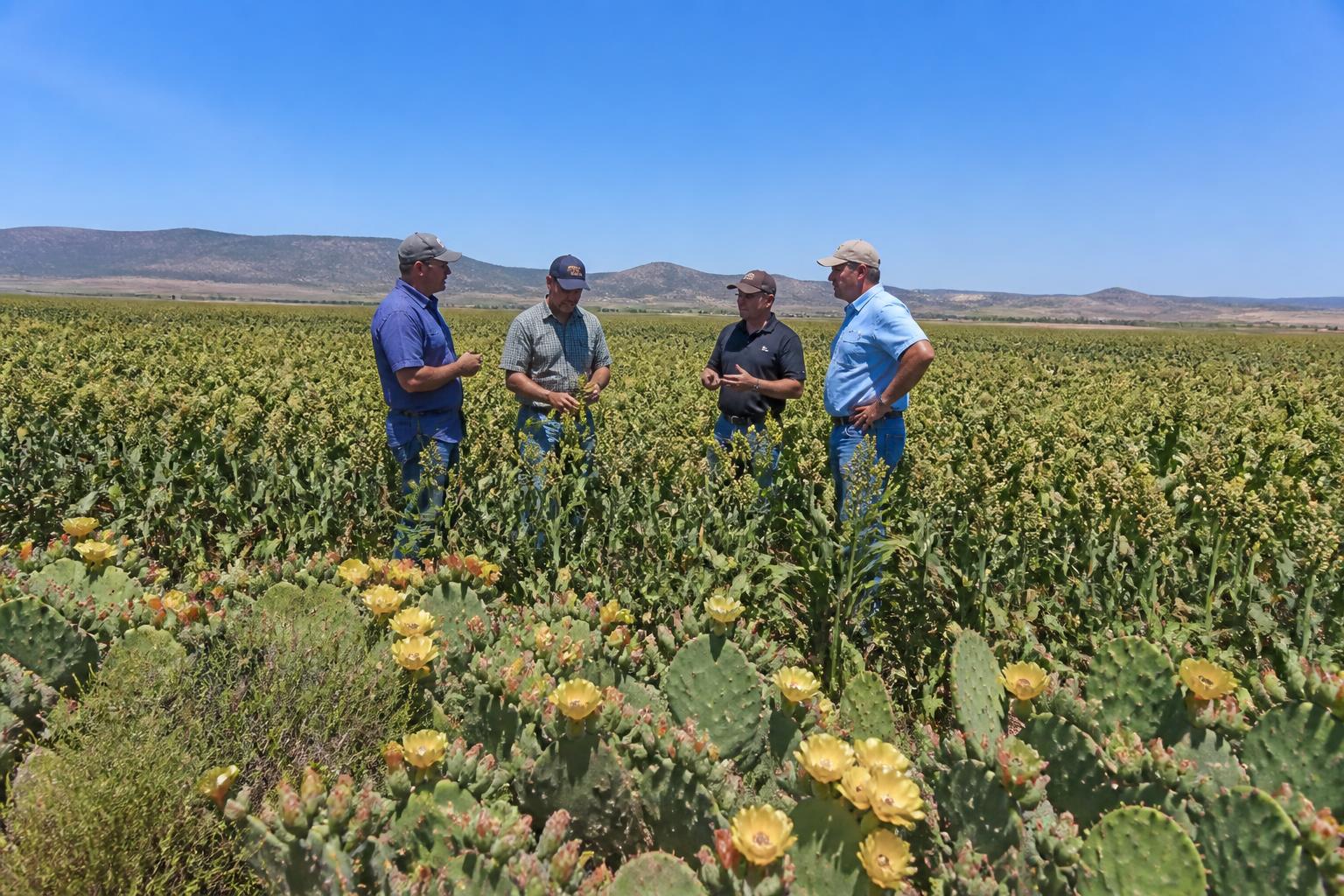
In the heart of the dry summer season, Nevada's agricultural sector faces its annual trial by heat and aridity. As the driest state in the nation, Nevada requires producers to maintain an exceptionally high standard of vigilance. Protecting both livestock herds and crop yields under the intense June sun demands a mix of traditional rangeland management, cutting-edge university research, and community-wide biosecurity initiatives.
From the high-desert valleys of northern Nevada to tribal agricultural lands across the state, local stakeholders are actively coordinating to mitigate risks. Whether preparing for potential animal disease outbreaks or developing climate-resilient feed sources, the focus this season is firmly on safeguarding the state's diverse agricultural assets.
Strengthening Animal Disease Preparedness in Tribal Communities
Livestock operations are the backbone of many rural and indigenous economies in Nevada. To shield these valuable herds from biological threats, the University of Nevada, Reno (UNR) has partnered with Nevada Tribal communities to enhance animal disease preparedness. This collaborative outreach focuses on establishing robust biosecurity protocols, recognizing early signs of infectious diseases, and creating rapid-response frameworks tailored to remote geographic areas.
Local livestock production is also getting a boost from targeted research funding. Events like the regional Nevada ram and ewe sales continue to support ongoing animal science research, helping producers source genetically resilient breeding stock. By prioritizing disease readiness and herd health, local ranchers can better protect their operations from market disruptions and sudden quarantine restrictions.
Water Scarcity and Innovative Crop Protection
With water supplies constantly under pressure, Nevada growers are looking for ways to protect their acreage without exhausting limited irrigation resources. Researchers at UNR are actively helping farmers navigate these water challenges by studying low-water crop alternatives and advanced soil management techniques. Traditional synthetic fertilizers and heavy irrigation are increasingly being balanced with highly targeted, resource-efficient inputs.
Among the most promising developments for high-desert producers is the breeding of new sorghum varieties. Engineered to serve as high-quality dairy feed and gluten-free grain, these drought-tolerant crops require significantly less water than traditional alfalfa or corn. Furthermore, Nevada's unique microclimate demands specialized crop protection strategies, building on established organic certifications and biological controls that shield high-desert yields from seasonal pests without degrading fragile soils.
Key Protection Priorities for Nevada Producers
- Biosecurity Education: Expanding animal disease response networks, particularly within tribal and remote ranching communities.
- Drought-Resilient Varieties: Adopting water-efficient crops like specialized sorghum to secure local dairy feed supplies.
- Targeted Inputs: Integrating soil-mapping technologies and micropeptide-based crop protection to optimize inputs under dry summer conditions.
What it means for the market
For Nevada's agricultural marketplace, proactive protection measures are vital to maintaining stable asset values and securing feed supplies for local dairies and livestock operations. As the state implements new regulatory standards - such as the transition toward cage-free egg production - and continues to battle persistent water limitations, farm-level resilience will dictate profitability. Producers who invest in biosecurity and water-saving crop varieties this summer will be best positioned to withstand seasonal volatility and safeguard their bottom lines heading into the fall harvest.
Comments
No comments yet - be the first to share your take.