
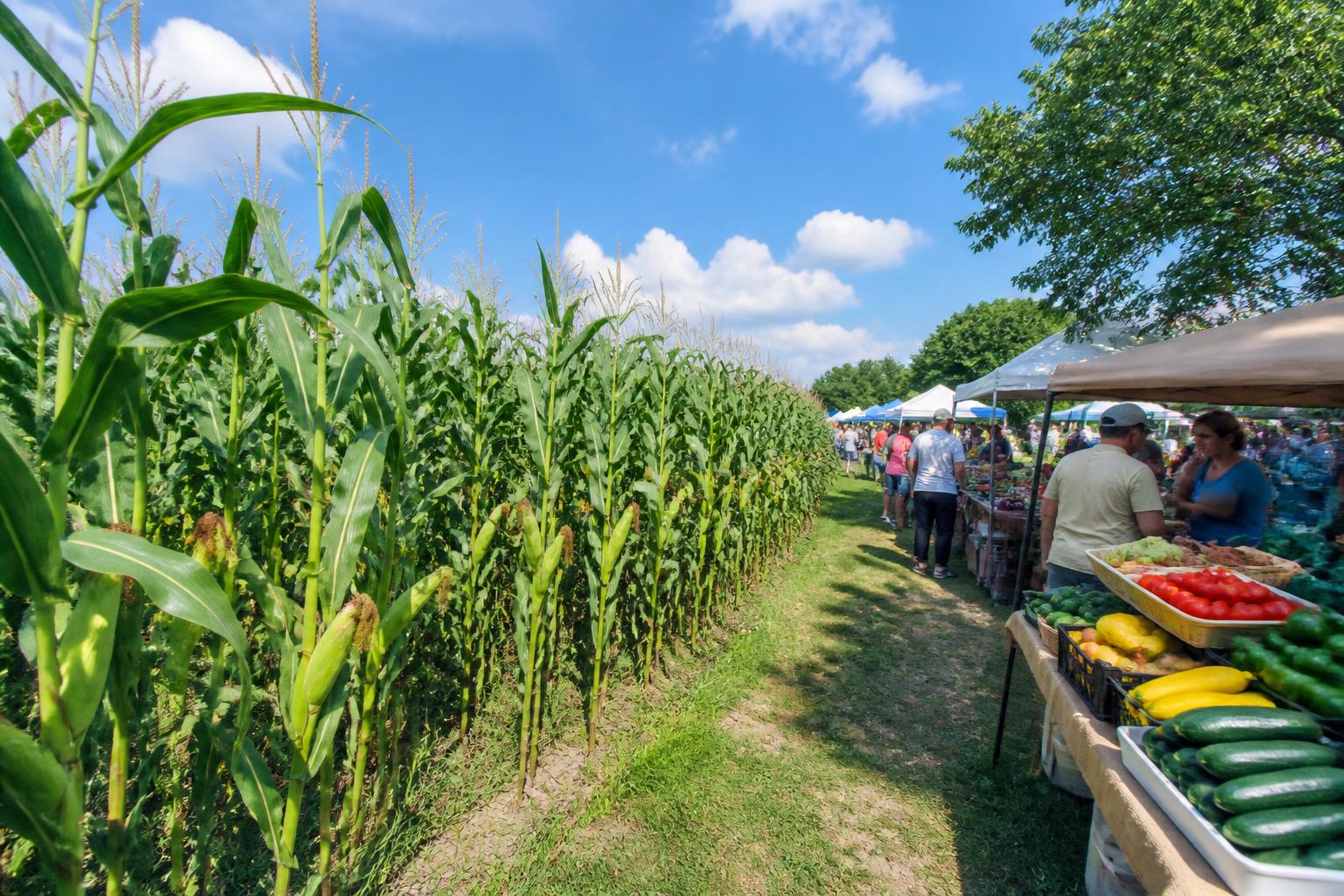
Summer in Upstate New York brings both the rush of seasonal field operations and the critical window for securing grain marketing contracts. For New York grain producers in key growing regions like the Finger Lakes and Western New York, local cash prices remain closely tied to a complex mix of global logistics shifts, geopolitical trade chokepoints, and regional transportation dynamics. As global trade routes face ongoing risks, local grain handlers must keep a close eye on both international shipping corridors and domestic freight capacity.
Global Shipping Friction and Local Grain Prices
Local grain elevators and feed mills from Batavia to Seneca County are directly impacted by volatility in global trade corridors. Analysts often warn that disruptions in key marine corridors, such as the Black Sea or the Strait of Hormuz, can rapidly shift commodity flows and send ripples through the CME Group futures markets. While New York is not always the primary origin for massive export vessels, international price spikes heavily influence local cash bids for corn, wheat, and soybeans.
For dairy farmers and livestock producers throughout the state, these global shifts dictate the cost of feed. When international logistics tighten, regional feed costs can rise quickly, squeezing margins for New York's prominent dairy sector. To mitigate these swings, many growers look to diversify their risk by planning structured sales through local elevators. It is often beneficial for producers to explore options to sell grain in New York during seasonal price rallies to lock in predictable returns.
Summer Logistics and Regional Infrastructure
Moving grain across New York during the busy summer months presents unique logistical challenges. Heavy seasonal traffic on major agricultural corridors like Interstate 90 and Route 20 can create regional bottlenecks. Additionally, infrastructure capacity remains a critical focal point for agricultural advocates and state planners working to streamline regional distribution.
Recent state initiatives have highlighted the importance of robust regional supply chains. In particular, enhancing transport efficiency can help bridge the gap between upstate production hubs and downstate consumer markets. Navigating these summer logistics successfully requires close coordination with local freight networks. For more details on how regional partnerships are shaping local transport, growers can read about New York Ag Logistics: Local Freight Partnerships and Infrastructure Funding Reshape Summer Deliveries.
Marketing Strategies Amid Volatility
Given the unpredictable nature of global trade and domestic logistics, New York growers are increasingly adopting proactive marketing strategies. Utilizing a mix of forward contracting, hedging, and on-farm storage allows producers to avoid being forced to sell during post-harvest price dips. Furthermore, keeping input costs and regulatory guidelines in mind remains vital as summer progresses. To plan effectively, farm managers can consult the latest New York Ag Market Brief: Navigating High Input Costs, Regulatory Updates, and Summer Marketing Strategies.
What it means for the market
For the New York grain market, the current environment demands a high level of agility. With global supply corridors remaining sensitive to geopolitical friction and regional transport infrastructure constantly evolving, static marketing plans are no longer sufficient. Local growers who monitor global shipping trends, maintain flexible logistics partnerships, and utilize diverse marketing tools will be best positioned to protect their margins through the remainder of the summer season.
Comments
No comments yet - be the first to share your take.