
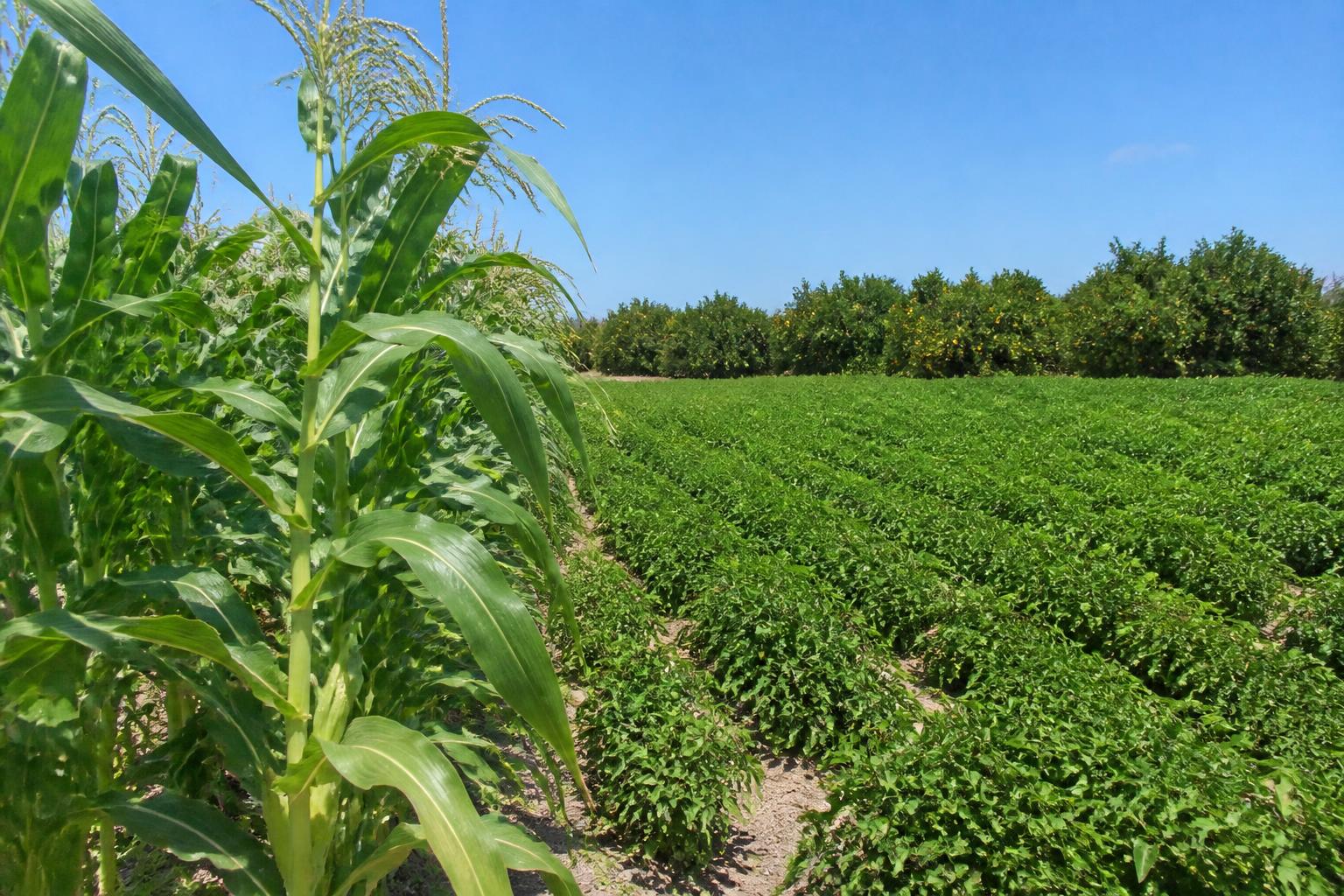
Summer in Florida brings both opportunity and anxiety for the local agricultural sector. As grain markets react to shifting crop futures, regional agribusinesses are closely watching developments from logistics corridors in Jacksonville to peanut fields in North-Central Florida. Farmers and feed buyers are adjusting their strategies to secure summer supply chains while facing policy uncertainties that could reshape local cropping decisions.
Corn Futures and the Local Feed Market
Recent optimism in national corn futures is rippling through regional grain and livestock feed networks. In Florida, where livestock operations depend heavily on steady grain shipments, navigating these pricing fluctuations is a top priority. To lock in stable contracts, local buyers are actively tracking grain buyers, sellers and prices in Florida to optimize their procurement. For crop growers and dairies alike, keeping feed costs manageable is essential during the high-demand summer months, when heat stress can impact animal performance and increase nutritional requirements.
Logistics Expansions Near Jacksonville Port Corridors
Transporting grain and agricultural inputs requires robust regional infrastructure. Jacksonville continues to emerge as a critical hub, with municipal reviews underway for new permits, including an IPEX facility within the Florida Gateway Logistics Park. This expansion of logistics capacity near major interstate intersections like Interstate-10 and Interstate-95 typically eases freight pressure for agricultural distributors moving goods throughout the Southeast.
Streamlining transport hubs can help address some of the long-standing transport challenges outlined in the discussion on Florida Summer Ag Market: Input Pressures and Logistics Reshape Feed and Grain Channels. Improved regional transit routes may also help lower the freight basis for grains moving into the peninsula from the Midwest.
Farm Bill Uncertainties Impacting Florida Peanuts and Field Crops
While some growers benefit from positive grain market signals, the regional peanut industry is facing severe headwinds. Many local advocates warn that proposed adjustments to the federal Farm Bill could significantly disrupt the regional peanut economy. Peanut farming, concentrated in counties surrounding Gainesville and across the Panhandle, relies heavily on stable safety-net programs.
Significant policy shifts risk forcing some growers to reconsider their summer planting rotations, potentially shifting acreage toward other field crops or sweet corn. These policy concerns align with broader trends highlighted in the Florida Grain and Sweet Corn Outlook: Weather Setbacks and Real Estate Pressures Constrain Summer Supplies.
Key Takeaways for Florida Producers
- Corn Market Dynamics: Rising optimism in corn futures is prompting feed buyers to lock in summer contracts early to mitigate price spikes.
- Infrastructure Upgrades: The development of the Florida Gateway Logistics Park in Jacksonville represents long-term relief for regional agrologistics.
- Policy Headwinds: Peanut growers near Gainesville and the Panhandle face crucial decisions as Farm Bill negotiations threaten existing support programs.
What It Means for the Market
For Florida grain handlers, feed manufacturers, and crop producers, the early summer market demands a dual focus on logistics and legislative developments. The combination of optimistic corn futures and expanding logistics infrastructure in Jacksonville offers avenues to optimize feed supply chains. However, local operators must remain cautious, hedging against potential policy disruptions in the peanut sector and monitoring how regional freight developments impact final delivery costs.
Comments
No comments yet - be the first to share your take.