
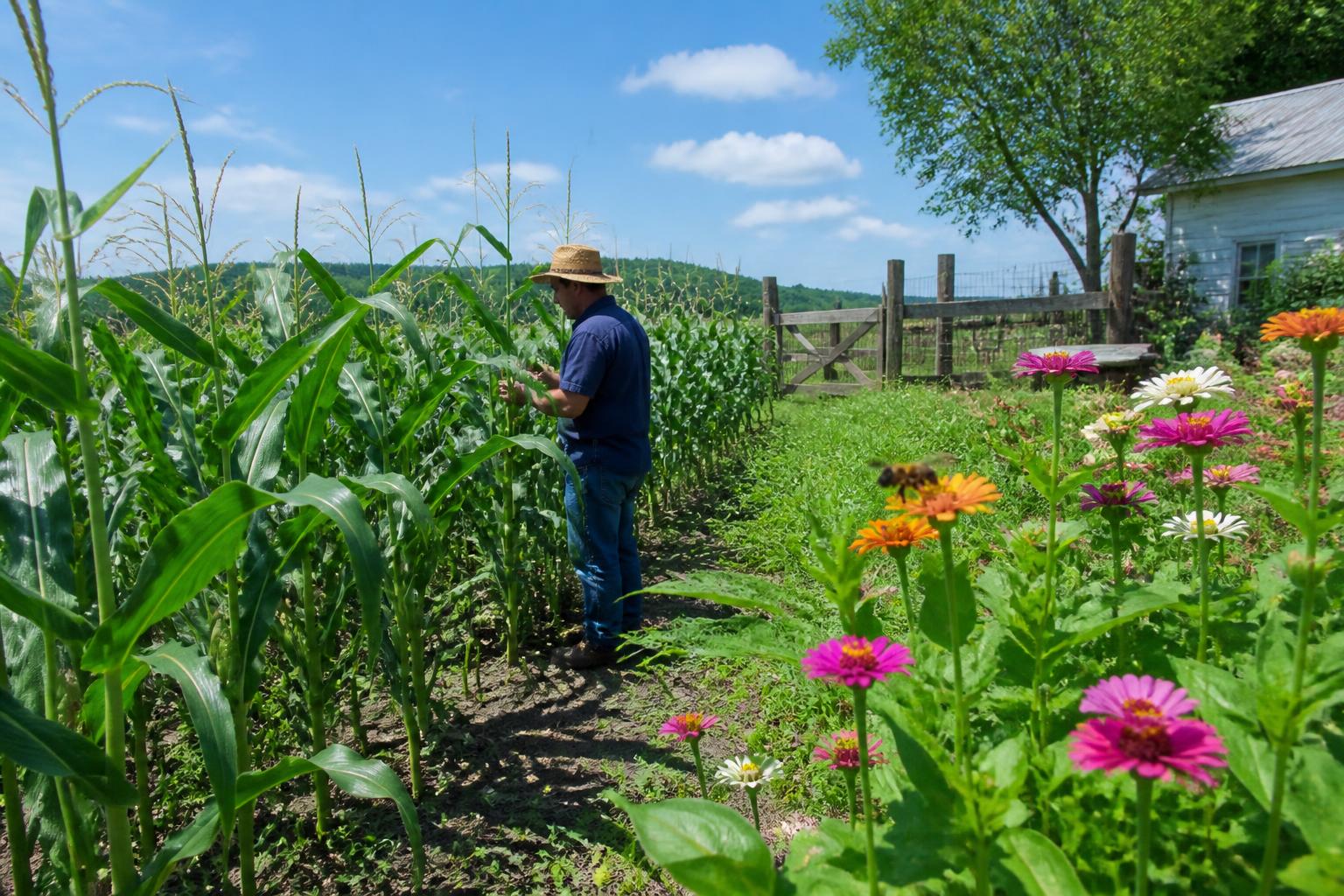
As summer settles over the Ohio Valley, Kentucky growers are facing a dual front in crop protection. State agricultural officials and customs agents are urging heightened vigilance against external biosecurity threats, while local insect monitoring networks report a seasonal rise in destructive crop pests across central and western Kentucky counties.
For agribusinesses and grain handlers, maintaining strict biosecurity and proactive scouting protocols is vital to protecting yield potential and grain quality as the growing season progresses. Proactive management remains the best defense against both invasive species and native pests alike.
Biosecurity Warnings: Unsolicited Foreign Seeds and Packages
Federal and state authorities, including customs officials in Louisville, have issued warnings regarding unsolicited foreign packages containing seeds and other unidentified materials. These packages, often arriving unexpectedly in mailboxes, present a serious threat to local farming communities. Agricultural officials warn that planting or improperly discarding unsolicited seeds could inadvertently introduce invasive plant species, noxious weeds, or devastating plant pathogens into the local ecosystem.
Kentucky agricultural leaders advise anyone who receives an unsolicited package containing seeds or unknown agricultural materials to keep the items in their original packaging and immediately contact the state department of agriculture or local extension office. Proper containment and disposal are critical to preventing potential outbreaks that could disrupt regional crop production and trade.
Rising Insect Pressures: Corn Borers and Armyworms
On the insect front, seasonal monitoring indicates that pest activity is ramping up. Traps across key grain-producing areas in Kentucky have registered an increase in southwestern corn borer flights. Additionally, fall armyworm moths have been actively captured, signaling that field crops and forages could soon face heightened feeding pressure from destructive larvae.
Southwestern corn borer populations can cause severe lodging and physiological damage to corn stalks if left unchecked, while fall armyworms are notorious for rapidly defoliating crops. Proactive scouting and integrated pest management are crucial during this period, especially as growers also monitor disease developments like frogeye leaf spot and pest pressures brought on by seasonal heat. Farmers should closely examine late-planted corn and grass pastures for signs of early larval feeding.
Key Takeaways for Kentucky Producers
- Report Unsolicited Packages: Never plant or open unsolicited foreign seeds. Contact local agricultural extension agents or state regulators immediately.
- Scout Grain Fields Early: Monitor corn for egg masses and early feeding damage from southwestern corn borers, particularly in late-planted fields.
- Watch Forage Crops: Check pastures and hay fields regularly for fall armyworm larvae to prevent rapid defoliation.
What it means for the market
The combination of biosecurity risks and active pest pressure highlights the need for rigorous input planning and crop protection strategies in Kentucky. While the threat of unsolicited seeds remains a localized biosecurity management issue, widespread insect pressure could necessitate targeted insecticide applications, raising production costs. Maintaining crop health through these mid-summer challenges is essential for preserving local grain quality and ensuring that regional logistics hubs and grain elevators handle a clean, high-yielding harvest.
Comments
No comments yet - be the first to share your take.