
As the summer of 2026 progresses, Iowa agribusinesses and logistics providers are adjusting to shifting crop dynamics and evolving transport infrastructure. Mid-June rail car loading data for major carriers, including BNSF, Union Pacific, and CPKC, highlights the steady movement of grain even as long-term acreage forecasts begin to reshape storage and shipping demands across the Corn Belt.
For Iowa grain handlers and carriers, navigating these summer logistics requires a keen understanding of both physical transport capacity and localized input demands. To stay ahead of regional logistics challenges, operators are increasingly focusing on Iowa's expanding input infrastructure and logistics capabilities to streamline operations before the fall harvest rush.
Rail Capacity and the Evolving 2026 Acreage Mix
Recent rail carrier data for the week ending June 19, 2026, shows active grain transport patterns across the Midwest, driven by export demands and domestic processing needs. Rail networks like BNSF, Union Pacific, and CPKC remain the primary arteries for moving Iowa grain to coastal ports and southern corridors. However, transportation planners are already adjusting their long-term strategies due to shifts in crop selection.
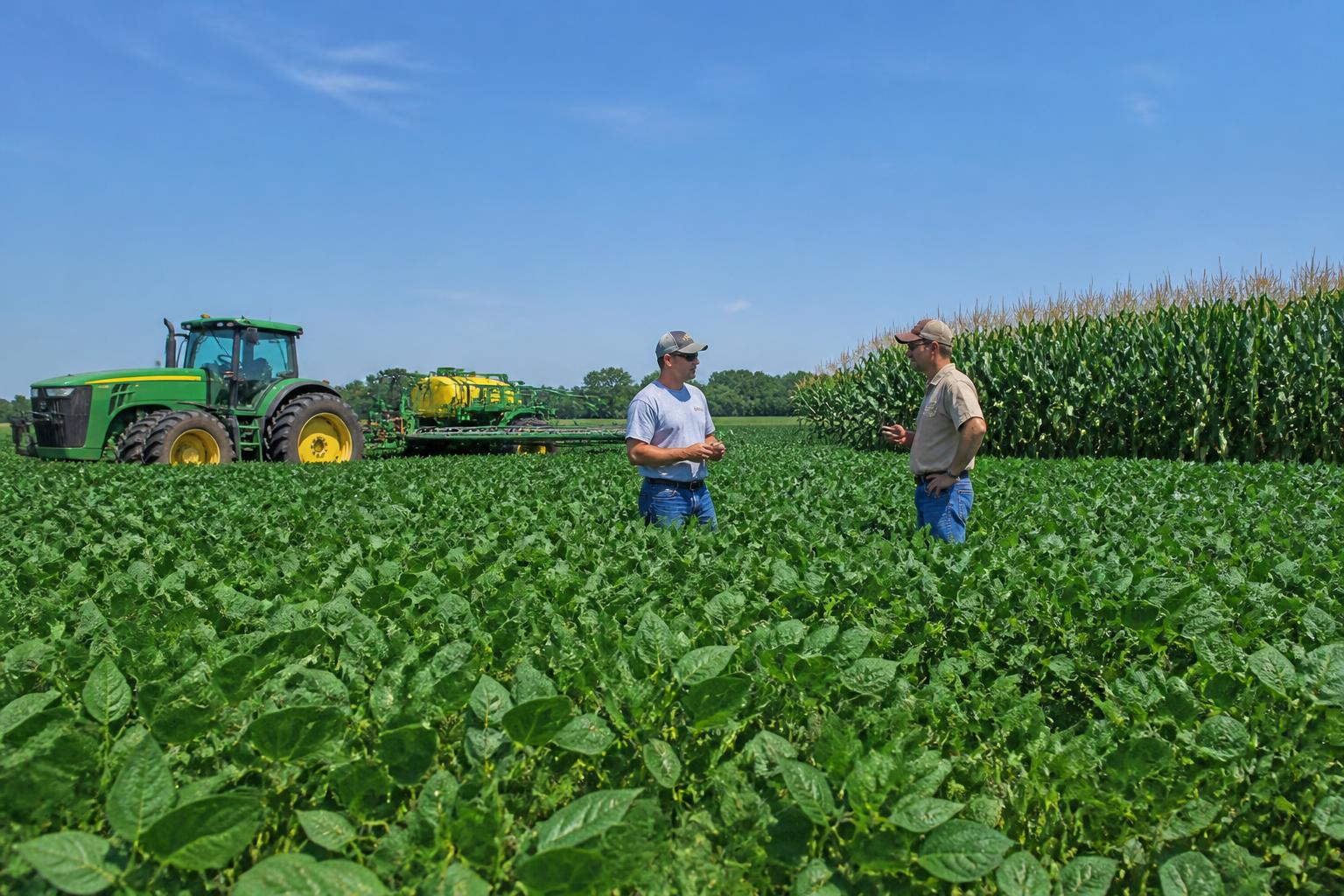
The USDA forecasts that Corn Belt farmers will plant fewer corn acres and increase soybean acreage in 2026. This shift in the crop mix will directly impact storage demands and transport volumes. Soybeans generally require different handling timelines and target different export destinations compared to corn. Elevators and cooperative managers along key Iowa corridors, such as Interstate 80 and Interstate 35, are preparing for a potential rebalancing of their storage space to accommodate a larger share of oilseeds this coming fall.
Strengthening Specialty Logistics and Input Storage
Beyond bulk grain transport, the logistics of agricultural inputs are undergoing significant structural changes. The recent acquisition of North American Warehouse Company by The Integration Group marks a significant expansion of specialty logistics and hazardous materials storage capabilities in the Midwest. This development is particularly important for Iowa, where timely delivery of crop protection products and fertilizers is critical to managing crop stress during the hot summer months.
With consolidation continuing across the input supply chain, highlighted by major industry deals like Koch's completed acquisition of a 3.6-billion-dollar fertilizer plant, reliable and secure warehousing has become a top priority. Iowa custom operators and retailers rely on these regional hubs to ensure that herbicides, fungicides, and nutrients are available exactly when needed. Secure, specialized transport is also crucial for managing summer crop protection delivery, especially as regional outbreaks of diseases like tar spot require rapid response from local applicators.
Technology and Supply Chain Resilience
As logistics networks face pressure from both weather anomalies and shifting trade corridors, agribusinesses are looking to modern supply chain management and technology to build resilience. Global forums and research highlight the growing role of artificial intelligence and digital tracking tools in reducing food loss and optimizing transport routes. From real-time rail car tracking to predictive scheduling for truck fleets, technology is helping carriers minimize idle times and empty backhauls.
In Iowa, where the cost of custom farming and local transport remains top-of-mind for producers planning their budgets, these digital efficiencies can help stabilize shipping rates. Better logistical visibility helps logistics providers manage seasonal truck shortages and coordinates movement between farm-gate storage, local elevators, and regional processing facilities.
Key Takeaways for Iowa Agribusinesses
- Track Rail Capacity: Monitor weekly loading trends from BNSF, Union Pacific, and CPKC to gauge regional transport availability.
- Prepare for Soybean Shifts: Adjust elevator space and logistics contracts to handle a higher volume of soybeans relative to corn this year.
- Leverage Regional Warehousing: Utilize expanded Midwest specialty storage hubs to secure chemical and nutrient inputs ahead of seasonal application windows.
What it means for the market
For Iowa's agricultural market, the combination of shifting crop acreage, consolidated input manufacturing, and expanded specialty warehousing underscores the need for proactive logistics planning. With fewer corn acres expected, bulk freight demand may see minor adjustments, but the pressure to move inputs and manage high-value specialty products securely remains intense. Iowa grain buyers, sellers, and transport carriers who secure freight commitments early and leverage integrated regional logistics networks will be best positioned to protect their margins through the remainder of the summer season.
Comments
No comments yet - be the first to share your take.