
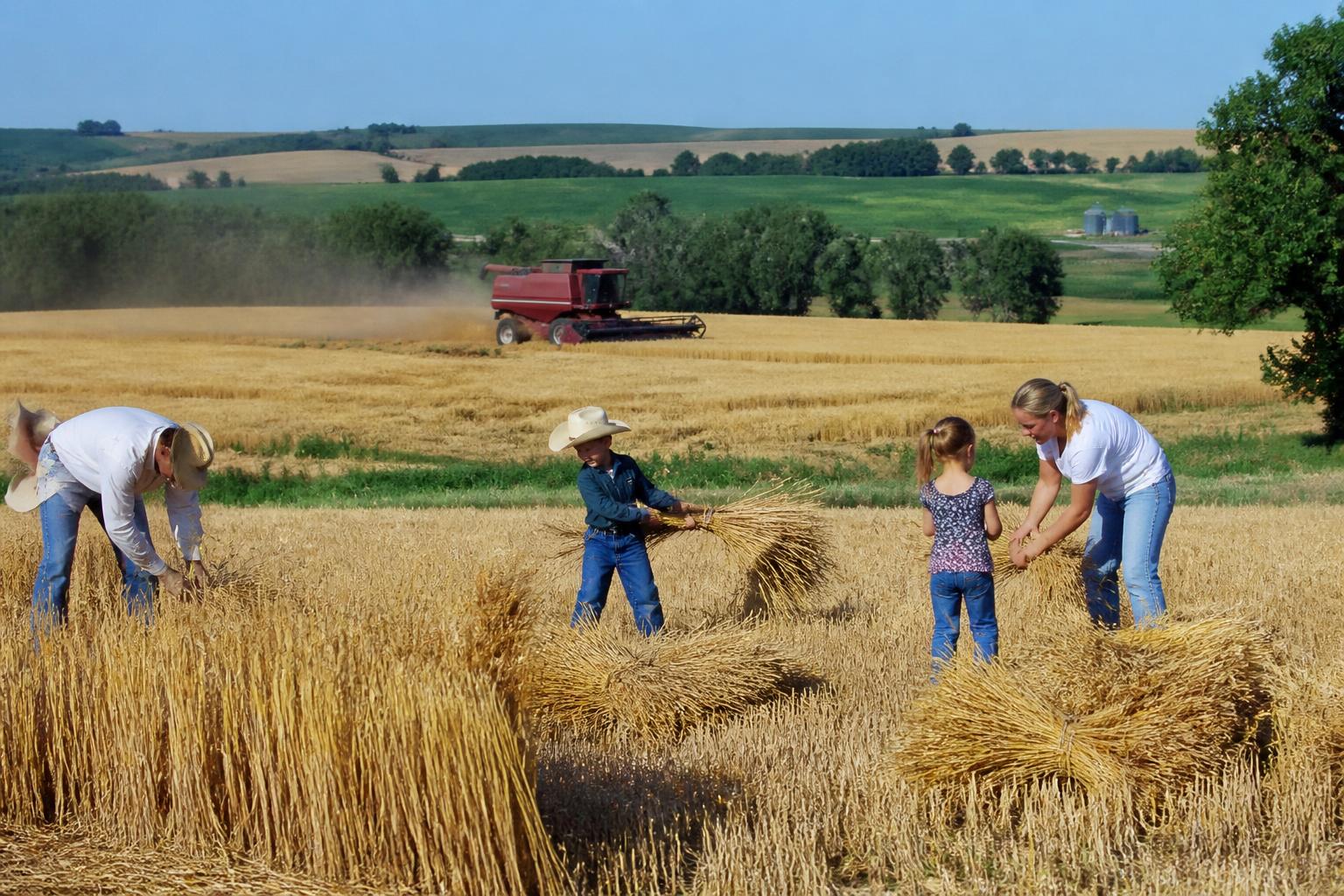
As the summer harvest progresses across Kansas, grain handlers and growers are confronting a challenging mix of severe storage constraints and volatile operating costs. With grain bins filling rapidly, some regional operators are finding themselves with no remaining indoor space. This extreme local elevator congestion has forced some operations in the broader grain belt to resort to dumping wheat directly onto open-air ground lots and parking facilities, intensifying the urgency for rapid, efficient crop transport.
For Kansas producers, managing this storage crunch requires keeping a close eye on regional shipping corridors, including major rail and trucking routes. The intense demands on regional elevators highlight the critical need for proactive marketing strategies and secure logistics planning.
Silo Overflows and Regional Shipping Constraints
With massive volumes of winter wheat hitting the market, storage deficits are emerging as a primary bottleneck. When local elevators run out of vertical bin space, grain must either be piled on the ground-exposing it to weather risks-or transported immediately to secondary terminals. This strain on physical infrastructure makes transportation logistics a high-priority concern for commercial elevators and independent producers alike.
These bottlenecks are prompting operators to seek alternative shipping solutions. Growers are actively managing intense summer shipping pressures by coordinating more closely with regional carriers and commercial hubs to prevent local backup at the dump pits. Meanwhile, representation on key federal bodies, such as Representative Sharice Davids serving on both the House Transportation and Infrastructure and the House Agriculture Committees for the 119th Congress, keeps the spotlight on agricultural logistics and rural infrastructure needs at a policy level.
Input Price Shocks Loom Over Kansas Fields
Adding to the stress of crop storage is a warning from Kansas State University economists regarding potential fuel and fertilizer price shocks. High energy costs threaten to erode profit margins precisely when fuel consumption peaks during harvest and early tillage cycles. Growers are advised to review their input procurement timelines and lock in energy prices where feasible to shield operational budgets from sudden spikes.
In places like Stafford County, local agricultural service providers are emphasizing customized, high-touch services to help growers optimize their input usage. Precision application and community-focused retail relationships are becoming essential tools for weathering high input volatility.
Administrative and Security Risks on the Rise
Operational challenges this season are not limited to physical grain and fuel. Agricultural business experts are also pointing to a rise in farmland title fraud, which poses a quiet but dangerous threat to landowners. Sophisticated schemes targeting remote landowners and generational family farms underscore the importance of securing property records, monitoring land titles, and working with trusted local legal and banking partners.
Key Action Items for Kansas Agribusinesses
- Audit Storage Capacity: Secure alternative temporary storage solutions or coordinate commercial delivery schedules well ahead of combining.
- Monitor Input Prices: Work with fuel and fertilizer suppliers to evaluate prepay contracts or hedging programs to mitigate projected cost shocks.
- Protect Land Assets: Periodically check county property records and consider title monitoring services to defend against rising real estate fraud.
What it means for the market
The convergence of limited elevator space, potential fuel price spikes, and administrative risks means Kansas grain handlers must prioritize flexibility and security. Success this season will belong to operators who secure transport capacity early and protect their margins against fluctuating overhead costs.
Comments
No comments yet - be the first to share your take.