
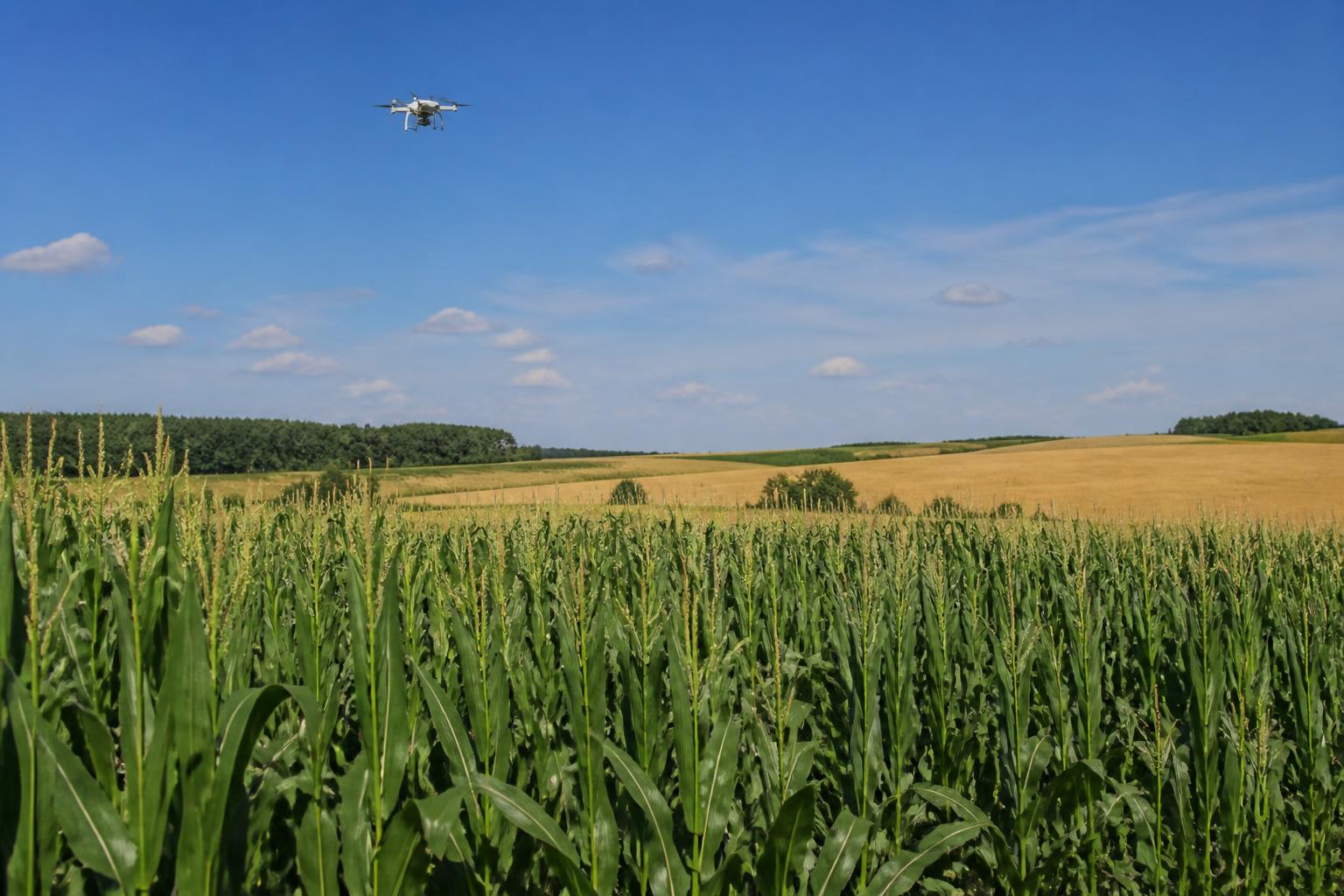
As mid-summer humidity settles across the Connecticut River Valley and coastal growing regions, local farmers are navigating a rapidly shifting landscape in crop protection. With pest and disease pressures typical of hot, humid weather, the emphasis is pivoting away from broad-spectrum applications toward highly targeted, high-tech solutions. From advanced laboratory R-and-D in Mystic to aerial applications over Hartford County fields, Connecticut is emerging as a critical testing ground for the future of crop health.
Selective Chemistry and Local Innovation
A major driver of this shift is the demand for selective crop protection tools that target specific pests without harming beneficial insects or surrounding ecosystems. Connecticut-based crop health company Enko, headquartered in Mystic, has recently partnered with a major agricultural player to co-develop selective crop health solutions. This development highlights a growing trend toward using narrow-spectrum chemistries designed to protect yields while minimizing environmental footprints-an essential consideration for growers operating near sensitive coastal watersheds and residential areas in the Northeast.
For Connecticut farmers managing high-value specialty crops, such as sweet corn, orchard fruits, and nursery stock, these selective tools offer a way to protect crops without disrupting local pollinator populations or triggering secondary pest outbreaks. As national regulatory frameworks increasingly favor reduced-risk pesticide options, local access to these specialized products is expected to become a key competitive advantage.
Drones Take Flight Over Connecticut Fields
Alongside new chemical innovations, application technology is undergoing a major upgrade. Aerial drone technology is increasingly taking flight across Connecticut farms, offering a flexible and precise alternative to traditional tractor-mounted sprayers or costly conventional aircraft. Drones allow growers to spot-treat problem areas, reducing overall input use and minimizing soil compaction in wet summer fields.
This tech-driven transition is particularly valuable as farmers adapt to labor shortages and tight windows of favorable weather. Incorporating these aerial tools is a key element of modernizing Connecticut crop protection, enabling operations of all sizes to monitor plant health in real time and apply treatments only where absolutely necessary.
Managing Summer Pressures with Precision
The humid New England summer often brings rapid pest life cycles and sudden disease outbreaks, such as powdery mildew or late blight. Connecticut growers must remain vigilant, balancing immediate crop safety with long-term soil health and sustainability goals. By combining selective chemistry with precision drone scouting, operators can respond to threats within hours rather than days.
This proactive approach helps mitigate some of the challenges associated with warming climates and policy gaps that regional ag producers frequently face. Integrating these advanced systems requires careful planning, but the potential savings on inputs and labor make a compelling case for early adoption.
Key Takeaways for CT Growers
- Targeted Solutions: Keep an eye on incoming selective chemistry options arising from partnerships like Enko's, which promise effective pest control with reduced environmental impact.
- Aerial Efficiency: Consider integrating drone scouting and application to optimize input timing and reduce soil compaction during humid summer weeks.
- Proactive Scouting: Frequent monitoring remains vital to catch disease outbreaks early, especially in high-density vegetable and fruit plantings.
What it means for the market
For Connecticut agribusinesses, chemical retailers, and custom applicators, the integration of selective chemistry and drone technology represents a clear shift toward precision agriculture. While initial adoption costs can be high, the long-term benefits-such as lower input volumes, reduced environmental risk, and targeted crop safety-will likely redefine standard management practices across the state's diverse agricultural sectors this season and beyond.
Comments
No comments yet - be the first to share your take.