
Out-of-State Capital Targets Wyoming Acreage
Wyoming's agricultural real estate remains a focal point for buyers seeking stability and long-term value. This trend is highlighted by recent transactions, including an Oklahoma farm family making a substantial investment in Wyoming land. Such moves demonstrate that despite regional dryness and elevated borrowing costs, the state's rangeland and irrigated acreage continue to draw active interest from buyers looking to diversify their agricultural portfolios.
For local operators, this influx of out-of-state capital keeps land values competitive. Ranchers and grain farmers are closely tracking these transactions as they evaluate their own expansion plans or succession strategies. Navigating these transitions successfully requires careful planning, especially when attempting to balance family dynamics with the financial realities of modern agribusiness. Operators looking to leverage these trends are keeping a close eye on Wyoming land and real estate opportunities to gauge how regional transactions might affect their local valuations.
Rebuilding the Cow Herd and Addressing Rancher Concerns
Livestock operations form the backbone of Wyoming's agricultural economy, and producers are listening closely to federal policy discussions aimed at stabilizing the sector. USDA officials have recently highlighted upcoming farming initiatives alongside plans to rebuild the U.S. cow herd. This comes at a critical time, as tight cattle supplies nationwide have driven prices higher but have also left regional feedlots and packers competing for fewer head.
While herd expansion is a priority for the broader industry, Wyoming ranchers continue to highlight structural issues within the sector. High input costs, market concentration, and the challenges of dry summer grazing conditions make herd expansion a complex financial decision. Many producers are focusing on improving marketing strategies for both crops and livestock to secure better margins before committing to herd growth.
Controlled-Environment Ag Tackles Food Security
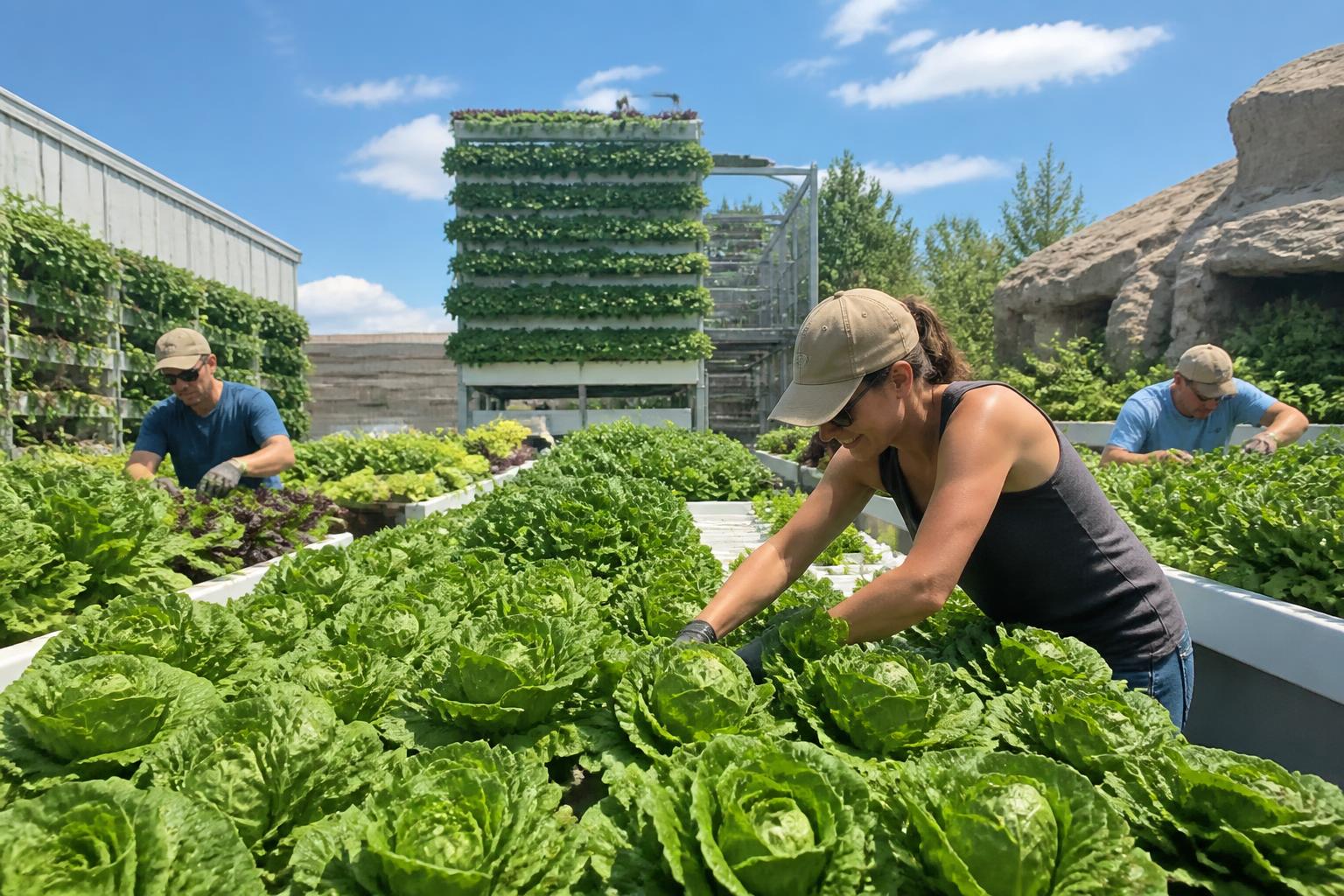
While ranching dominates the land area, innovative food production systems are starting to take root in Wyoming's urban and rural communities. A new vertical farming initiative is set to provide Wyoming residents with 100,000 pounds of fresh produce annually. This controlled-environment facility aims to bypass the short growing seasons and harsh weather typical of the state's high-altitude climate.
By producing fresh greens locally, this vertical farm addresses supply chain vulnerabilities and reduces the state's reliance on long-distance food transport. It also represents a growing trend of agricultural diversification, showing that high-tech systems can complement traditional livestock and dryland cropping operations to build a more resilient local food economy.
Key Takeaways for Wyoming Producers
- Land Demand Remains Strong: Out-of-state buyers are actively acquiring Wyoming acreage, keeping land values firm despite broader economic headwinds.
- Herd Rebuilding Initiatives: Federal focus on rebuilding the national cow herd could provide resources, but local ranchers must balance this with regional grazing capacity and high operational costs.
- Niche and Tech Ag Expansion: Localized vertical farming projects are proving that year-round vegetable production is viable, offering new avenues for regional food security.
What it means for the market
For Wyoming's agricultural market, the current climate is one of transition. Traditional livestock operations must weigh high cattle prices against the risks of summer forage limits and structural market challenges. Meanwhile, the steady flow of land investments and the introduction of commercial-scale vertical farming show that the state's agricultural base is diversifying. Producers who remain flexible, adopt proactive marketing plans, and carefully monitor land values will be best positioned to thrive in the seasons ahead.
Comments
No comments yet - be the first to share your take.