
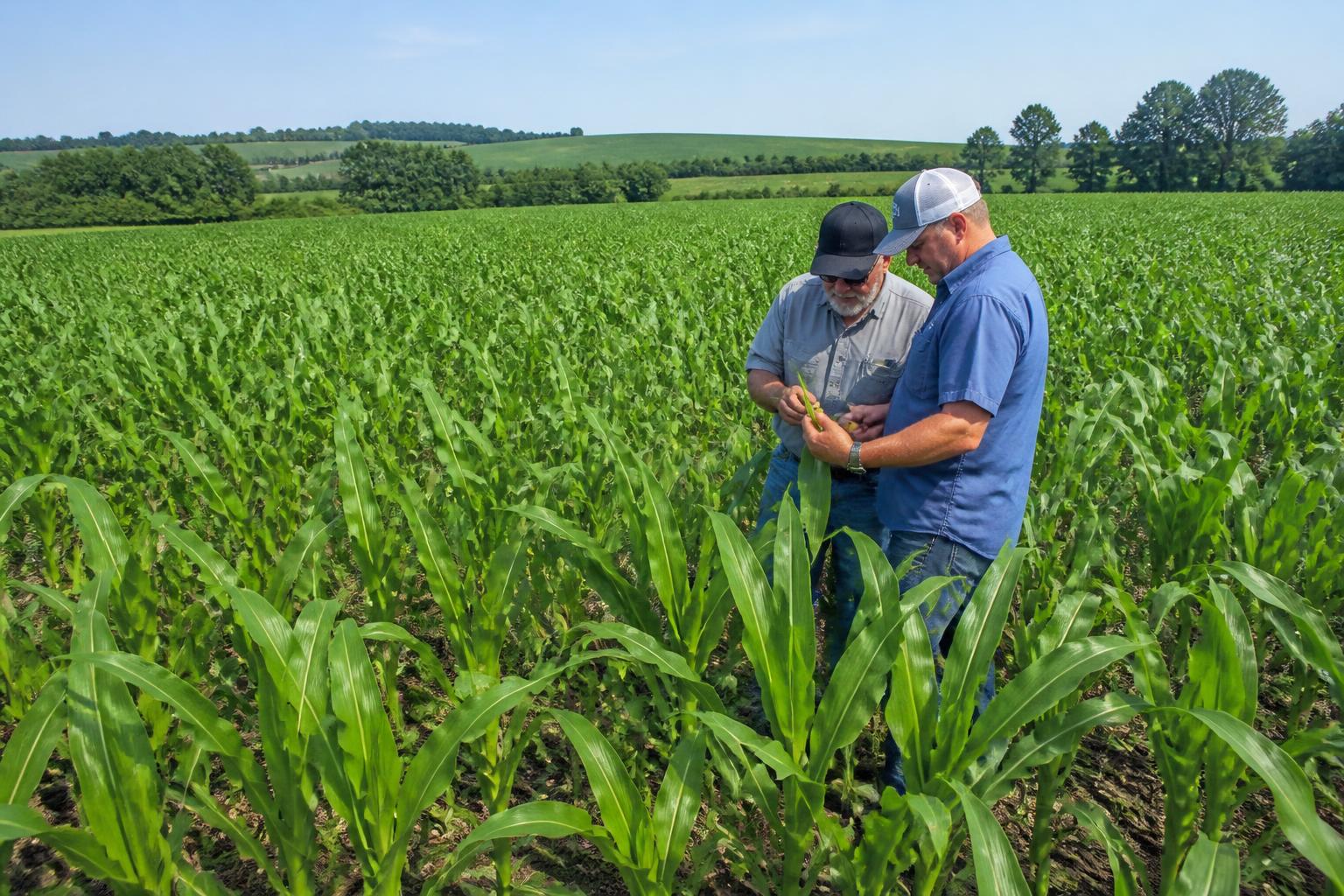
As summer temperatures peak across the Volunteer State, Tennessee farmers are balancing the dual demands of active crop protection and long-term soil stewardship. From the flat, fertile tracts of West Tennessee to the rolling pastures of Middle Tennessee and the Cumberland Plateau, managing inputs effectively is essential to preserving margins. Implementing robust conservation practices remains a top priority for producers navigating the volatile weather patterns of late June.
Protecting vulnerable topsoil and maximizing nutrient efficiency are critical during this high-growth phase. State leadership and local districts are working alongside agronomists to provide growers with the technical insights needed to safeguard their crops while protecting vital natural resources.
Enhanced Efficiency Nutrients in No-Till Systems
In Tennessee's extensive no-till acreage, particularly within corn and soybean rotations, surface-applied fertilizers face significant risk of volatilization during hot, humid summer days. Agronomic research indicates that enhanced efficiency urea (EEU) products can play a major role in securing farm profitability. By slowing down the conversion of urea into ammonia gas, these treated fertilizers ensure that nitrogen remains in the root zone where growing crops need it most.
The use of stabilizers and slow-release formulations represents a proactive step in nutrient management. For no-till corn producers, this technology helps prevent nitrogen loss, driving higher nitrogen-use efficiency and safeguarding potential yields from early-season leaching or mid-summer gas-off. These practices align closely with guidelines promoted by the Tennessee Soil and Water Conservation Commission and local Soil and Water Conservation Districts, which emphasize minimizing runoff and enhancing soil health.
Policy, Education, and State-Level Support
Staying informed about shifting agricultural policies and educational opportunities is vital for long-term farm resilience. Under the leadership of state officials like Logan Hess, Assistant Commissioner for Policy and Legislation at the Tennessee Department of Agriculture, regulatory frameworks continue to support sustainable farming practices. Clear policy directives help Tennessee growers maintain compliance while managing their chemical and fertilizer applications effectively. Adapting to these shifts is crucial as Tennessee growers navigate weather pressures and shifting input costs.
In addition to policy support, ongoing professional development keeps the state's agricultural sector competitive. Earlier this month, the University of Tennessee System hosted its Green Industry Field Day, providing valuable updates on pest management, plant health, and environmental safety. Concurrently, broader conservation efforts are bolstered by the Tennessee Division of Forestry, which manages state forests to protect regional watersheds and timber assets, demonstrating the interconnected nature of forestry and active cropland management. Growers seeking to optimize their chemical applications and stay compliant should review guidelines on resource stewardship in the summer heat.
Key Takeaways for Summer Management
- Utilize Nitrogen Stabilizers: Consider enhanced efficiency urea in no-till systems to reduce volatilization and boost corn margins during hot weather.
- Monitor Soil Moisture: Leverage cover crop residues to keep soil temperatures down and preserve moisture in the root zone.
- Engage with Local Districts: Consult your local Soil and Water Conservation District for technical assistance and cost-share opportunities for conservation practices.
- Stay Compliant: Monitor local pesticide application rules and weather forecasts to prevent off-target drift during summer spraying cycles.
What it means for the market
For Tennessee's broader agricultural market, the adoption of advanced crop protection and conservation practices is a critical hedge against input waste. As the summer progresses, keeping production costs low while maintaining high yield potential is the primary path to profitability. By utilizing enhanced efficiency fertilizers and working closely with local conservation districts, Tennessee producers are protecting both their current season investments and the long-term productivity of their land.
Comments
No comments yet - be the first to share your take.