
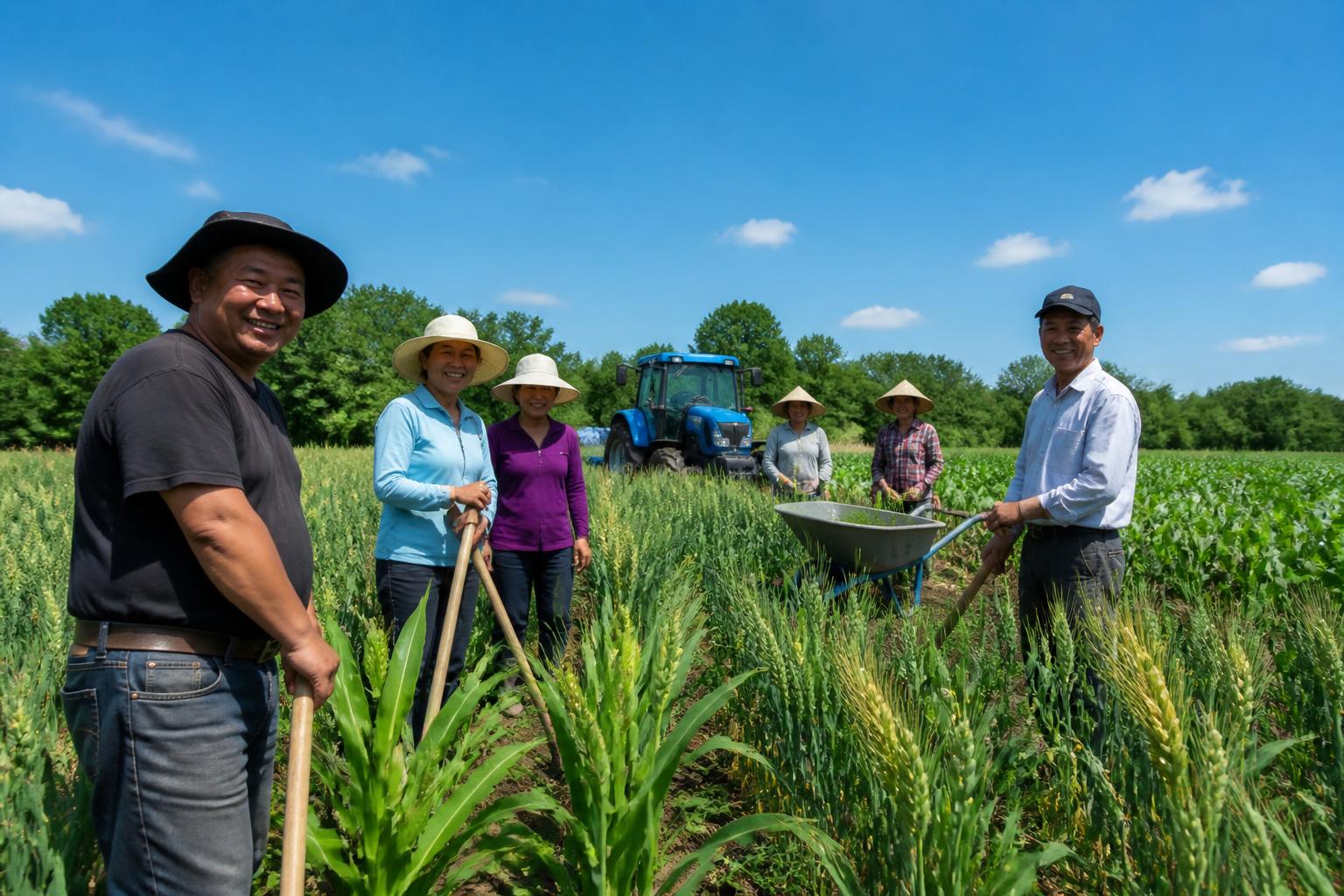
As the summer season progresses in late June, Minnesota grain producers are keeping a close eye on both local crop development and global shipping conditions. While early-season field work has wrapped up, growers face a complex mix of agronomic pressures, supply chain adjustments, and shifting export markets. Managing risk in this environment requires a sharp focus on regional crop health and a clear understanding of logistics bottlenecks that can influence local elevator bids.
Agronomic Outlook and Disease Risks in Key Producing Regions
Minnesota's grain belt is entering a critical phase of the summer growing season. Producers in top-producing regions, such as Renville County, which consistently maintains its position as the state's leader in corn production, are monitoring weather patterns and potential pest pressures. The Southern Rust 2026 outlook warns that the wider Corn Belt faces renewed disease risks, making timely field scouting and preventative management essential for protecting yield potential.
For growers in West Central Minnesota and other key corn and soybean areas, crop health directly impacts marketing decisions. High yield potential can help offset the financial pressure of historically elevated land values and variable inputs, but disease outbreaks can quickly erode profit margins. Managing these regional agronomic risks is paramount, particularly as farm size and management efficiencies continue to play a decisive role in determining bottom-line profits for local operations.
Logistical Hurdles and Global Supply Chain Shifts
On the marketing side, local grain prices remain deeply connected to global shipping lanes. Regional agricultural cooperatives, including CHS Inc., have highlighted how international shipping disruptions, such as ongoing canal crises, create ripples throughout the domestic agricultural supply chain. When major global waterways face transit restrictions, the flow of U.S. grain to overseas buyers can slow, causing local elevators to adjust their basis bids to manage storage capacity.
These international logistics hurdles place an extra emphasis on domestic transit efficiency. For local growers trying to capture optimal pricing, navigating regional transport corridors and mitigating summer logistics and rail bottlenecks is crucial to securing timely deliveries. Keeping grain in top condition during the warm summer months also ensures that when shipping windows open, the grain meets strict quality standards without facing steep elevator discounts.
Leadership Transitions and Structural Evolution
Minnesota's agricultural sector is also navigating structural and leadership changes that shape the policy landscape. With new leadership at the helm of key advocacy groups-such as a West Central Minnesota farmer being elected to lead the Minnesota Corn Growers, and Minnesota farmer Alana Peterson being appointed president of RIPE-producers are seeing a renewed push for agricultural stewardship and market equity. At the same time, regional programs continue to recognize multi-generational farm families for their contributions to the local economy, underscoring the resilience of the state's agricultural community amid shifting global markets.
Key Takeaways for Minnesota Producers
- Scout Early: The 2026 Southern Rust outlook signals elevated disease risks across the Corn Belt, requiring vigilant field scouting in high-output areas like Renville County.
- Watch Global Bottlenecks: International shipping challenges and canal disruptions continue to influence domestic basis, making local storage and flexible marketing strategies essential.
- Focus on Quality: Proper grain bin management during the summer heat prevents spoilage and keeps grain ready for volatile marketing windows.
What it means for the market
For the Minnesota grain market, the combination of regional agronomic risks and global logistics constraints means that market volatility is likely to persist through the summer. Producers who combine rigorous crop protection strategies with a flexible, well-timed marketing plan will be best positioned to protect their margins. Monitoring local basis movements, staying informed on international transit updates, and utilizing regional marketing tools remain the best strategies for navigating the summer marketing season.
Comments
No comments yet - be the first to share your take.