
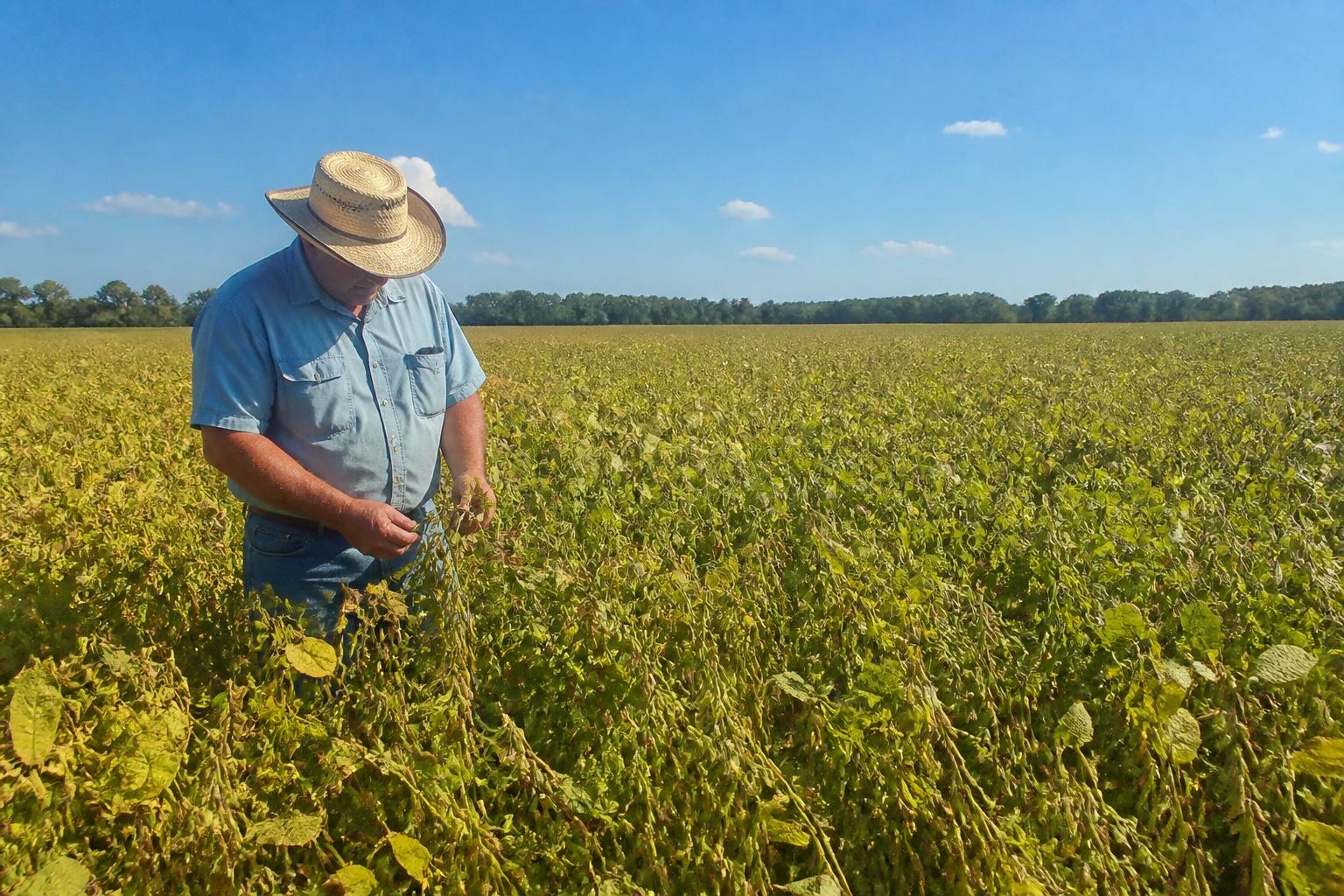
As the summer heat settles over the Mississippi Delta, growers across counties like Washington, Sunflower, and Bolivar are closely monitoring their fields for early signs of disease. The high humidity and warm nights characteristic of a Mississippi June create an ideal breeding ground for foliar pathogens. However, with input costs remaining a significant factor in seasonal profitability, local crop consultants and agronomists are urging producers to critically evaluate their fungicide strategies rather than automatically opting for multiple applications.
While the temptation to apply a preventative spray early in the season and follow up with a later application is strong, recent field data suggests that a double-fungicide program rarely delivers a positive return on investment. Instead, a targeted, single-application approach is proving to be both economically and environmentally superior for Delta farms.
The Case Against Automatic Sequential Fungicide Applications
In many parts of Mississippi, growers of major row crops like soybeans have traditionally considered dual fungicide applications to keep fields clean. However, agricultural experts caution that the practice of applying two fungicide treatments is often unnecessary and financially inefficient. In many scenarios, a single, precisely timed application during the reproductive stages - such as the R3 growth stage in soybeans - provides sufficient protection against common yield-robbing diseases like frogeye leaf spot and Cercospora blight.
Eliminating an unnecessary second spray not only saves on the cost of the chemical itself but also reduces custom application fees, whether utilizing ground rigs or aerial applicators. With fuel costs and labor constraints continuing to impact farm budgets, minimizing passes through the field is a practical way to protect tight profit margins this summer. Additionally, overusing specific fungicide classes can accelerate the development of pathogen resistance, making future disease outbreaks much harder to control.
Delta Disease Pressures and Environmental Realities
Mississippi's climate is notoriously conducive to disease, particularly in low-lying Delta fields or irrigated acreage where humidity remains high throughout the day. However, disease presence alone does not automatically justify a chemical application. Producers are encouraged to scout fields thoroughly, taking into account the susceptibility of the crop variety, the current weather forecast, and actual disease pressure before pulling the trigger on a spray rig.
Integrated pest management practices emphasize that fungicides should be treated as tools to protect yield potential rather than simple insurance policies. When disease pressure is low or weather conditions turn hot and dry, even a single application may not show an economic return. For those looking to optimize their overall spray programs, referencing recent updates on managing input logistics and Delta pest pressures can provide valuable context on balancing applications with environmental factors.
Key Takeaways for Mississippi Growers
- Skip the automatic double spray: Studies indicate that sequential fungicide applications rarely pay off compared to a single, well-timed treatment.
- Target key growth stages: For soybeans, focusing on the R3 stage generally provides the most effective window for disease control and yield preservation.
- Scout before you spray: Base fungicide decisions on physical disease presence, weather outlooks, and variety susceptibility rather than calendar dates.
- Manage resistance: Reducing unnecessary applications helps preserve the efficacy of valuable chemistry classes for future seasons.
What it means for the market
For Mississippi's agricultural retail sector and local co-ops, a shift toward more selective fungicide programs could lead to more stable, predictable inventory demands mid-season. For growers, saving on unnecessary input applications directly improves the bottom line, helping buffer against fluctuating grain basis and transportation costs. By focusing on precision rather than frequency, Delta producers can maintain high-yielding crops while exercising tight control over their summer operating expenses.
Comments
No comments yet - be the first to share your take.