
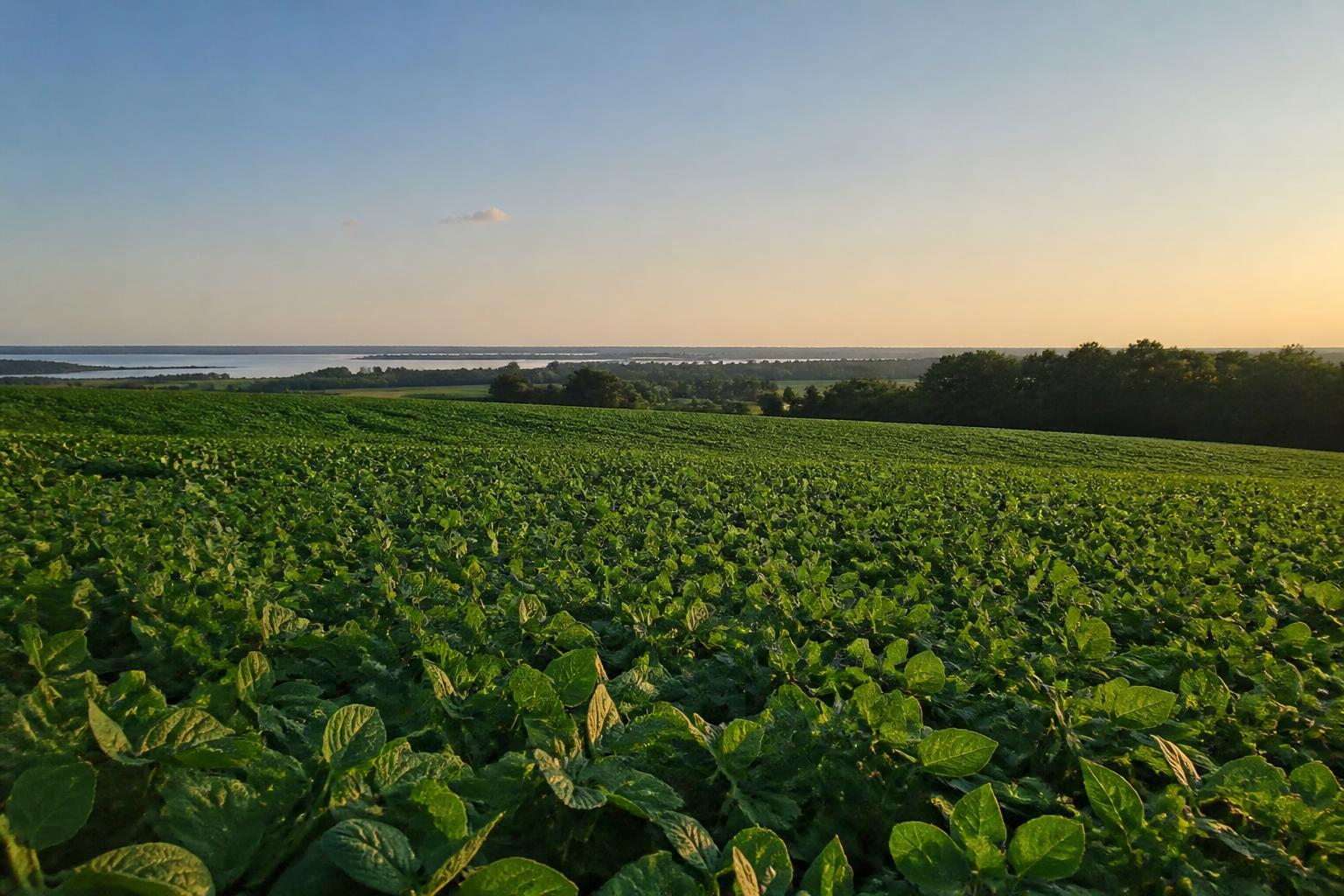
As South Dakota agricultural producers navigate the heat of late June, the state's land and crop markets are revealing distinct new patterns. From the expansive ranch country along the Missouri River to the fertile row-crop fields of the eastern counties, landowners and operators are adjusting to shifting market values and changing crop economics. A recent major land transaction and evolving crop price trends are highlighting the need for careful management as the summer season progresses.
Missouri River Ranch Sale Sets a Benchmark
In the heart of South Dakota's livestock country, land values remain a critical focus for ranchers and investors alike. A recent notable sale of a South Dakota ranch located along the Missouri River fetched $933 per acre. This transaction underscores the steady demand for grazing acres and river-corridor properties, which offer vital water access and forage for local cow-calf operations.
For South Dakota producers, such sales provide valuable benchmarks. While prime cropland in the eastern part of the state often commands much higher prices, pasture and rangeland in the central and western river breaks represent a different economic equation. Operators in these regions must balance forage productivity against the costs of logistics, water infrastructure, and herd management, especially during the dry summer months when grazing pressure peaks.
Crop Outlook: Soybeans Gain Favor Over Corn
In the row-crop sector, South Dakota growers are keeping a close eye on shifting market dynamics. The crop outlook indicates a clear acreage shift favoring soybeans over corn. This trend is gaining traction as the seasonal price discovery period nears its end, forcing producers to re-evaluate their crop portfolios and input allocations.
The preference for soybeans reflects ongoing pressure on corn margins. Soybeans typically require fewer front-end fertilizer inputs compared to corn, making them an attractive alternative when margins are tight. South Dakota farmers are increasingly managing these decisions by closely watching the South Dakota grain market strategies that help mitigate sluggish crop prices and high operating costs.
Managing Risk in a Shifting Environment
Successfully navigating these shifts requires a comprehensive approach to farm management, incorporating everything from land acquisitions to crop protection and policy changes. For instance, understanding recent state crop insurance updates is essential for protecting yields against extreme summer weather and wet spring conditions that can delay planting.
Additionally, logistics play a major role in determining profitability. Transporting grain and livestock across South Dakota's highway corridors requires compliance with local summer logistics regulations, which often change during peak harvest and hauling periods. Balancing these regulatory requirements with market timing can prevent costly delays and improve cash-flow margins for both elevators and individual operators.
Key Takeaways for South Dakota Producers
- Missouri River Land Values: A recent ranch sale at $933 per acre highlights the benchmark value for pastureland along the river corridor.
- Acreage Adjustments: Market trends favor soybeans over corn as the price discovery period wraps up, reflecting a need for lower-input crops.
- Risk and Logistics: Keeping abreast of local trucking rules and crop insurance changes remains vital for protecting seasonal margins.
What it means for the market
The combination of steady rangeland values along the Missouri River and a national shift toward soybean acreage indicates that South Dakota agriculture is in a period of calculated adaptation. Producers are prioritizing cost-effective crop rotations and securing reliable grazing resources to buffer against volatile commodity markets. For agribusinesses and lenders, these trends suggest that capital preservation and input efficiency will remain the primary drivers of decision-making through the remainder of the summer season.
Comments
No comments yet - be the first to share your take.