
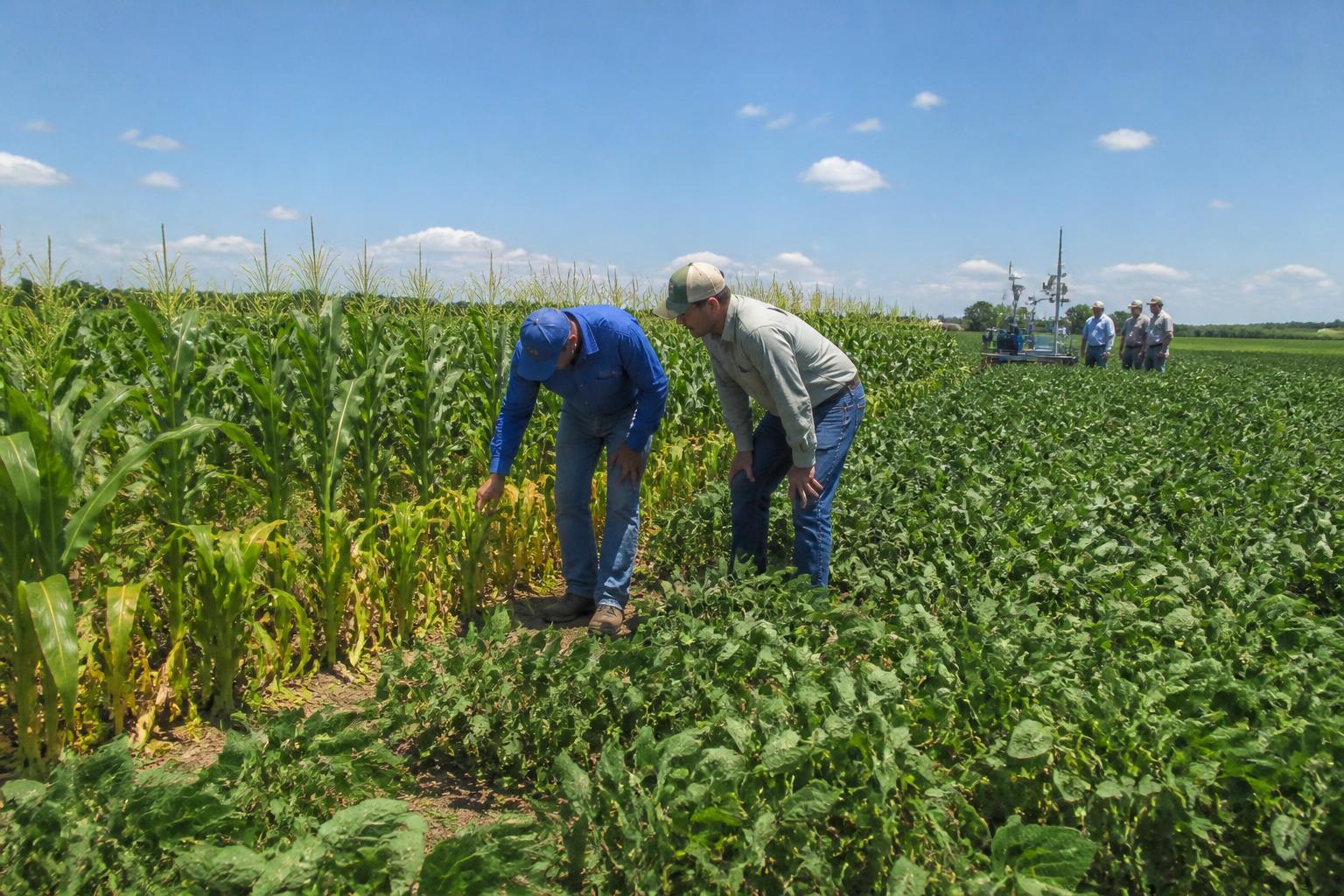
Texas growers are navigating a complex crop protection landscape this summer. Producers across the state are balancing the immediate need to defend active fields against emerging biological threats with the long-term potential of advanced seed genetics. As temperatures rise, keeping crops healthy and productive requires a careful mix of active field scouting and strategic planning for future planting cycles.
Two major developments are currently shaping the risk-management strategies of Texas agribusinesses. On one hand, the emergence of corn stunt disease has put corn growers on high alert. On the other hand, a strategic collaboration between Texas Crop Science and GDM is paving the way for more resilient, higher-yielding soybean varieties tailored to handle challenging growing conditions.
The Emerging Threat of Corn Stunt Disease
Corn stunt disease represents a relatively new and serious concern for Texas corn producers. Typically transmitted by the corn leafhopper, this pathogen can cause stunted growth, leaf discoloration, and severely diminished ear development. Because the insect vectors thrive in warm climates, the threat often intensifies during the peak summer months, especially in regions with continuous corn planting or volunteer plants that sustain leafhopper populations.
Managing this threat requires diligent monitoring. Agricultural specialists recommend that growers scout fields early and often, paying close attention to vector activity and early symptoms of infection. As farmers monitor their fields for disease, managing broader crop health and input timing remains vital, particularly following recent logistics and input adjustments across Texas.
Strategic Collaboration Targets Soybean Yields
While corn growers focus on defense, soybean producers are looking forward to genetic advancements. Texas Crop Science and GDM have established a strategic collaboration aimed at developing higher-yielding soybean varieties. This partnership leverages advanced plant science to deliver traits that can better withstand environmental stressors and improve overall crop performance.
For Texas producers, improved seed genetics are critical for mitigating risk in unpredictable climates. Water availability also plays a massive role in seed performance and overall yield, a factor that is especially top-of-mind as West Texas growers confront groundwater depletion during dry periods. Having access to varieties that maximize every drop of water and nutrient input could significantly stabilize regional soybean production in the coming years.
Scouting and Selection: A Two-Pronged Protection Strategy
To protect margins this summer, Texas agribusinesses should adopt an integrated approach to crop protection:
- Vector Management: Monitor fields for the presence of corn leafhoppers to interrupt the transmission cycle of corn stunt disease before it spreads.
- Debris and Volunteer Control: Clean up volunteer corn and manage weeds near field borders, as these can serve as reservoirs for both pests and pathogens.
- Plan for Genetic Diversification: Keep abreast of the ongoing development of new soybean varieties from the Texas Crop Science and GDM partnership to plan future crop rotations with high-yield potential.
What it means for the market
For Texas grain handlers, input buyers, and elevator operators, crop protection challenges and genetic innovations directly impact regional volume expectations. While immediate corn yields in some localized areas may face pressure from corn stunt disease, the development of robust, high-yielding soybean varieties offers a promising avenue for risk diversification. In the long term, these dual factors will likely reshape local crop rotations, input purchasing habits, and marketing strategies across the state.
Comments
No comments yet - be the first to share your take.