
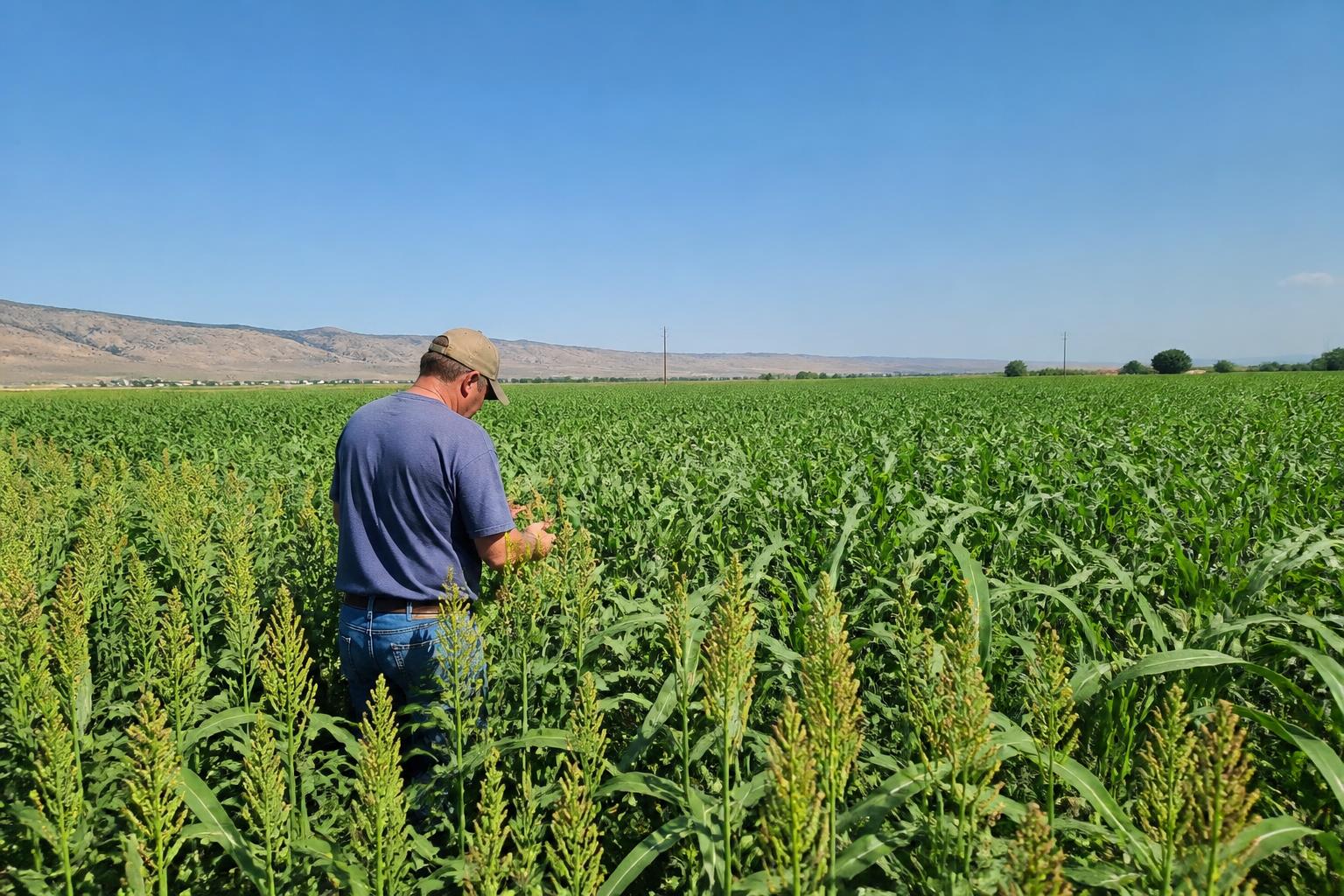
As the summer heat settles over the Great Basin, Utah grain growers and livestock operations are adapting to a rapidly shifting market landscape. From national feed grain surpluses to critical localized transport developments, multiple forces are shaping the state's agricultural economy this June. Producers are focused on managing input costs and optimizing logistics to maintain viability in a competitive market.
With global supply chain vulnerabilities and local water constraints top of mind, Utah agribusinesses are keeping a close watch on both national export trends and regional infrastructure projects. Understanding how these factors intersect is essential for navigating seasonal grain shifts and making informed marketing decisions.
National Feed Grain Pressures and Export Shifts
On the national level, a notable surplus of sorghum and ongoing corn supply concerns have kept pressure on farm country. While export markets have shown some momentum for U.S. corn and sorghum, shifting international trade patterns remain a challenge. For instance, major buyers like China have increasingly turned to South American suppliers for soybeans, altering global flow dynamics.
For Utah livestock producers who rely on imported feed grains, these national supply dynamics can influence local basis pricing. These factors are further complicated by international geopolitical tensions, such as shipping bottlenecks in key energy and trade corridors like the Strait of Hormuz, which have historically driven up global transport and energy costs, indirectly squeezing margins for domestic operations.
Strengthening Utah's Logistics Network
Logistical efficiency remains a primary driver of profitability for Western growers and feed buyers. In Utah, infrastructure developments are aimed at easing these pressures. The planned development of a new Savage rail port in Utah, served by Union Pacific, represents a major step forward for regional commodity logistics.
This rail-served port is expected to enhance shipping flexibility, giving local producers and grain handlers improved access to broader rail networks. Such infrastructure is crucial for moving bulk agricultural products efficiently, especially when trucking costs or driver availability present challenges during peak harvest seasons.
Water Efficiency and Resource Management
In addition to transportation, resource conservation remains a critical focus during the dry summer months. Recent agricultural research highlights how mixed planting and diverse cropping systems can promote water-use efficiency on small Utah farms. As water supplies remain a perennial concern in the West, adopting these practical, soil-moisture-conserving methods helps growers optimize crop yields under restricted irrigation allocations.
At the same time, land managers and growers are actively monitoring local ecosystems. Invasive species threats continue to challenge the Utah landscape, requiring careful field monitoring and integrated pest management strategies to protect standing grain crops and forage lands from degradation.
Key Takeaways for Utah Producers
- Monitor National Surpluses: Elevated sorghum and corn supplies nationally could keep a lid on feed costs, presenting buying opportunities for Utah feedlots and dairies.
- Utilize Local Infrastructure: Keep an eye on regional logistics developments, such as the Union Pacific-served Savage rail port, to optimize shipping routes and reduce transport overhead.
- Focus on Water Efficiency: Implementing diverse planting strategies can help small-scale operations maximize limited summer water supplies.
What it means for the market
The Utah grain and feed market is operating in a highly dynamic environment where local logistics and global market pressures collide. While national grain surpluses offer some relief on feed input costs for livestock producers, local grain growers must leverage regional transport improvements and water-saving agronomic practices to remain competitive. Maintaining flexibility in marketing plans and monitoring regional rail developments will be key to managing risk through the remainder of the summer season.
Comments
No comments yet - be the first to share your take.