
As the summer season gets underway in Vermont, local crop producers, grain handlers, and livestock operations are navigating a rapidly evolving market landscape. A mix of landmark regulatory shifts, changing dairy sector dynamics, and unpredictable Northeast weather has forced regional agribusinesses to stay agile. From the fertile soils of the Champlain Valley to the river-bottom fields along the Connecticut River, managing feed supply and crop inputs is taking center stage.
While regional specialty crop growers are still recovering from late-spring weather anomalies, grain and forage producers are recalibrating their field management plans. The state's agricultural economy is seeing a unique contrast between domestic structural transitions and surprisingly strong international trade figures, redefining the demand for feed and local inputs.
Weed Control in the Post-Paraquat Era
Vermont grain and forage growers are adjusting their weed management programs after the state became the first in the nation to ban paraquat, a widely used herbicide linked to health concerns. This ban requires grain handlers and producers to rethink their burndown strategies and chemical rotations, particularly for no-till corn and soy systems that rely heavily on early-season weed control.
For a deeper look at how local growers are adjusting, read about how the Vermont grain sector navigates landmark paraquat ban adjustments this season. Replacing this input often means exploring alternative chemistry or increasing mechanical cultivation, which can raise overall production costs for local grain operations.
Dairy Shifts and Booming Export Demand
The local demand for feed grains is closely tied to Vermont's iconic dairy industry, which is experiencing both structural challenges and export successes. While some traditional dairy producers have found success pivoting to goat farming to survive a tough domestic environment, others are capitalizing on an unexpected global trade boom. Despite a broader slump in overall U.S. agricultural trade, Vermont's agricultural exports to China have surged by 80 percent, driven largely by dairy demand.
This export resilience helps stabilize the local dairy sector, maintaining steady demand for high-quality feed grains, corn silage, and forage crops. Feed mills across the state must balance these shifting herd dynamics as some farms transition to alternative dairy animals, which typically require different nutritional profiles and feed formulations than traditional bovine herds.
Weather Pressures and Federal Assistance
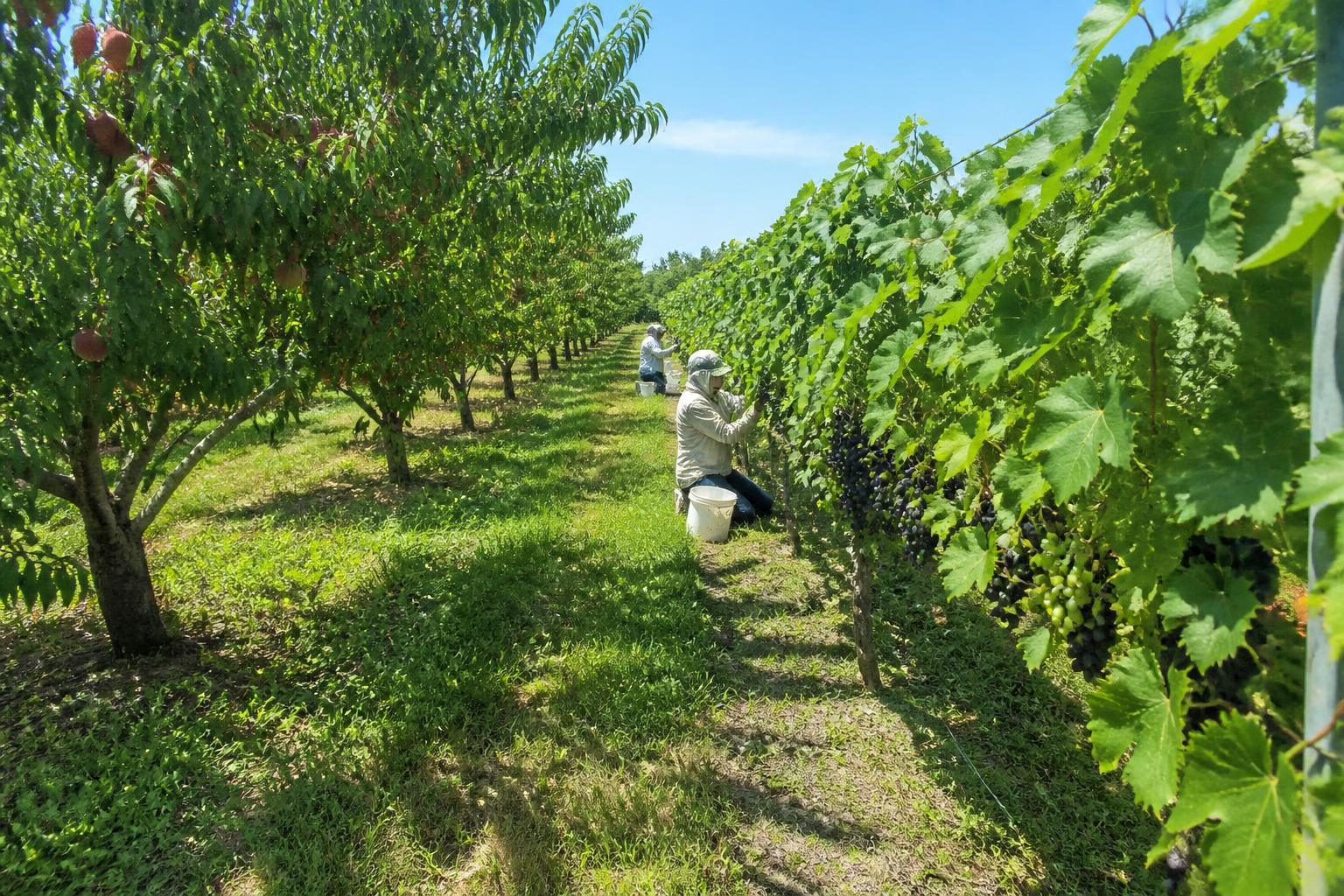
Northeast weather continues to present challenges for regional agriculture. A late frost earlier in the spring severely impacted local vineyards and orchards, leading to requests for federal assistance. While major grain-growing areas escaped the worst of this freeze, the erratic spring weather serves as a reminder of the climate volatility facing Green Mountain State producers.
In response to these weather and input challenges, more operators are looking toward precision agriculture and data-driven management tools to optimize yields and reduce input waste. Companies like CNH have recently announced new acquisitions and data initiatives aimed at helping farmers streamline field operations, a trend that may increasingly find a home in Vermont's diverse crop fields.
Key Takeaways for Vermont Producers
- Input Replacements: Agronomists recommend securing alternative burndown herbicides early to offset the loss of paraquat.
- Feed Market Dynamics: Keep an eye on local dairy-to-goat transitions, which may subtly alter regional grain and forage demand.
- Risk Management: Unpredictable seasonal weather highlights the value of robust crop insurance and precision field-mapping tools.
What it means for the market
The Vermont agricultural market is showing remarkable resilience, buoyed by exceptionally strong dairy export figures even as local farmers face strict new input regulations. For grain buyers and feed suppliers, this environment requires close collaboration with growers to ensure feed rations remain cost-effective and compliant with state chemical bans. While input costs may trend higher due to alternative weed-control practices, robust international demand for Vermont agricultural products should continue to support regional market activity through the summer months.
Comments
No comments yet - be the first to share your take.