
Post-Emergence Strategy and Timing Constraints
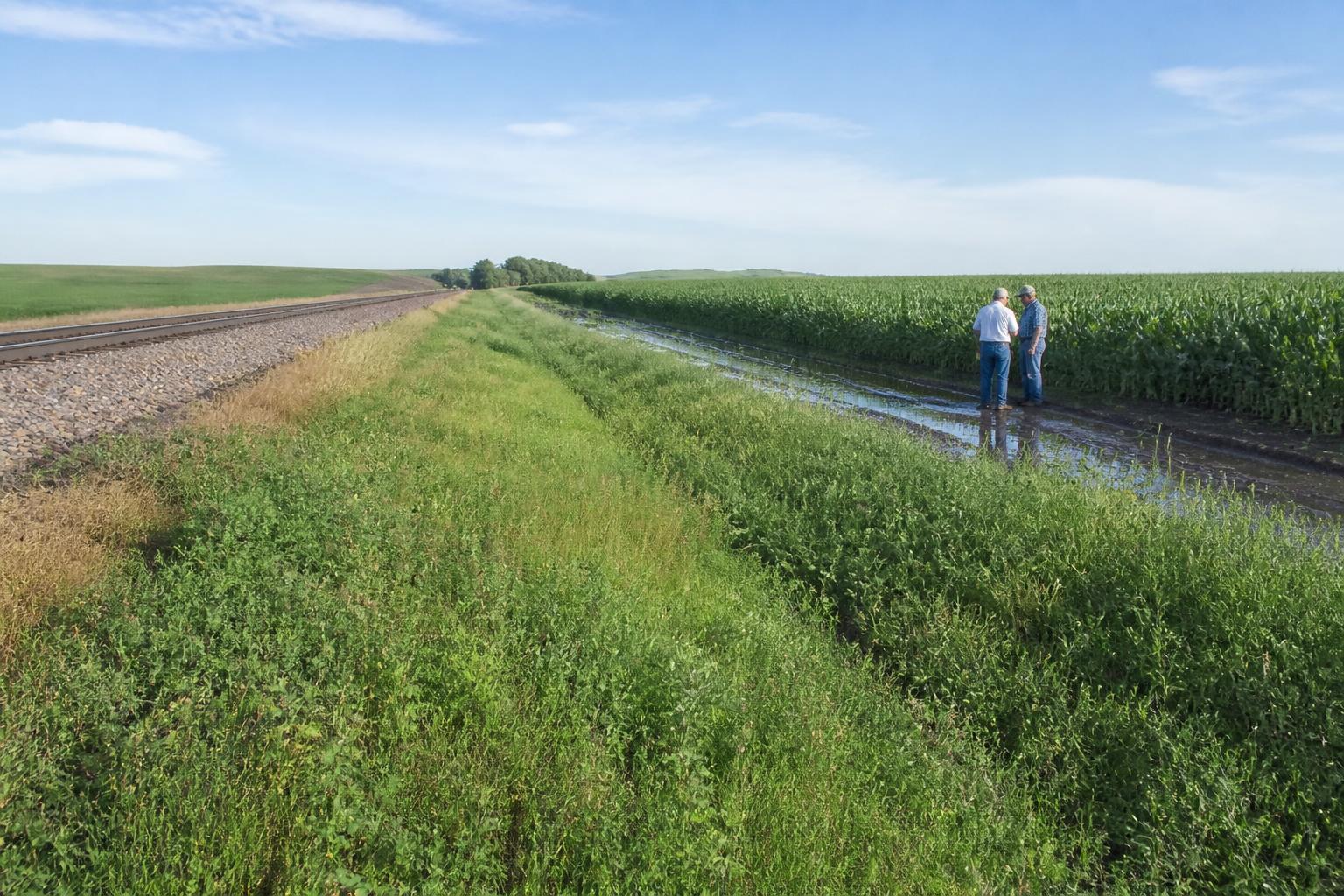
As summer temperatures rise, North Dakota farmers face a compressed window for post-emergence herbicide applications. Wet field conditions earlier in the season delayed planting for many operations, leading to uneven crop emergence and rapid weed growth. Managing these fields requires careful calibration of sprayers and strict adherence to label guidelines to prevent drift and ensure efficacy.
While North Dakota growers monitor local weed pressure, regional regulatory shifts highlight the importance of application deadlines. For example, neighboring South Dakota recently reminded applicators of its strict June cutoff dates for dicamba use. While North Dakota operates under its own state-specific pesticide regulations and labels, regional enforcement trends emphasize the need for meticulous record-keeping and timing. As field operations accelerate, growers should also stay updated on state-level initiatives, such as the North Dakota summer crop protection management and disposal programs that help keep operations safe and compliant.
Cover Crops and Soil Health in the North
In northern North Dakota, researchers and progressive farmers continue to seek cover crop successes to assist with long-term weed suppression and soil moisture management. Integrating cover crops in northern latitudes presents unique challenges due to the shorter growing season, but successful establishment can dramatically improve soil structure and limit the emergence of herbicide-resistant weeds.
Additionally, conservation partnerships, such as those with Pheasants Forever, are helping producers turn marginal, poorly performing areas-often referred to as "red acres"-into productive green spaces. By planting cover crops or permanent nesting cover on highly saline or chronically wet field corners, farmers can reduce chemical input costs on unprofitable ground while simultaneously building soil health and boosting biodiversity.
Logistics and Long-Term Crop Outlook
The success of summer crop protection programs relies heavily on robust input logistics. North Dakota's deep relationship with its rail network is critical for moving bulk fertilizers and crop protection inputs into the state, just as it is for transporting harvested grain out to global markets. With delayed planting creating a tighter window for crop development, maintaining a reliable supply chain for post-emergence inputs remains vital.
As producers navigate current-season weed pressure, market analysts are already advising farmers to look ahead to future crop and livestock decisions. Evaluating input costs, grain pricing trends, and logistics infrastructure will help North Dakota operations maintain profitability despite unpredictable weather and fluctuating global demand.
Key Takeaways for ND Producers
- Monitor local deadlines: Keep a close eye on herbicide-specific cutoff dates and wind restrictions to prevent off-target movement in variable summer weather.
- Target marginal areas: Consider utilizing conservation programs to plant cover crops on marginal, saline, or chronically wet areas to reduce input waste.
- Secure supply chains early: Work closely with local retailers and co-ops to ensure post-emergence chemical and nutrient supplies are secured and delivered on time.
What it means for the market
For the broader agricultural market, the rush to apply crop protection products in late June highlights the ongoing resilience of northern growers. Despite delayed starts and wet fields, proactive weed management and targeted conservation efforts are helping to stabilize yield projections. Reliable rail logistics and strategic retail inventory will remain the backbone of North Dakota's agricultural economy as the state transitions from active crop protection to mid-summer development.
Comments
No comments yet - be the first to share your take.