
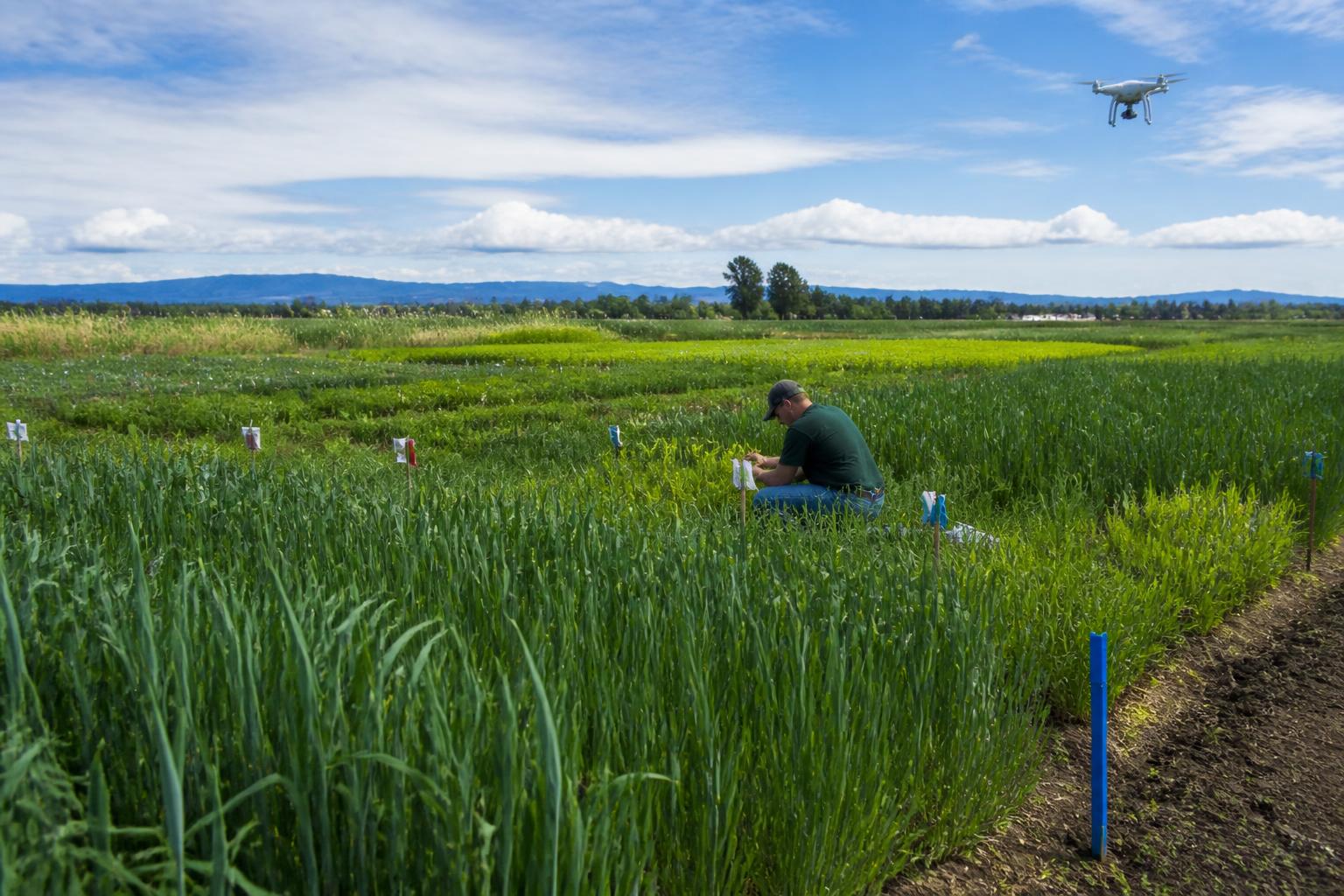
Summer in Washington State brings both peak growing activity and acute crop protection challenges. As producers across the Columbia Basin and Yakima Valley manage water and heat, new biological pressures and shifting regulatory landscapes are forcing a re-evaluation of traditional pest and weed management strategies. From local biosecurity threats in the Tri-Cities region to major shifts in federal research support, Washington agribusinesses are navigating a highly dynamic summer market.
Invasive Japanese Beetle Detected in Pasco
The Washington State Department of Agriculture (WSDA) has issued an active call for public assistance after discovering the invasive Japanese beetle in Pasco, Washington. Local residents and agricultural stakeholders are being asked to report any sightings of the pest immediately. The Japanese beetle is a highly destructive pest that poses a severe threat to Washington's valuable specialty crops, orchards, and vineyards.
For growers in Franklin County and neighboring agricultural corridors, the early detection of these beetles is a reminder of the constant vigilance required to maintain biosecurity. Left unchecked, the pest can defoliate plants and severely degrade crop quality, impacting both local supply chains and export potential.
Federal Funding Boosts Agricultural Research
To help combat ongoing biological threats and optimize crop resilience, federal support is stepping in. Senator Patty Murray has secured critical funding dedicated to Washington State agricultural research. This funding is expected to bolster scientific efforts aimed at developing pest-resistant crop varieties, improving soil health, and exploring sustainable pest management techniques tailored specifically to the Pacific Northwest's microclimates.
This funding boost comes at a crucial time, coinciding with broader efforts to address the Washington grain outlook and supply chain hurdles that continue to impact local transport and logistics. By investing in long-term agricultural research, regional institutions aim to provide farmers with practical, science-backed defenses against emerging pest pressures and climate variability.
Regenerative Agriculture and the Transition in Weed Control
At the same time, the broader crop protection market is feeling the ripple effects of shifting chemical regulations and high-profile legal battles. Ongoing court losses regarding popular glyphosate-based herbicides like Roundup have accelerated discussions around alternative weed-control strategies. Notably, even prominent national figures, including Donald Trump, have highlighted transitions toward regenerative farming practices following these legal developments.
This shift toward regenerative practices-such as cover cropping, diverse crop rotations, and biological weed suppression-is gaining traction as farmers look to diversify their protection portfolios. This shift is particularly relevant as growers manage high input costs and evolving crop regulations during the peak summer growing season.
Key Takeaways for Washington Producers
- Monitor Fields Closely: Growers near Pasco and the wider Columbia Basin should inspect crops for Japanese beetle activity and report sightings to the WSDA.
- Leverage Research Innovations: Keep an eye on incoming research outputs from state institutions funded by the new federal allocations for local pest and crop management solutions.
- Evaluate Input Portfolios: Consider integrating regenerative or biological crop protection methods to mitigate risks associated with chemical input volatility and changing regulations.
What it means for the market
The convergence of active pest threats, federal research injections, and a national shift toward regenerative agriculture indicates that Washington's crop protection sector is undergoing a structural transition. Input buyers and distributors should prepare for long-term changes in chemical availability and demand, while grain and specialty crop producers must remain flexible to maintain yield quality amid changing environmental and regulatory standards.
Comments
No comments yet - be the first to share your take.