
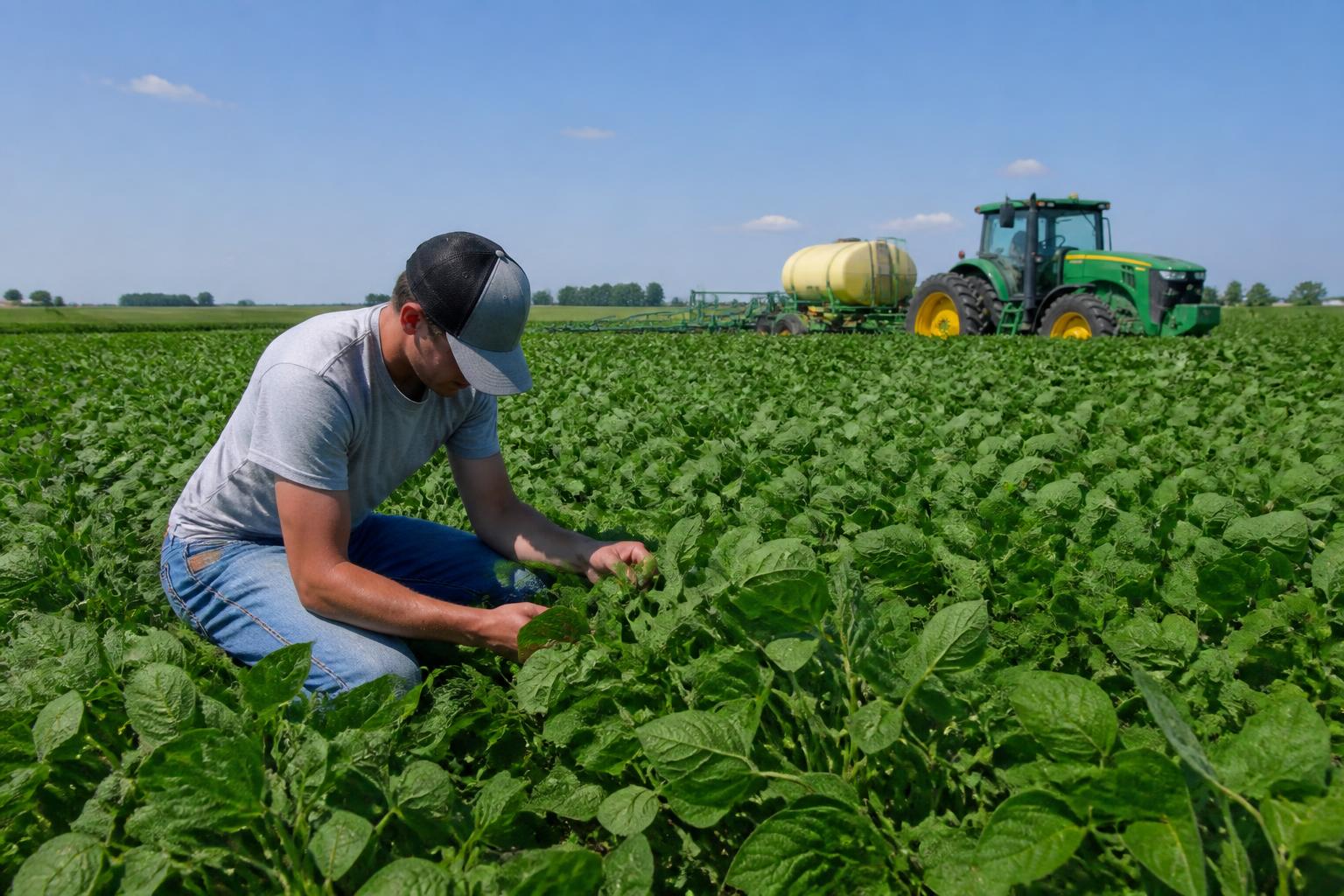
Mid-summer in Missouri brings both peak crop development and intense weed and pest pressure. As growers navigate the crucial late-June window, regulatory shifts and new technologies are rapidly reshaping field management across the state. Notably, the Missouri Department of Agriculture's stop-use order on dicamba has forced soybean and corn producers to quickly adjust their chemical application strategies during a vital phase of the growing season.
The Dicamba Stop-Use and Weed Management Pivot
The state regulatory action to halt dicamba applications represents a major transition for Missouri crop protection. Growers along key agricultural corridors, from the fertile soils of the Bootheel to the rolling plains of northern Missouri, must now rely on alternative post-emergence herbicides to control stubborn weeds like waterhemp and Palmer amaranth. This sudden regulatory change highlights the vulnerability of relying on a single chemical family, forcing farmers to look closely at integrated pest management (IPM) and alternative chemistries to protect high-yield fields.
To successfully navigate these changes, growers are turning to intensive scouting and diversified herbicide programs. For more context on handling these overlapping crop issues, see our prior discussion on crop protection challenges in Missouri.
The Role of Spray Drones and Application Tech
With chemical options shifting, application precision has never been more critical. Missouri growers are increasingly evaluating whether agricultural spray drones are a viable investment for mid-season applications. Drones offer an efficient way to target specific weed escapes or apply late-season fungicides without damaging tall corn canopy or compacting wet soils. While upfront capital investment and regulatory certifications remain hurdles, the ability to apply products precisely during tight summer weather windows makes drone technology an attractive tool for modern retail applicators and independent operations alike.
Broader Legal and Agronomic Pressures
The shifting regulatory landscape in Missouri is set against a backdrop of broader legal pressures on standard crop protection tools. This is underscored by Bayer's proposed 7.25 billion dollar settlement over Roundup litigation, which continues to raise questions about the long-term availability and formulation of glyphosate-based products. At the same time, regional leadership changes, such as Bradley Schad leading the Missouri Corn Growers Association, come at a pivotal time when growers need strong advocacy to navigate these supply chain and regulatory challenges.
Additionally, Missouri producers must remain vigilant against summer crop diseases. Active monitoring is essential to defend against early outbreaks and maintain plant health, as detailed in our guide on managing tar spot and moisture conditions.
What it means for the market
For Missouri's grain handlers, ag retail networks, and farmers, the sudden loss of dicamba utility mid-season requires a rapid pivot to alternative chemistry programs, which may tighten regional supplies of alternative herbicides. Agribusinesses must work closely with growers to secure viable chemical alternatives while managing strict cost constraints. As application windows tighten under the summer heat, the adoption of precision tools like spray drones may see a significant boost, helping operators protect their yield potential across the state.
Comments
No comments yet - be the first to share your take.