
Nevada's agricultural landscape is navigating a transformative summer. As producers in the Silver State balance severe water conservation needs in the arid West with the necessity of robust crop protection, new conservation frameworks and regional crop innovations are shifting the operational baseline for high-desert farming.
Wildlife Integration and Beneficial Insects
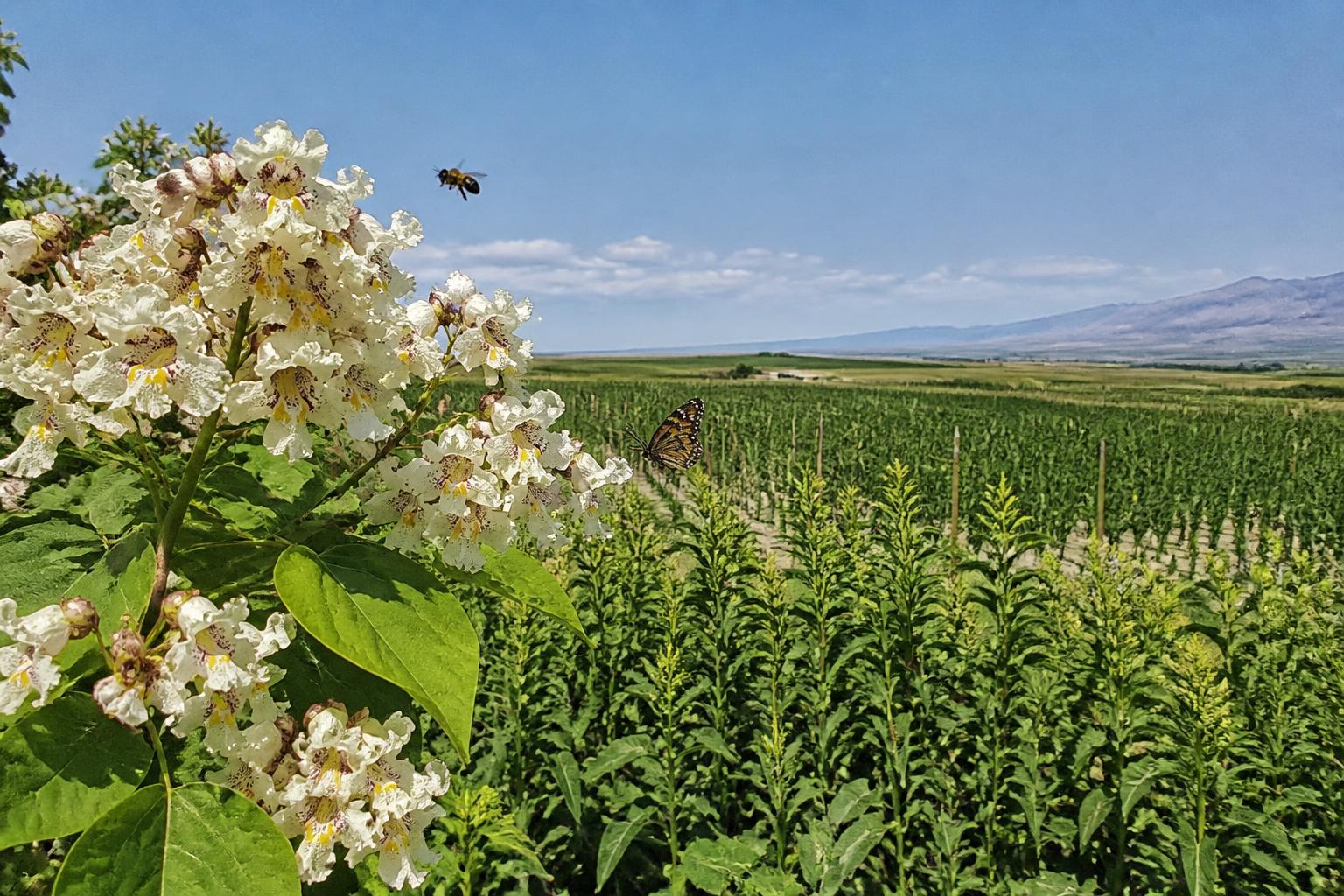
For the first time, Nevada's state wildlife plan has integrated bees and butterflies into its conservation framework. This inclusion brings a heightened regulatory and management focus to pollinator health, directly influencing how high-desert growers deploy traditional crop protection tools. Managing seasonal weed pressure while preserving native pollinator habitats is rapidly becoming an operational priority for local land managers.
To navigate these shifting standards, growers are increasingly looking toward biological controls and organic crop protection methods to shield their seasonal yields. This integration of beneficial insects into state-level planning encourages a more calculated, low-impact approach to pesticide application, especially near critical riparian areas and native high-desert pastures.
Research and Crop Diversity Drive Resilience
As water constraints continue to shape the Western United States, crop diversification is taking center stage. Researchers at the University of Nevada, Reno are actively working to improve teff grain production. This highly drought-resistant, climate-resilient crop offers a promising option for global food security and local feed markets alike.
Alongside teff, Nevada's hemp farming sector continues to see notable development under the oversight of the Nevada Department of Agriculture. Both hemp and alternative grains require highly specific pest management regimes compared to traditional alfalfa or forage crops. The introduction of these resilient crops is driving the demand for specialized, targeted crop protection solutions that can combat high-desert pests without disrupting the surrounding ecosystem.
National Input Trends and Local Access
While local conservation efforts adapt to protect native species, broader national advocacy remains crucial for maintaining a full toolkit of agricultural inputs. Major agricultural companies, including Bayer, have recently led coalitions to advocate for continued farmer access to vital crop protection chemistries, such as glyphosate.
For Nevada's grain, forage, and specialty crop growers, maintaining access to diverse chemical options is vital for weed control, particularly when managing invasive species that can quickly take over dry-land operations. Finding a balance between global chemical advocacy and local conservation plans remains the central challenge for the state's agribusiness sector.
Key Takeaways for Nevada Growers
- Pollinator Protections: The inclusion of bees and butterflies in the state wildlife plan will require more precise, pollinator-friendly application timing.
- Alternative Crops: The expansion of hemp and teff grain requires farmers to update their pest control protocols for non-traditional crops.
- Input Advocacy: National coalitions continue to defend essential active ingredients like glyphosate, which remain critical for high-desert weed management.
What it means for the market
Nevada agribusinesses must prepare for a dual-track approach to crop protection. Compliance with broader pollinator conservation guidelines will demand more targeted applications and integrated pest management (IPM) practices. At the same time, maintaining access to conventional chemical tools will remain necessary to secure yields. Producers who successfully integrate low-impact biological inputs alongside resilient alternative crops will be best positioned to optimize input costs and protect high-desert productivity in the seasons ahead.
Comments
No comments yet - be the first to share your take.