
Late June brings critical regulatory deadlines and agronomic shifts for Connecticut producers. As Connecticut Department of Agriculture (DoAg) licensees face the June 30 renewal deadline, growers across the state are balancing crop nutrition needs with regional efforts toward greener, more sustainable fertilizer practices. In New England, managing nutrient inputs effectively is essential to protecting local watersheds while maintaining summer crop yields.
Greening the Fertilizer Sector in the Northeast
As discussions around agricultural sustainability intensify, the focus on greening the fertilizer industry has taken center stage. This shift aims to reduce the carbon footprint of nitrogen production and optimize nutrient delivery methods. For Connecticut farmers, particularly those in the fertile Connecticut River Valley and coastal areas, adopting low-carbon fertilizer options could offer long-term environmental and marketing advantages.
With regional emphasis on protecting the ecologically sensitive Long Island Sound, local growers are increasingly sensitive to nutrient runoff. Transitioning to green ammonia and precision-release fertilizers can help mitigate nitrogen loss, ensuring that applied nutrients feed the crops rather than entering local waterways.
Compliance and Crop Nutrition Management
While looking toward the future of crop nutrition, Connecticut producers must also manage immediate operational requirements. The Connecticut Department of Agriculture has reminded agricultural licensees and permittees that their renewals are due by June 30. Maintaining active registration is vital for commercial operations, especially those distributing, blending, or applying specialty crop inputs during the peak growing season.
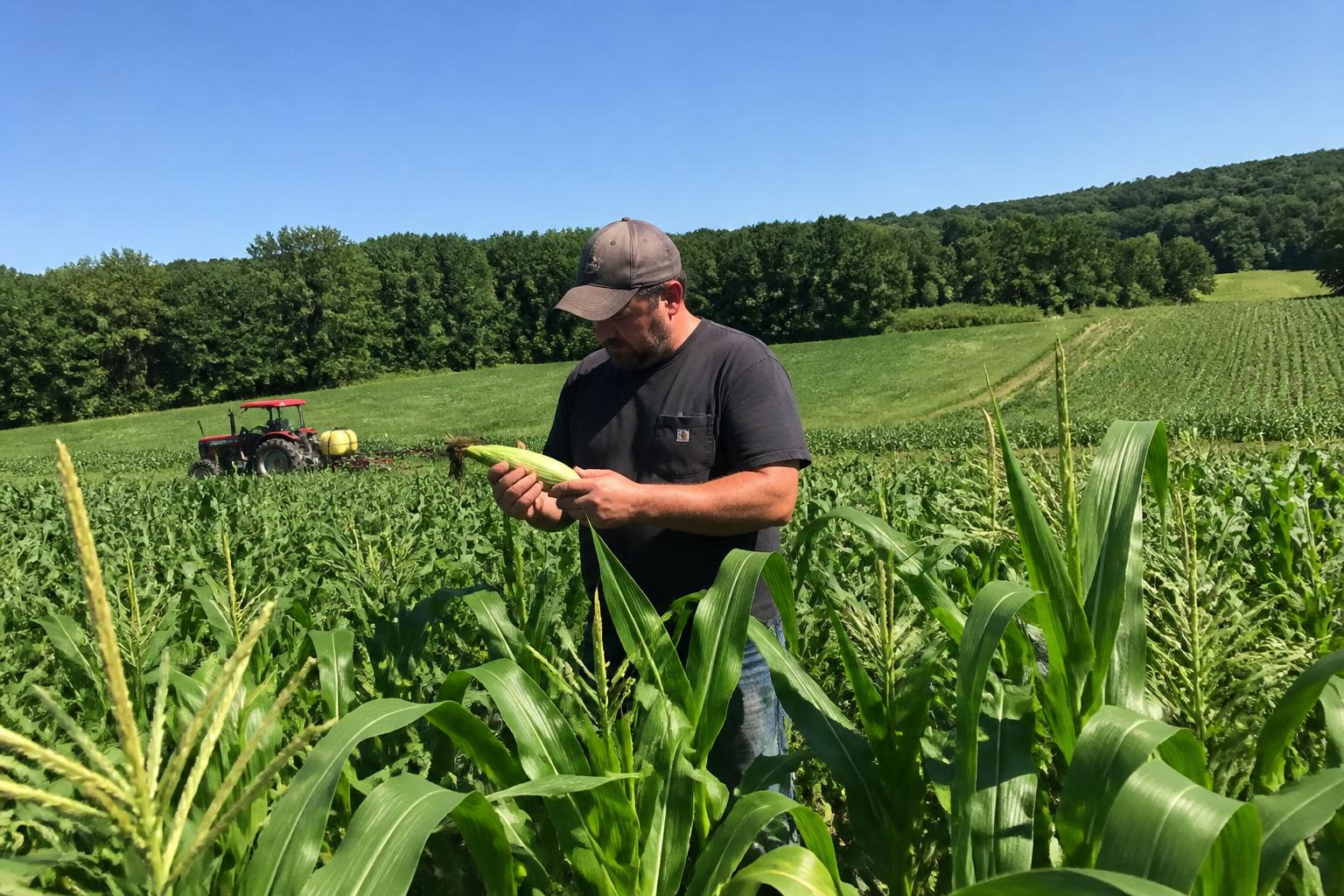
For high-value summer crops, keeping nutrient delivery on schedule is crucial. Connecticut's signature summer grain and sweet corn crops require carefully timed nitrogen applications to ensure strong yields. Growers often apply split-nitrogen treatments in late June to maximize ear development and prevent mid-season deficiencies.
Precision Technologies Optimize Input Use
To balance the high cost of inputs with environmental stewardship, many Connecticut farms are turning to advanced placement technologies. By integrating precision soil testing with targeted nutrient application, growers can reduce overall fertilizer waste. In some parts of the state, operations are exploring precision drone technology in Connecticut to analyze crop canopy health and apply micro-nutrients only where needed.
This localized approach not only cuts down on input costs but also aligns with the broader industry effort to decarbonize the agricultural supply chain from the ground up.
What It Means for the Market
The convergence of strict regulatory deadlines, such as the June 30 CT DoAg renewal, and the push for green fertilizer alternatives indicates a tightening operational framework for Connecticut agribusinesses. For input buyers and grain handlers, investing in precision application tools and exploring sustainable fertilizer options will likely become standard practice. Maintaining administrative compliance while adopting efficient nutrient management technologies remains the most effective path to balancing profitability with environmental stewardship this summer.
Comments
No comments yet - be the first to share your take.