
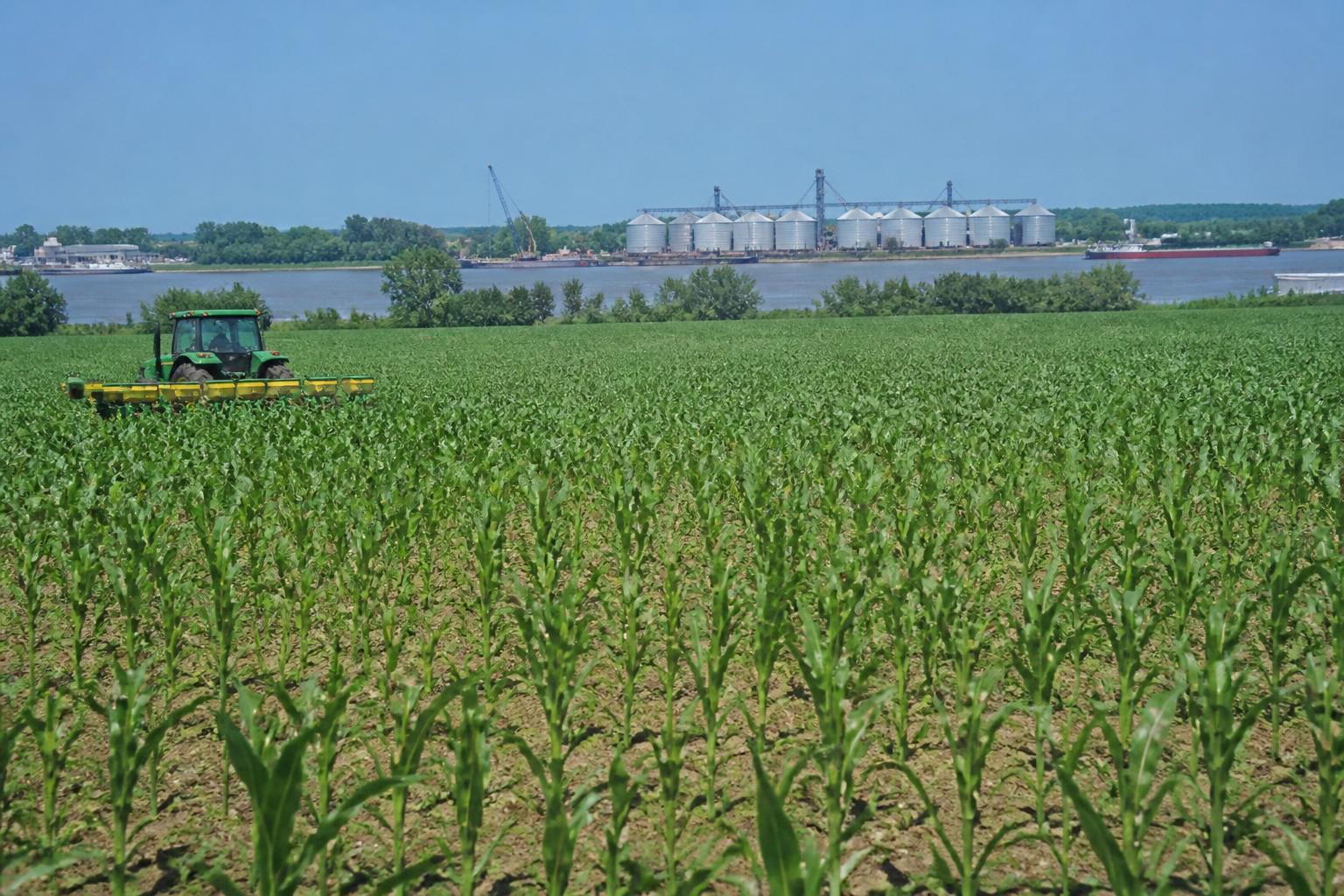
Louisiana grain shippers and growers are facing a complex logistics landscape this summer. As cash grain markets at Gulf ports show mixed trends, transport challenges along the Mississippi River are adding pressure to the bottom line. Balancing early crop developments with river shipping constraints has become the primary focus for elevators and exporters navigating the summer shipping season.
A combination of changing river conditions, varying international export demand, and local production schedules means that grain handlers must remain highly adaptable. Navigating these logistics costs is critical, especially when dealing with river corridor pressures in summer 2026.
Navigating Shipping Headwinds on the Mississippi
One of the most pressing challenges for Louisiana's agricultural export engine is river siltation. Silt accumulation in key stretches of the Mississippi River is expected to drive up the shipping cost of grain. When silt reduces the draft depth of the shipping channel, barges and ocean-going vessels must carry lighter loads to avoid grounding, which ultimately increases the per-bushel cost of moving grain to international markets.
For Louisiana grain elevators and regional logistics providers, these physical river constraints mean close coordination is required to manage terminal capacity. When draft restrictions slow down the evacuation of grain from river terminals, upstream backup can occur, impacting cash basis bids at local delivery points.
Mixed Cash Grain Markets at Gulf Ports
Amid these transport hurdles, the USDA's June 2026 reports show mixed cash grain bids across Gulf ports and Midwest terminals. While some export positions have held steady, others are fluctuating as global buyers weigh current logistics risks against South American supply competition.
Local producers can keep track of changing bids by monitoring grain buyers and prices in Louisiana. Staying informed on these local variations is essential for timing physical sales, particularly as Louisiana Gulf export bids respond to river flow rates and barge availability throughout the summer months.
Early Planting and Changing Crop Timelines
Compounding the summer logistics equation is the timeline of the crops themselves. Earlier in the season, corn planting got off to an early start across many Louisiana parishes. This early start could lead to an accelerated harvest window, potentially bringing new-crop grain to river terminals sooner than in typical years.
An early harvest presents both opportunities and challenges. While it allows growers to capture early-season export windows, it also risks clashing with peak summer siltation issues on the river, demanding proactive planning from freight buyers and grain merchandisers.
Key Logistics Considerations for Shippers
- Barge Draft Management: Monitor river stage forecasts and draft restrictions to adjust load weights proactively.
- Storage Flexibility: Ensure on-farm and terminal storage is cleared ahead of potentially early corn harvest arrivals.
- Freight Hedging: Lock in river freight early to mitigate sudden spikes in shipping costs driven by dredging delays.
What it means for the market
For Louisiana agribusinesses, the current environment demands close attention to freight spreads and river conditions rather than just flat price movement. Siltation on the Mississippi River will likely keep barge freight rates volatile, which can depress local cash bids even if export demand remains stable. Shippers and producers who secure flexible transportation options and monitor early harvest timelines will be best positioned to protect their margins this summer.
Comments
No comments yet - be the first to share your take.