
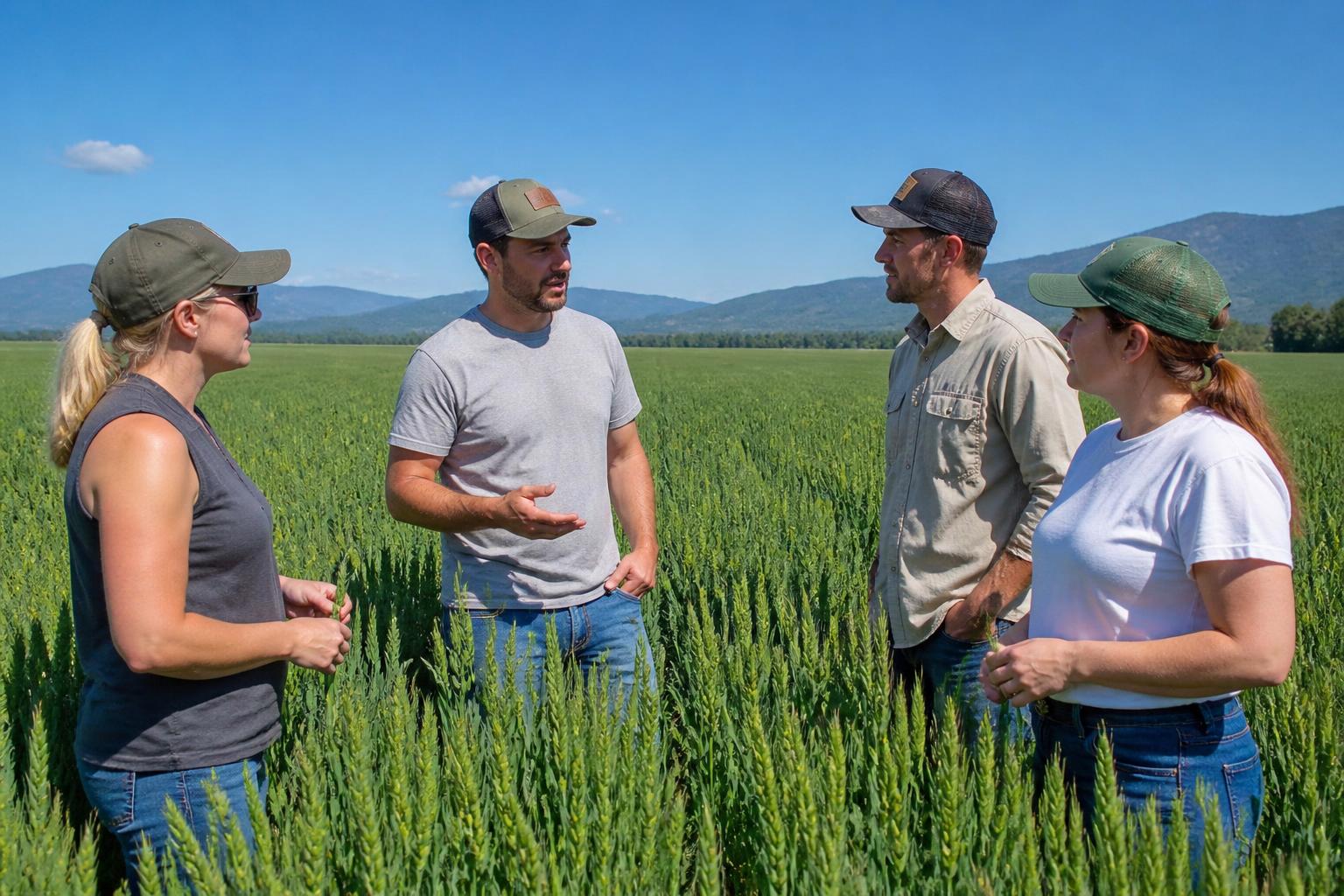
As June draws to a close, Montana agricultural producers are navigating a critical seasonal transition. Rising wheat prices, driven by concerns over poor regional crop conditions and impending insurance deadlines for spring-planted crops, have heightened the stakes for crop protection and yield preservation. Across key growing regions from the Golden Triangle to the western valleys, keeping fields clean and resilient is a top priority for agribusinesses trying to protect potential yields.
Under the intense summer sun, dryland spring wheat and barley can face severe competition from invasive weeds and emerging insect pests. Effectively managing these threats requires a balance of timing, chemistry, and environmental stewardship to ensure crops reach their full potential despite seasonal stress.
Managing Late-Season Weed Pressures and Stress
During the dry summer months, weeds can rapidly deplete critical soil moisture. Montana producers are actively balancing chemical applications with long-term environmental care. Utilizing targeted herbicides helps manage resistant weed species without adding unnecessary stress to crops that may already be suffering from dry summer weather. By integrating targeted weed control practices, growers can protect vital resources when they are needed most.
In addition, summer brings specific pests that require diligent scouting. Farmers near Great Falls and across central Montana are keeping a close eye on pest threshold levels before choosing to spray, ensuring that applications are both economically and ecologically sound. This focus on precision is crucial for improving on-farm stewardship during the warmer months.
Fertilizer Dynamics and Operational Planning
While chemical crop protection remains a primary focus, soil health and nutrient management are closely linked to overall plant health. Global nitrogen and urea supply shifts continue to influence local input markets. Montana growers must carefully plan their late-season nutrition strategies while managing logistic pathways for inputs to avoid costly delivery bottlenecks during critical application windows.
Community and Resilience in Western Montana
The future of crop management and regional policy was also a central theme at a recent gathering of young farmers and ranchers in Missoula. Industry participants discussed strategies to strengthen agricultural resilience, highlighting the importance of peer networking and peer-to-peer knowledge sharing to tackle modern challenges like climate volatility, market shifts, and evolving crop protection regulations.
Key Takeaways for Montana Producers
- Scout Diligently: Monitor dryland fields closely for late-germinating weeds to prevent moisture loss during hot summer days.
- Track Deadlines: Keep an eye on regional crop insurance deadlines for spring-planted acreage.
- Network Locally: Participate in local agricultural groups, such as those meeting in Missoula, to share pest management insights.
What It Means for the Market
The combination of rising wheat prices and challenging summer weather means that every bushel saved by timely crop protection directly impacts a farm's bottom line. Producers who implement precise, targeted spraying programs can minimize input waste while maximizing the quality of their harvest, positioning themselves well to capitalize on current market opportunities.
Comments
No comments yet - be the first to share your take.