
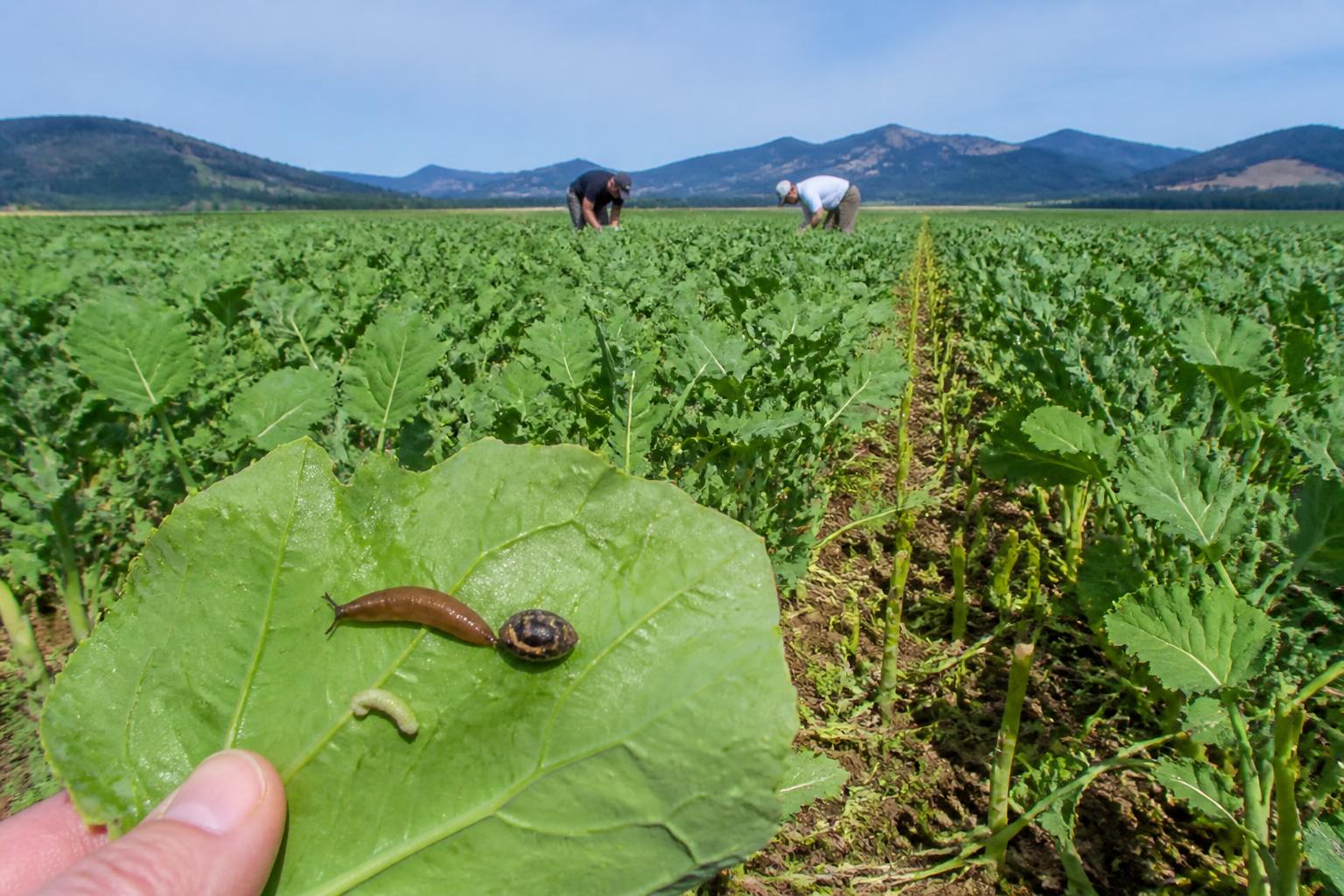
Oregon growers in the Willamette Valley and other wet production zones face persistent battles with invasive pests, particularly slugs and snails, alongside ongoing regulatory hurdles regarding specialty crops. As summer takes hold in late June, producers are looking for innovative pest management solutions to protect high-value seed crops, berries, and grains. At the same time, state policy deadlocks mean existing limits on certain crops, like canola, will remain in place, restricting planting flexibility.
For growers across the Pacific Northwest, balancing effective pest control with strict regional regulations requires a mix of cutting-edge biological research and traditional field management. With chemical options facing scrutiny and insect pressures evolving, the focus is shifting toward integrated pest management strategies that protect both yields and regional seed purity.
Biological and Creative Solutions for Slug Control
The humid conditions in parts of western Oregon create a hospitable breeding ground for destructive slugs and snails, which can devastate newly established seedlings and mature crops alike. Traditionally, growers have relied heavily on chemical baits, but researchers at Oregon State University are exploring biological alternatives. One promising avenue is a microscopic nematode, or worm, that naturally targets, infects, and liquefies slugs from the inside out. This biological control agent could offer organic and conventional growers a sustainable way to suppress slug populations without relying solely on synthetic chemicals.
In addition to microscopic allies, researchers have also looked into surprisingly simple, low-tech attractants. Recent studies indicate that fermenting bread dough acts as a highly effective lure for slugs and snails. By drawing pests to specific bait stations using bread dough, growers can more easily monitor and trap these damaging organisms, reducing widespread crop damage in sensitive fields.
Canola Production Limits Remain Intact Amid Legislative Deadlock
While pest management researchers focus on biological controls, state policy continues to shape what growers can put in the ground. Oregon lawmakers appear set to maintain current restrictions on canola production following a legislative deadlock. The debate over canola in Oregon, particularly in the Willamette Valley, centers on protecting the state's valuable specialty vegetable seed industry.
Because canola is a brassica, specialty seed growers worry that widespread canola cultivation could introduce pests, cross-pollination risks, and plant diseases that would threaten the purity of high-value cabbage, broccoli, and radish seed crops. With the legislature deadlocked, the existing limits on canola acreage will remain, forcing producers to look at other rotational crops to manage soil health and weed cycles. This regulatory environment makes exploring alternative agronomic strategies essential, as highlighted in recent discussions on Oregon crop adaptations and shifting market realities.
Key Takeaways for Oregon Growers
- Nematode Biocontrol: Oregon State University is researching a microscopic worm that liquefies slugs, presenting a biological alternative to chemical baits.
- Bread Dough Traps: Simple fermenting bread dough has emerged as an effective, low-cost attractant for monitoring and capturing invasive slugs and snails.
- Canola Restrictions Stand: Legislative gridlock ensures that strict limits on canola planting remain in place to protect specialty brassica seed crops from disease and cross-pollination.
What it means for the market
The continuation of canola limits means Oregon's specialty seed industry maintains its biosecurity shield, keeping seed purity high for international and domestic buyers. However, it also limits local grain and oilseed growers who seek canola as a profitable winter cash crop and rotation tool. For input buyers and crop protection specialists, the shift toward biological solutions like nematode applications and novel trapping methods reflects a broader industry trend toward integrated pest management. As summer harvest progress begins across the state, monitoring these biological trials and adapting to state-level planting restrictions will remain key to protecting crop yields and farm profitability.
Comments
No comments yet - be the first to share your take.