
Ongoing volatility in global shipping corridors is highlighting the vulnerability of the agricultural input supply chain. As growers across the United States face unpredictable pricing and logistical delays for essential nutrients, regional developments in the mountain west are drawing renewed interest. In particular, localized mining and mineral processing efforts are being positioned as critical buffers against international trade friction.
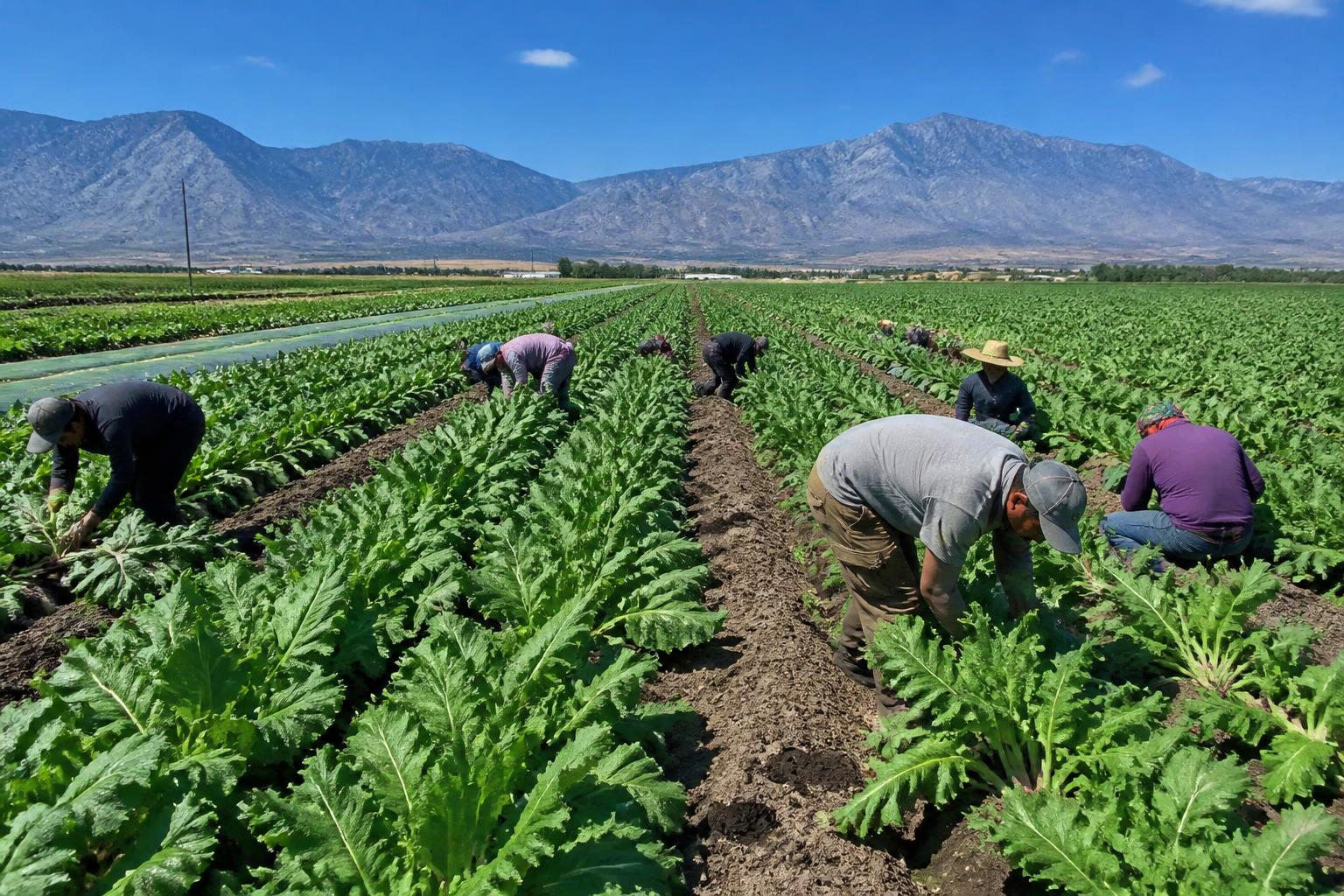
For Nevada producers, who operate in a demanding high-desert environment, securing reliable access to soil nutrients is a constant priority. Recent disruptions in primary maritime choke points have intensified the conversation around domestic fertilizer production, making local resource development a key focal point for regional agricultural security during the busy summer season.
Global Bottlenecks and the Threat to Fertilizer Supplies
Geopolitical tensions in key transit corridors, such as the Strait of Hormuz crisis, continue to pose severe risks to the global movement of energy and agricultural inputs. Because the international fertilizer market relies heavily on open and secure shipping lanes, any escalation in these regions can quickly trigger supply shortages and price spikes for nitrogen, potash, and phosphate fertilizers worldwide.
These overseas bottlenecks have forced agribusinesses and cooperative buyers to look closer to home. Relying on imports leaves domestic crop production exposed to sudden logistics shocks, motivating a broader strategic pivot toward North American mineral reserves.
The Domestic Alternative: Nevada's Phosphate Resource
In light of these international trade pressures, Nevada's organic phosphate developments are drawing significant attention from agricultural stakeholders looking to secure regional supply chains. Nevada Organic Phosphate has been actively targeting critical mineral opportunities within the U.S. agricultural sector, aiming to provide high-grade, domestic soil inputs that bypass unstable global shipping lanes.
By developing local deposits, these initiatives aim to provide Western farmers with a consistent supply of organic-compliant phosphate. This localized production model not only reduces freight costs but also shields regional agriculture from the sudden price swings associated with imported fertilizers.
Advocacy and Adaptation in High-Desert Agriculture
As market uncertainties persist, industry leaders emphasize the power of collective action and advocacy. Organizations are encouraging farmers to voice their concerns regarding supply chain vulnerabilities and the need for robust domestic manufacturing policies. Securing reliable access to local crop nutrients is seen as a cornerstone of long-term food security and farm profitability.
At the field level, Nevada growers are focusing on efficiency to optimize their seasonal budgets. As producers navigate these input challenges alongside evolving local regulations, adapting high-desert crop protection strategies becomes increasingly essential for maintaining healthy summer yields without over-applying costly inputs.
Key Takeaways for Agribusinesses
- Geopolitical Vulnerabilities: Choke points like the Strait of Hormuz underscore the continuous risks associated with importing primary fertilizer components.
- Domestic Opportunities: Nevada's regional mineral developments are emerging as vital targets for securing organic and conventional phosphate supplies.
- Strategic Management: Growers are urged to combine precise input application with active industry advocacy to build more resilient operations.
What it means for the market
The convergence of global logistical crises and domestic resource development suggests that localized input sourcing will transition from a niche preference to a core risk-management strategy. For Nevada agricultural operations and input distributors, supporting regional mineral projects represents a practical path toward stabilizing supply baselines. As shipping uncertainties linger through the summer, localized production of critical minerals like organic phosphate will likely play an increasingly dominant role in securing Western crop yields.
Comments
No comments yet - be the first to share your take.