
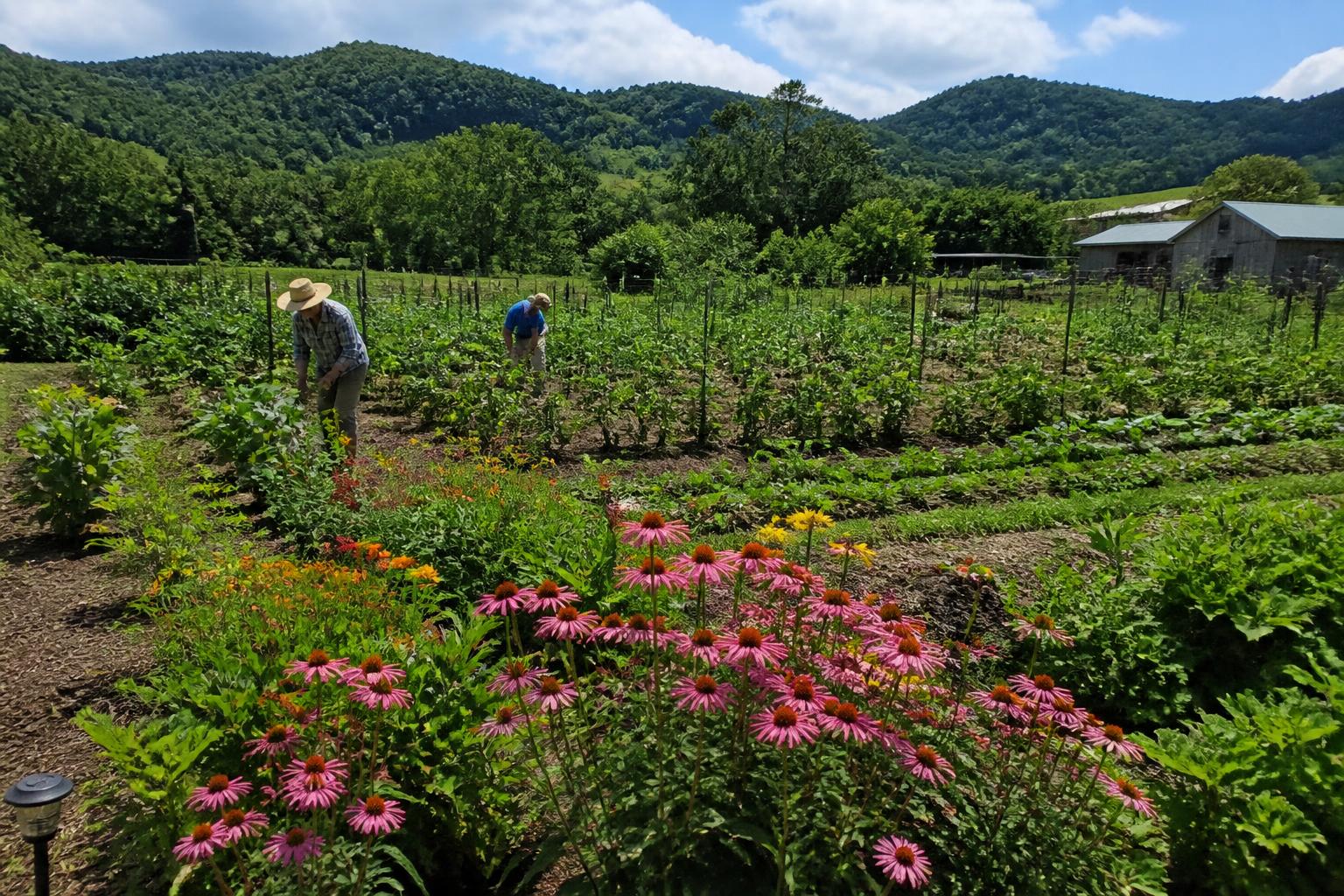
As summer heat intensifies across the Appalachian hills, West Virginia's agricultural sector is grappling with regional weather extremes and shifting demand. In areas like Jackson County, severe drought conditions have forced livestock producers to haul water and market their cattle earlier than usual. This localized crisis is reshaping the typical summer grain and feed flows across the state.
For grain handlers and feed distributors, navigating these dry conditions requires a close eye on local inventory. The lack of quality pasture has accelerated the need for supplemental nutrition, altering the projections previously outlined in the West Virginia summer grain and feed outlook as forage supplies tighten.
Drought Pressures and Shifting Feed Demand
The lack of consistent rainfall in western West Virginia has created a dual challenge for beef and dairy operations. With pastures drying up in Jackson County, many producers are choosing between buying expensive brought-in feed or reducing herd sizes. This early cattle liquidation temporarily spikes the demand for immediate high-energy feed mixes but threatens to lower overall regional feed consumption later in the year.
Meanwhile, the Eastern Panhandle and fertile areas near Shepherdstown and Harpers Ferry continue to balance commercial production with historic farmland preservation. While these areas benefit from different microclimates, the overall state-level grain balance remains highly dependent on external logistics and localized demand pockets.
Biosecurity and Poultry Sector Growth
In contrast to the challenges faced by beef producers in dry zones, parts of southern West Virginia are seeing targeted livestock and poultry expansions. Collaborative projects between West Virginia University Extension and local organizations in Wyoming County are actively expanding backyard and small-scale poultry initiatives. This slow but steady growth in local poultry production is creating decentralized feed demand across the southern coalfields.
However, transportation and biosecurity remain critical issues. Following the detection of the New World screwworm in the United States, state agricultural officials have implemented strict animal movement rules. These regulations, combined with difficult terrain, require transporters to plan carefully when navigating mountain logistics and poultry operations to avoid delays and maintain compliance.
Regulatory Stability and Marketing Options
On the policy front, West Virginia agriculture benefits from administrative continuity. Long-time Agriculture Commissioner Kent Leonhardt is seeking a third term, ensuring that state-level support programs and conservation initiatives remain predictable for local growers. At the federal level, engagement between regional EPA leadership and local farmers continues to focus on balancing environmental protections with practical farming needs.
For grain producers looking to lock in margins during these volatile summer months, finding direct-to-buyer channels is key. Local growers can utilize localized digital marketing platforms to sell grain in West Virginia directly to poultry integrators, livestock operations, and regional feed mills.
Key Takeaways for West Virginia Operators
- Jackson County drought: Water hauling and early herd liquidations are restructuring regional feed sales and grain demand.
- Strict biosecurity rules: New screwworm rules require livestock and feed haulers to verify movement documentation.
- Decentralized poultry growth: Projects in southern counties like Wyoming are driving small-scale, local feed demand.
What it means for the market
For West Virginia grain and feed suppliers, the summer of 2026 is a story of micro-markets. High feed demand in drought-affected western counties is offset by the logistical hurdles of moving feed over mountain routes under strict biosecurity guidelines. Sellers who can offer flexible delivery and reliable logistics to dry-zone livestock operations will likely capture a regional premium, while long-term planning must account for a potential reduction in cattle numbers heading into the fall.
Comments
No comments yet - be the first to share your take.