
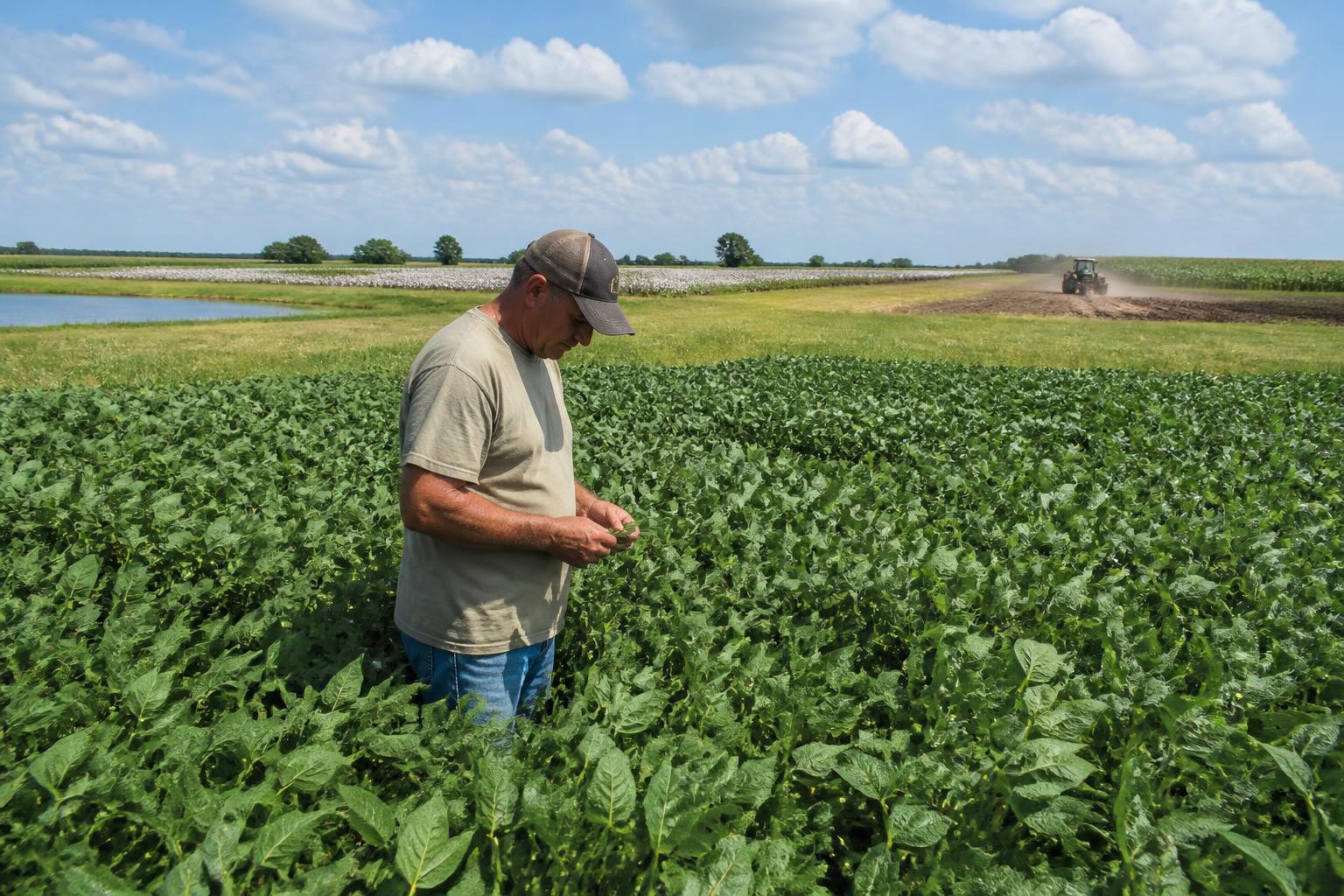
Louisiana's agricultural landscape is undergoing a profound structural shift as summer progresses. Once dominated by cotton, the state's fields have seen soybeans rise to become the top crop, reshaping the local grain marketing landscape. As growers navigate these long-term trends alongside shifting crop prices, local input dynamics and logistical changes at critical shipping hubs are influencing decisions across the state's parishes.
With summer heat building, producers are also evaluating local supply chains, especially with key crop protection manufacturing facilities back in play and new leadership taking charge of critical export hubs along the Mississippi River corridor.
The New King of Louisiana Fields
For decades, cotton was the undisputed king of Louisiana agriculture. However, recent data confirms that soybeans have officially dethroned cotton as the state's top crop. This transition reflects broader shifts in regional economics, crop management, and global market demand.
The shift toward soybeans is altering how local elevators and grain handlers manage storage space during the peak summer months. To capture the best returns on this dominant crop, many growers are closely monitoring regional shipping hubs and export opportunities. For producers looking to optimize their marketing strategies, keeping an eye on how Louisiana Gulf export bids behave during the summer shipping rush is critical.
Inputs and Logistics Stabilize
On the input side, Louisiana growers received some welcome news regarding local crop protection availability. Bayer's major glyphosate manufacturing plant in Louisiana has returned to active production, helping secure supply chains for essential summer weed control. Additionally, federal initiatives to boost domestic fertilizer production are providing some reassurance to growers facing volatile input costs.
Logistical leadership is also evolving along the river. The Port of South Louisiana, a crucial conduit for grain flowing down the Mississippi River, has welcomed Fisher-Cormier back as its executive director. Having stable and experienced leadership at this primary gateway is vital for maintaining the flow of Gulf-bound grain, particularly as global buyers eye U.S. export terminals for summer supplies.
Regional Challenges in Rice and Crawfish Country
While soybeans and corn dominate the upland acreage, Louisiana's unique coastal and southern parishes, particularly Acadiana, remain focused on rice and crawfish production. Acadiana's rice farmers, who are frequently recognized for their high-quality production, are currently facing challenges from invasive pests.
Specifically, apple snails have been increasingly impacting both rice crops and crawfish operations. These snails disrupt the delicate aquatic balance required for co-managed rice and crawfish systems, presenting a management headache for farmers who rely on these dual-income fields.
Key Takeaways for Louisiana Producers
- Soybeans Lead: Soybeans have officially surpassed cotton to become Louisiana's leading agricultural crop.
- Input Supply: Supply chains for crucial inputs are stabilizing, supported by Bayer's Louisiana glyphosate plant returning to production.
- Logistics Leadership: Leadership changes at the Port of South Louisiana under Fisher-Cormier are expected to shape export logistics going forward.
- Pest Pressures: Acadiana rice and crawfish growers are actively managing threat pressures from invasive apple snails.
What it means for the market
The transition to a soybean-dominated landscape in Louisiana means local logistics, storage, and export channels must permanently adapt to bulk oilseed handling. With the major glyphosate facility back online and export portals running under new direction, basis volatility may ease slightly, but regional growers must remain vigilant about pest impacts on specialty crops and shifting global export demand.
Comments
No comments yet - be the first to share your take.